
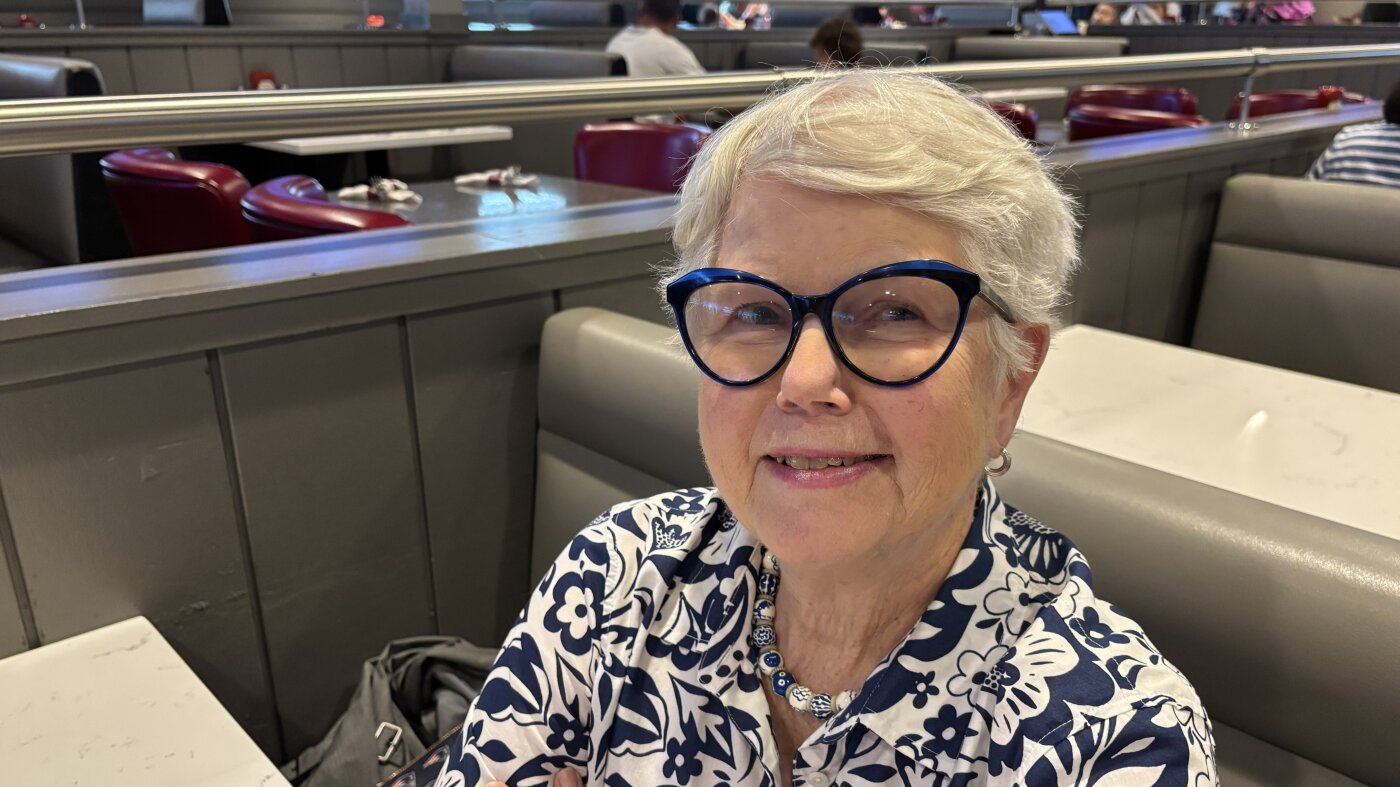
Connie Franciosi, 80, faced a tough diagnosis: melanoma. In 2020, she noticed a suspicious spot on her skin. At that point, doctors told her it was “a late diagnosis.” Melanoma can be tricky; if it isn’t caught early, it can spread. In the U.S., around 112,000 cases are diagnosed each year, leading to about 8,500 deaths.
After surgery to remove the cancer, Connie learned that her risk of recurrence was high. Fortunately, she was invited to join a clinical trial that tested a new mRNA vaccine along with an immunotherapy drug called Keytruda.
Dr. Janice Mehnert, a melanoma expert at NYU Langone Health, explained that the trial was unique. It used an mRNA approach similar to the one used for the Moderna COVID-19 vaccine. The study involved 157 patients from Australia and the U.S., all of whom had surgery to remove their tumors.
What’s exciting? After five years, nearly 69% of those who got the combination treatment were cancer-free. That’s a big leap compared to 49% who only received Keytruda. Additionally, 92% of the combined therapy group were alive after five years, compared to 71% in the Keytruda-only group.
Dr. Mehnert says, “This therapy significantly reduces the risk of dying from melanoma.”
Preventing recurrence is crucial because when melanoma comes back, it can resurface in hard-to-treat areas like the lungs or brain. Dr. Mehnert hopes that by using this immunotherapy early, patients will have better outcomes.
Dr. Sarah Arron, a dermatologist not involved in the study, called the findings a “landmark advance.” Unlike the COVID vaccine, which provides the same RNA fragment to everyone, this one is personalized. Each vaccine is tailored to the unique molecular fingerprints of the patient’s tumor.
The trial showed mild side effects, like chills or pain at the injection site, which is quite manageable. Dr. Arron emphasizes that it’s crucial to understand how this mRNA vaccine works since it could make a big difference in cancer treatment.
Researchers are exploring similar mRNA vaccines for other cancers, including lung cancer. Dr. David Berman from Moderna is enthusiastic about these results. A Phase 3 trial with nearly 1,000 patients is already underway, and they hope to get FDA approval soon.
For Connie, these developments are personal. “I am cancer-free,” she says. Her scans show no recurrence, and she feels grateful. Now, she spends her time tending her garden, visiting the library, and enjoying golf with friends. “I have a satisfying life,” she shares with a warm smile.
Source link
