
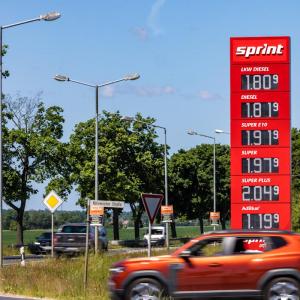
The Federal Reserve’s latest report shows that inflation rose in April, primarily due to increasing oil prices linked to the ongoing conflict in the Middle East. This uptick suggests that the central bank will hold steady on interest rates until there’s clear evidence that inflation is decreasing.
The Personal Consumption Expenditures (PCE) Index climbed by 3.8% in April, compared to 3.5% in March. When we look at core PCE—excluding volatile food and energy—it increased by 3.3%, slightly up from 3.2% in the previous month. This marks the highest level in about two and a half years.
Many Federal Reserve officials are expressing concern that inflation is not moving in a favorable direction. They worry that the balance between inflation and job market stability is shifting toward a stronger focus on rising prices. Most of them agree that for now, interest rates should remain steady. However, some are open to the possibility of rate hikes if inflation persists.
Federal Reserve Governor Lisa Cook shared her thoughts, indicating that she is monitoring the risk of businesses and workers adjusting prices and wages due to higher energy costs. She is ready to advocate for rate increases if inflation does not decrease soon.
Similarly, Governor Chris Waller expressed his concerns about the enduring impact of rising oil prices on inflation. His stance has evolved; he previously focused more on the job market but now sees inflation as a pressing issue. He, along with several other members of the Fed, is discussing changes in their policy statements to reflect that a rate hike or cut could be on the horizon.
Fed Vice Chair Philip Jefferson also weighs in, suggesting that inflation might decline later this year as the effects of tariffs and energy prices subside. Yet, he acknowledges that there are still risks that could push inflation higher and impact consumer spending.
In the bond market, the 2-year Treasury yield hovers around 4%, indicating that investors are anticipating higher inflation and possibly one rate hike this year.
Historically, the Federal Reserve’s responses to inflation have shaped economic landscapes. In the early 1980s, for instance, high inflation prompted aggressive rate hikes that had long-lasting effects on the economy. Today, as the Fed navigates these complex challenges, its decisions remain critical to economic stability.
As consumers, we might feel the effects of these financial shifts. People are talking about these issues on social media, with many sharing concerns about rising costs and their impact on daily life. Keeping an eye on inflation trends is crucial, as they influence not just the economy but also everyday expenses.
For more in-depth analysis on inflation and its future trends, check out resources from the Federal Reserve and other financial research organizations.
Source link
The Federal Reserve, oil prices, interest rates, energy prices, Chris Waller, Boston Fed, inflation outlook, Fed Governor, conflict in the Middle East
