
Cortina d’Ampezzo, a charming town in the Italian Alps, is gearing up for the 2026 Winter Olympics. A striking sculpture of a lady with a Dior handbag and skis stands in its main square. Its icy look is captivating, but a closer touch reveals it’s made from plastic. This reveals a deeper truth about the region: it’s undergoing significant changes.
Climate change is affecting snowfall. Ski lifts now run up mountains mostly bare of snow. Instead of a winter wonderland, the landscape often shows patches of brown grass and rocky terrain, pushing towns like Cortina to rely on artificial snow. Unfortunately, this artificial snow requires draining precious water from Alpine rivers, posing serious risks to the local ecosystem. In fact, an estimated 2.4 million cubic meters of water will be needed just for snowmaking during the Olympics, equivalent to 380 Olympic swimming pools.
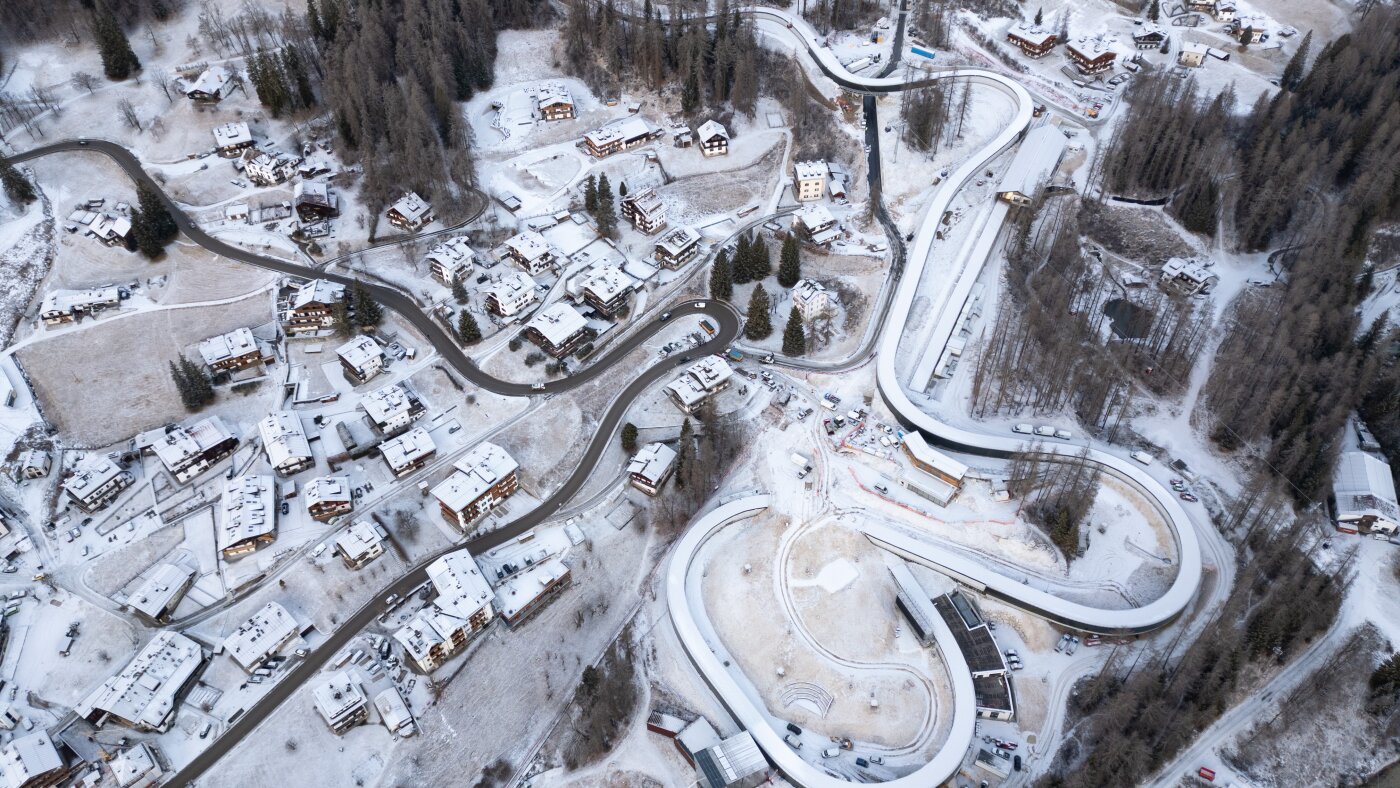
Originally, organizers projected that the Games would highlight eco-friendly practices. However, experts argue the reality is different. Critics like Fabio Tullio from Open Olympics 2026 emphasize that the development comes at a high environmental cost, including cutting down old-growth forests to make way for structures. Local activists report that over 60% of the 98 approved construction projects lack thorough environmental assessments.
Many local residents, like Roberta Zanna, a council opposition leader, express concerns about the development. She fears Cortina is losing its identity due to increased commercialization and the strain of over-tourism. Where once visitors arrived mainly by train, today’s infrastructure pushes for car parks and new roads, raising questions about sustainability.
In contrast, the 1956 Winter Olympics had minimal environmental impact. Athletes used natural ice lakes for competitions, and visitors primarily traveled by train. “We could think about growing the town,” Zanna recalls fondly. Now, she emphasizes, we need to rethink this rapid development. It’s not just about celebrating an event; it’s about preserving the unique beauty of the Dolomites.
Experts have noted that as temperatures continue to rise, the chance of optimal snowfall becomes less certain. Consequently, the reliance on artificial measures threatens not only the Olympic spirit but also the long-standing traditions of skiing and tourism that define this mountain town. This juxtaposition of past and present highlights the delicate balance between hosting a global event and protecting a cherished environment.
As the countdown to the Olympics begins, the community grapples with the implications of this transformation. The debate over whether to prioritize development or conservation is far from over. What will Cortina become after the celebrations? Only time will tell.
For additional insights on this topic, consider checking out reports from environmental organizations like the World Wildlife Fund (WWF), which advocate for sustainable practices in the face of escalating climate challenges.
