
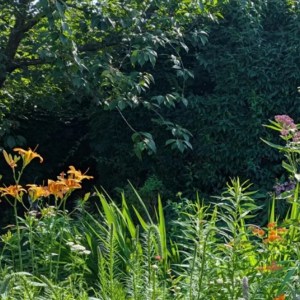
A New Jersey resident took a bold step by planting a pollinator garden on an empty lot near their rented home. Surprisingly, the homeowners association (HOA) approved it, as long as it remained tidy.
In a world where HOA rules often complicate eco-friendly gardening, this initiative stands out. Typically, these associations enforce strict guidelines—lawns must look manicured and uniform. Native gardens, which can be vibrant and welcoming to wildlife, often clash with these expectations.
This gardener’s dedication over three years shows the beauty and importance of native plants. Not only are they stunning, but they also thrive in their specific regions, requiring less water and fewer chemicals than traditional lawns. They support local wildlife, providing food and habitat for various species, including crucial pollinators like bees and butterflies.
Recent studies highlight the role of native plants in maintaining ecosystem balance. According to a report by the University of Delaware, native gardens can reduce the need for fertilizers and pesticides by up to 50%. This can significantly decrease chemical runoff into local waterways, benefiting both the environment and community health.
The online community has reacted positively. Commenters on platforms like Reddit expressed admiration, highlighting the rarity of HOA acceptance in such matters. One user even exclaimed, “Amazing the HOA is tolerating the garden!”
This story is part of a larger trend. Many people are pushing for greener practices in their communities, often sharing strategies on social media. User engagement around eco-friendly gardening is on the rise, reflecting a shift towards sustainability.
So, while planting a garden in an HOA-controlled area can be challenging, it is possible. This gardener’s success encourages others to explore creative solutions for a greener future.
For more insights on how to encourage wildlife in your garden, check out credible sources like the National Wildlife Federation.
Source link
pollinator garden, native garden, HOA, native gardens
