
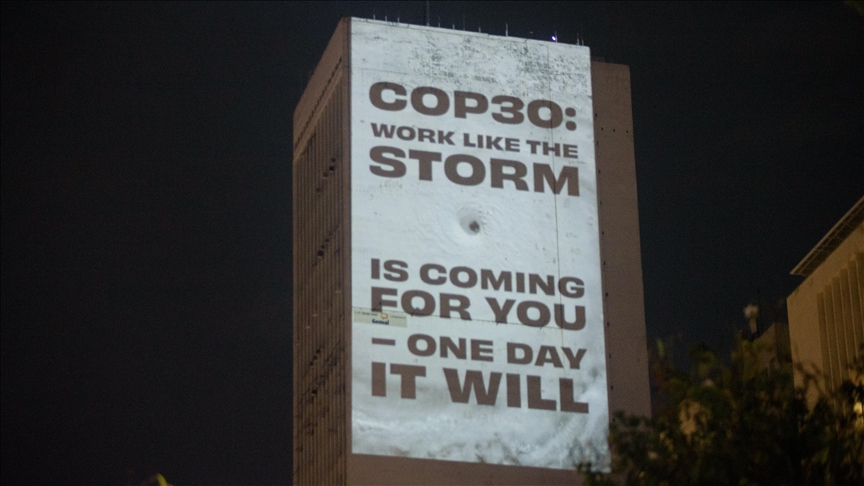
As Brazil prepares for the COP30 climate summit in Belem, there is a strong urgency to transform climate promises into real actions. This event runs from November 10 to 21 and takes place amid record heat waves and stagnating emission cuts. Experts stress the need for nations to step up and take concrete steps to address climate change.
Key Areas of Focus
At COP30, three major topics will be front and center: adaptation to climate impacts, new national climate plans, and climate finance for developing countries.
Adaptation: This involves finding effective ways to cope with climate-related issues like heatwaves and floods. Katherine Browne from the Stockholm Environment Institute emphasizes that adaptation and mitigation need to be treated as equally important.
National Climate Plans: Under the Paris Agreement, countries must submit their climate action plans every five years. Unfortunately, many are lagging. Only 64 countries, representing about 30% of global emissions, met this year’s deadline. Big players like the EU are still finalizing their contributions.
Climate Finance: Wealthy nations promised support for developing countries, but many experts believe these commitments will not be met. This could signal to poorer nations that their needs are not being prioritized.
Attendance and Geopolitical Context
Attendance at COP30 is looking less robust compared to previous years, with fewer than 60 world leaders expected. Notably absent are leaders from major polluters like the U.S., China, India, and Russia. Browne notes that this may reflect shifting priorities, with many nations focusing on national security over climate action.
Chris Aylett from Chatham House points out that climate issues remain tied to national interests. Countries are beginning to see the benefits of renewable energy in enhancing energy security.
The Impact of U.S. Policy Changes
The U.S. withdrawal from the Paris Agreement under President Trump has added complexity to climate discussions. Although a high-level U.S. delegation won’t attend, Aylett suggests that states and local leaders can still make a significant impact.
However, Browne warns that the absence of the world’s largest economy complicates the situation. Countries may feel less inclined to push ambitious climate goals without U.S. involvement.
Challenges in Phasing Out Fossil Fuels
As the anniversary of the Paris Agreement approaches, the struggle to phase out fossil fuels remains a contentious issue. Browne acknowledges that while plans are being developed, actual emissions continue to rise. This is a critical juncture: if countries can’t shift away from fossil fuel dependency, the 1.5°C goal could slip further out of reach.
Focus on Vulnerable Nations
For small island nations and some of the world’s poorest countries, success at COP30 hinges on tangible results in adaptation and finance. These countries have long felt overlooked in climate discussions, demanding greater focus on their unique challenges.
A breakthrough in the Global Goal on Adaptation could make a significant difference. It would guide efforts to enhance resilience in the face of climate threats. Hosting the summit in the Amazon is a strategic choice, drawing attention to both the importance of this vital ecosystem and ongoing deforestation rates.
Overall, COP30 represents a critical moment in the global effort to tackle climate change. With the right commitments and actions, it could steer the world toward a more sustainable future.
Source link
Amazon,Brazil,COP30,Paris Agreement,UN climate conference,Anadolu Ajansı
