
Kyiv Attacked Again: A Look at Recent Events
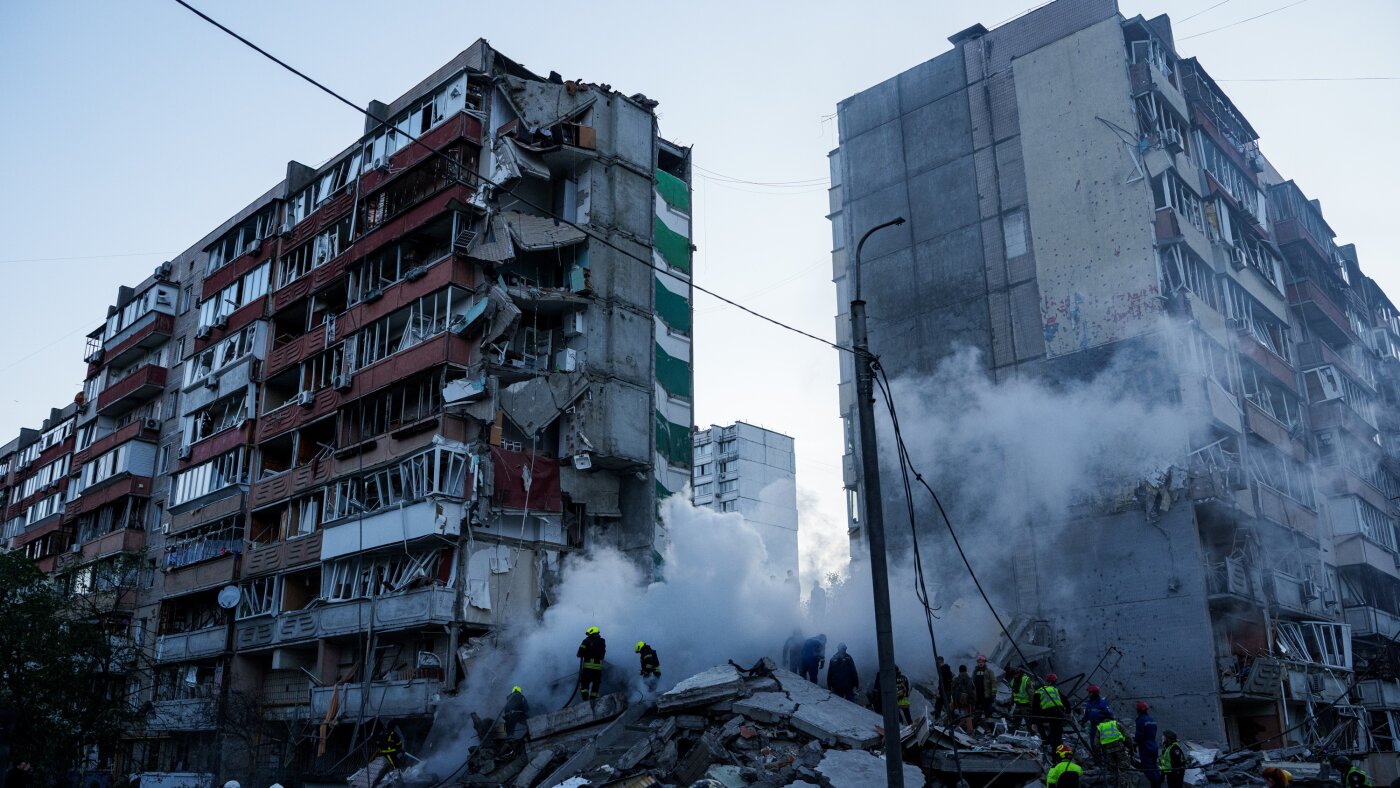
Early on Thursday, Ukraine’s capital, Kyiv, faced a severe attack. Reports indicate at least one person died, and 31 others were injured when drones and missiles targeted civilian areas. This latest strike mainly affected residential buildings and essential infrastructure, making it one of the most devastating assaults in recent times.
According to Ukrainian Prime Minister Yuliia Svyrydenko, Kyviv saw the worst impact, with damage noted across six districts. Kyiv’s Military Administration head, Tymur Tkachenko, confirmed that both ballistic missiles and drones were involved. The attack didn’t stop at Kyiv; cities like Kremenchuk, Bila Tserkva, Kharkiv, Sumy, and Odesa were also hit.
In the Darnytsia district, a residential building partially collapsed. Rescue workers pulled at least 27 people from the debris, but the situation remains dire. Mayor Vitali Klitschko reported that 18 apartments were destroyed and residents faced water supply issues in certain areas.
Eyewitness accounts paint a harrowing picture. For instance, 78-year-old resident Lyudmila Hlushko described the moment the attack occurred: “I heard explosions and my house shook violently.”
Recent statistics show a marked increase in such attacks. A survey from the Ukrainian Emergency Service reported that compared to last month, attacks had risen by 40%. This ongoing violence underscores the severity of the conflict affecting countless lives.
Historically, this escalation reflects a troubling pattern. The recent drone attack on Wednesday, which resulted in six fatalities, involved around 800 drones. This marks one of the longest assaults during the war, highlighting an alarming shift in tactics.
Ukrainian President Volodymyr Zelenskyy commented on the motivations behind such brutal attacks, suggesting they are aimed to inflict maximum suffering. Interestingly, just before this series of attacks, U.S. President Donald Trump indicated optimism about potential peace talks between Moscow and Kyiv. However, no clear agreements have emerged, as both leaders maintain rigid demands.
As the international community watches, the question remains: What will it take to halt this cycle of violence? It seems urgency is needed more than ever to find a resolution.
