
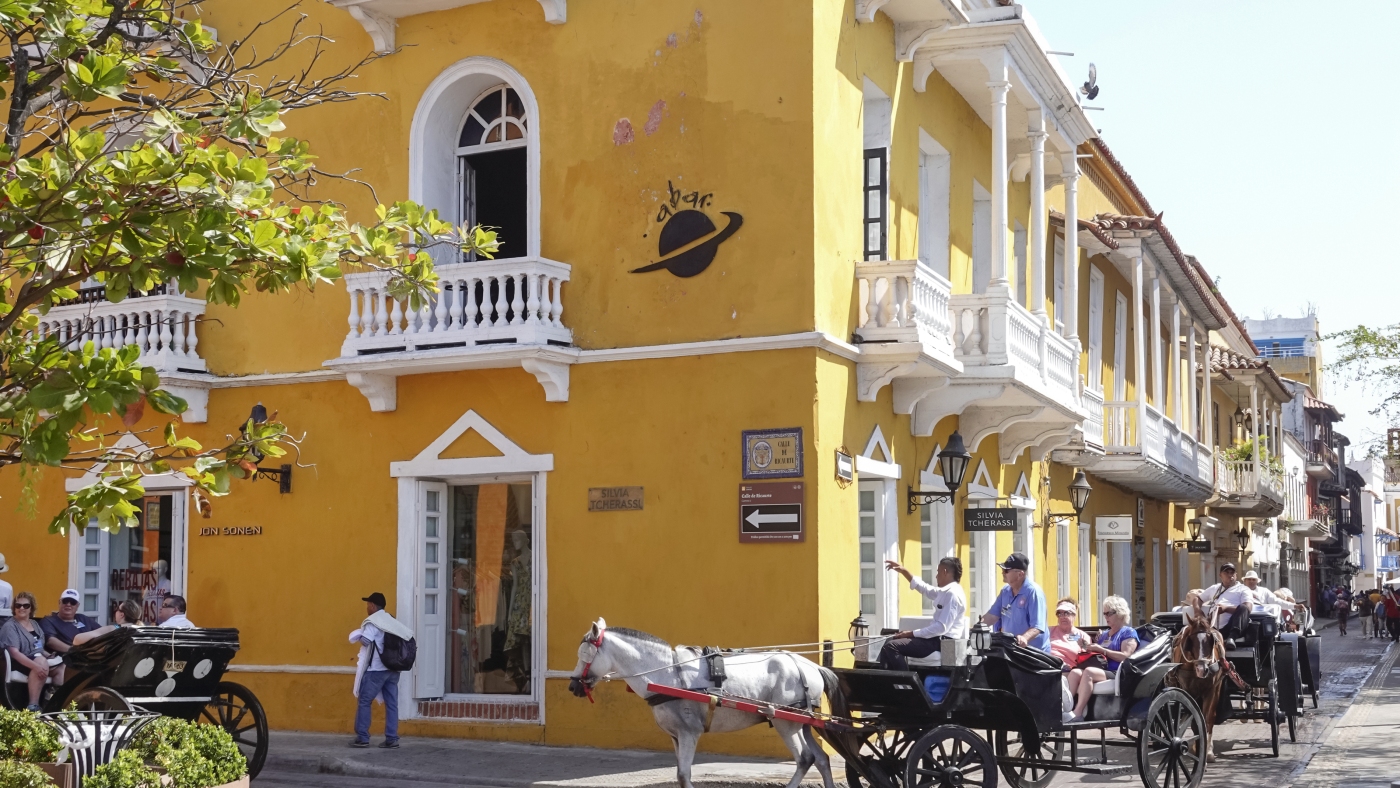
Cartagena’s Cart Controversy: From Horsepower to Electric Power
Cartagena, Colombia, is a gem on the Caribbean coast. Its historic center, with its vibrant plazas and colonial buildings, draws many tourists. One of the city’s charms has been the horse-drawn buggies, offering visitors a unique way to explore its cobblestone streets.
However, this tradition is coming to an end. Local authorities plan to ban these horse carts by December 29 and replace them with electric vehicles. The decision is part of an effort to protect animal welfare in the bustling city.
For many, this change is bittersweet. Horse cart drivers, like Cristian Munoz, feel it’s an attack on their heritage. “We are part of this city’s history, just like the walls that surround it,” he says.
Tourists enjoy riding in these buggies, finding them a fun way to learn about the city. But animal rights activists argue that the horses face stress from traffic and injuries from hard surfaces. Fanny Pachon, an activist, has witnessed horses collapse from exhaustion. “Horses aren’t meant to be in the city,” she states.
This issue has gained traction on social media, with influencers and local residents debating the pros and cons. Comedian Alejandro Riaño has pushed for the electric replacement for years, even raising over $25,000 to create a prototype. “We have the technology to change things,” he affirms.
The new electric carriages will resemble the old buggies but have modern features like a steering wheel and battery-powered engines. They can travel up to 70 km on a single charge and are set to be powered by solar energy, aligning with global sustainability trends.
While many celebrate this transition, horse cart owners feel neglected. They’ve built their businesses over decades and express concerns about inadequate compensation. Some claim they’ve received vague offers, while the mayor insists they’ll share profits from the new electric rides.
As Cartagena steps into a new era, it raises essential questions about tradition, modernity, and animal rights. Cart drivers worry that tourists will miss the authentic experience. “Without the horses, it’s not the same,” Munoz reflects.
This situation echoes a historical pattern seen in other cities transitioning from horse-drawn transport. A notable example is Central Park in New York City, where a similar shift led to the introduction of electric carriages amid heated discussions about the well-being of animals.
How cities balance these changes while respecting heritage will often determine the success of such transitions. As Cartagena navigates this change, the world watches closely.
For more insights into urban development and animal welfare, check out the American Society for the Prevention of Cruelty to Animals (ASPCA).
