
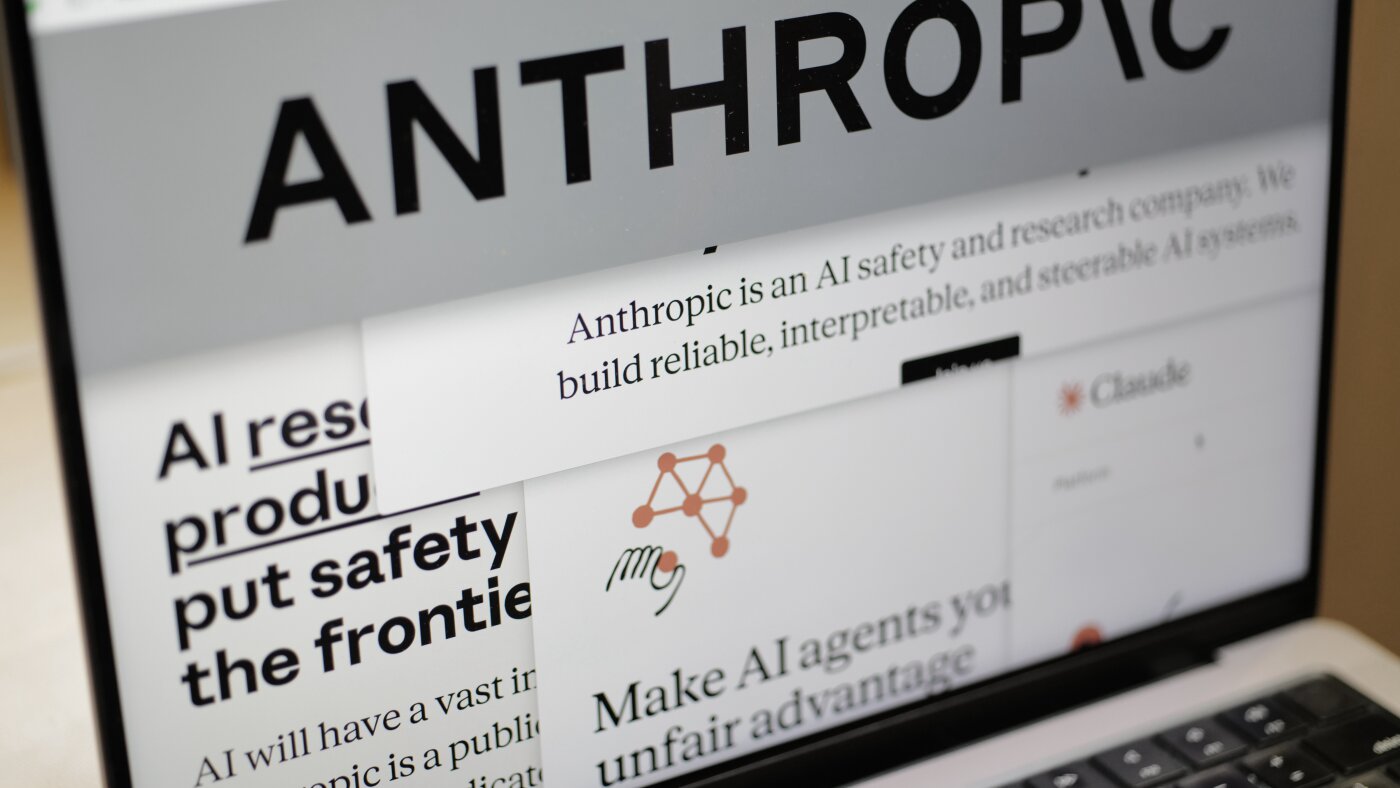
A federal judge in San Francisco recently expressed concerns that the government’s ban on Anthropic might be more punitive than protective. This came during a hearing about Anthropic’s legal action against the Pentagon, which has classified the company as a “supply chain risk.” This label effectively blacklists Anthropic, impacting its ability to work with government contractors.
Judge Rita F. Lin mentioned it seemed like a punishment for the company speaking out about its AI model, Claude, and how it should not be used for military actions or surveillance. She said she expected to rule soon on whether to temporarily lift the ban while the case is being considered.
Anthropic’s CEO, Dario Amodei, announced earlier that the AI model would not be used for autonomous weapons. This decision led to President Trump ordering all U.S. agencies to stop using Anthropic’s products. The Pentagon’s designation of the company raises serious national security concerns, usually reserved for foreign entities, which the Pentagon believes might jeopardize U.S. interests.
In the lawsuits, Anthropic argues that this classification is illegal retaliation against the company for advocating for AI safety. They believe it will harm their business, as Pentagon contractors cannot engage with them under this designation.
Interestingly, this kind of action against a U.S. company is a first. Critics argue that the government is overstepping its boundaries. Judge Lin questioned whether it was lawful to halt Anthropic’s operations and restrict dealings with Pentagon contractors. She emphasized that national security issues could have been addressed without entirely banning Anthropic.
The government countered by stating its precautions are necessary, given potential future risks associated with Anthropic’s technology updates. Many are watching this case closely, as its outcome could influence how the government and private companies collaborate on AI applications.
In a recent survey, over 70% of AI experts expressed concerns about government overreach in technology regulation, highlighting a growing tension between innovation and security.
This situation is particularly important as it illustrates the complexities of managing advanced technologies like AI within a framework of national security. As the debate continues, the balance between safety and freedom of speech in tech firms will remain a hot topic among policymakers and tech leaders alike.
Source link
