
North Korea’s Firm Stance on Nuclear Power
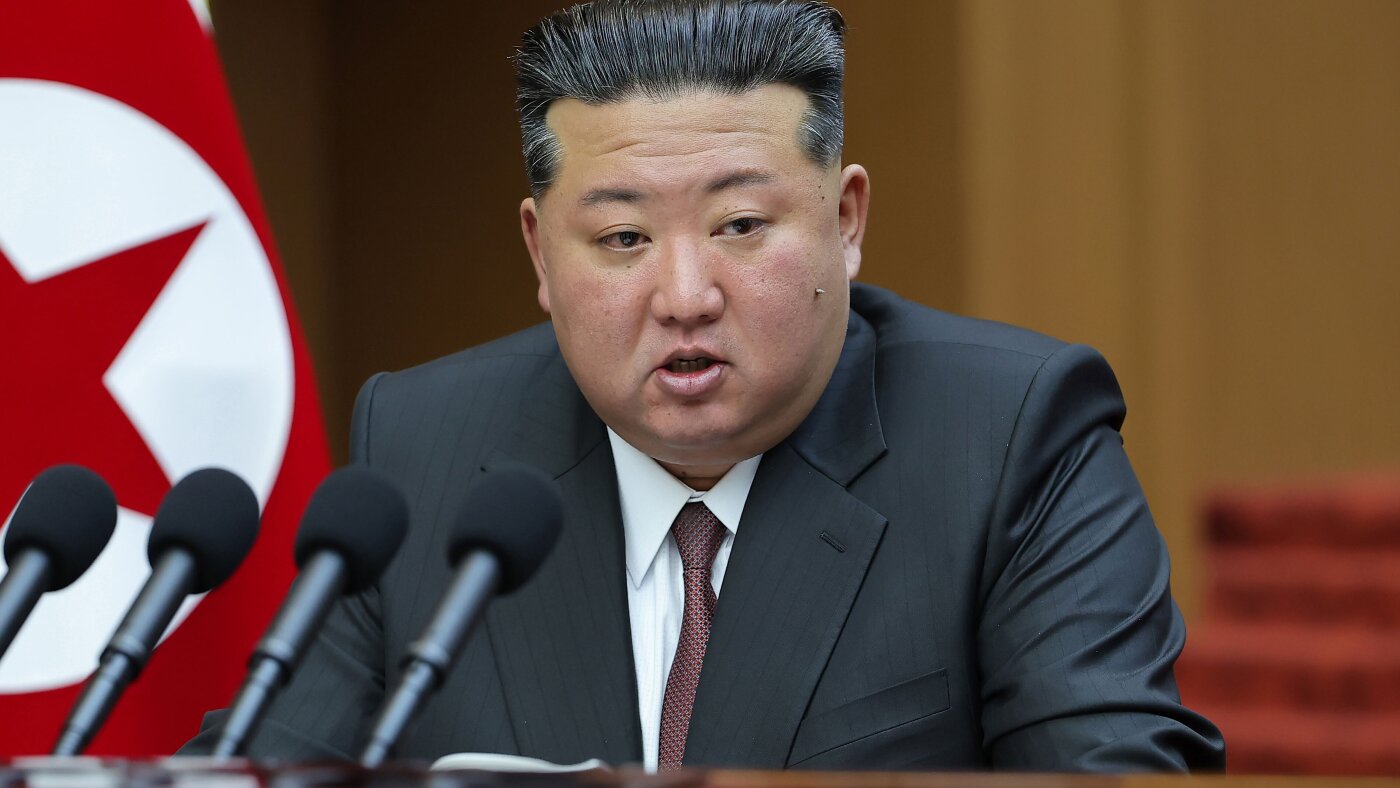
North Korean leader Kim Jong Un has reiterated his commitment to ensuring that his country remains a nuclear power. In a recent speech to North Korea’s legislative body, he labeled South Korea as the “most hostile” state. This statement underscores a significant hardening of Kim’s position, particularly towards Seoul.
In his address, Kim criticized the United States for what he termed “state terrorism and aggression,” drawing attention to the ongoing war in the Middle East. While he didn’t name President Donald Trump, he emphasized that North Korea is ready to respond to either confrontation or peace, depending on how its adversaries choose to act.
Historically, Kim’s rhetoric toward South Korea has shifted. Where he once pursued dialogue—evidenced by his meetings with Trump in 2018 and 2019—he now views Seoul as an obstacle rather than a mediator. Analysts suggest that this change reflects his desire for a more assertive role in the region. There are fears that he is trying to cut South Korea off from its cultural influence, intensifying his control over North Korean society.
Following a recent session of the Supreme People’s Assembly, the North Korean government announced revisions to its constitution. While details remain unclear, it is rumored that these changes will classify South Korea as a permanent foe, moving further away from any notion of peaceful reunification. This marks a stark pivot from Kim’s earlier ambitions.
Kim takes pride in North Korea’s nuclear capabilities, claiming that the expansion of their arsenal was the right strategy against perceived threats. He declared, “The dignity of the nation can only be guaranteed by the strongest of power.” This reflects a broader trend where nations emphasize military strength in international relations.
The fallout from Kim’s statements continues to develop amidst international scrutiny. A survey from a recent report indicated that 75% of South Koreans are increasingly skeptical about dialogue with North Korea, fearing that Kim’s aggressive postures will lead to conflict rather than peace.
Moreover, recent expert opinions highlight that Kim’s relationship with Russia is becoming more vital. Reports indicate he has been sending military supplies to Russia in exchange for aid, which further complicates the geopolitical landscape. As tensions rise in the region, Kim may find it necessary to adopt a more flexible approach towards the U.S. to secure future dialogue and relief from sanctions.
In addition, the recent attacks by the U.S. and Israel on Iran have raised the stakes for Kim. Some believe that these events could influence his calculations regarding nuclear negotiations with Washington.
As Kim Jong Un continues to solidify his position, the implications stretch far beyond North Korea. This ongoing situation deserves close attention, as it could shape the dynamics of regional and global security for years to come.
For detailed updates and insights on North Korea, you can follow reputable sources like the BBC or the Council on Foreign Relations.
