
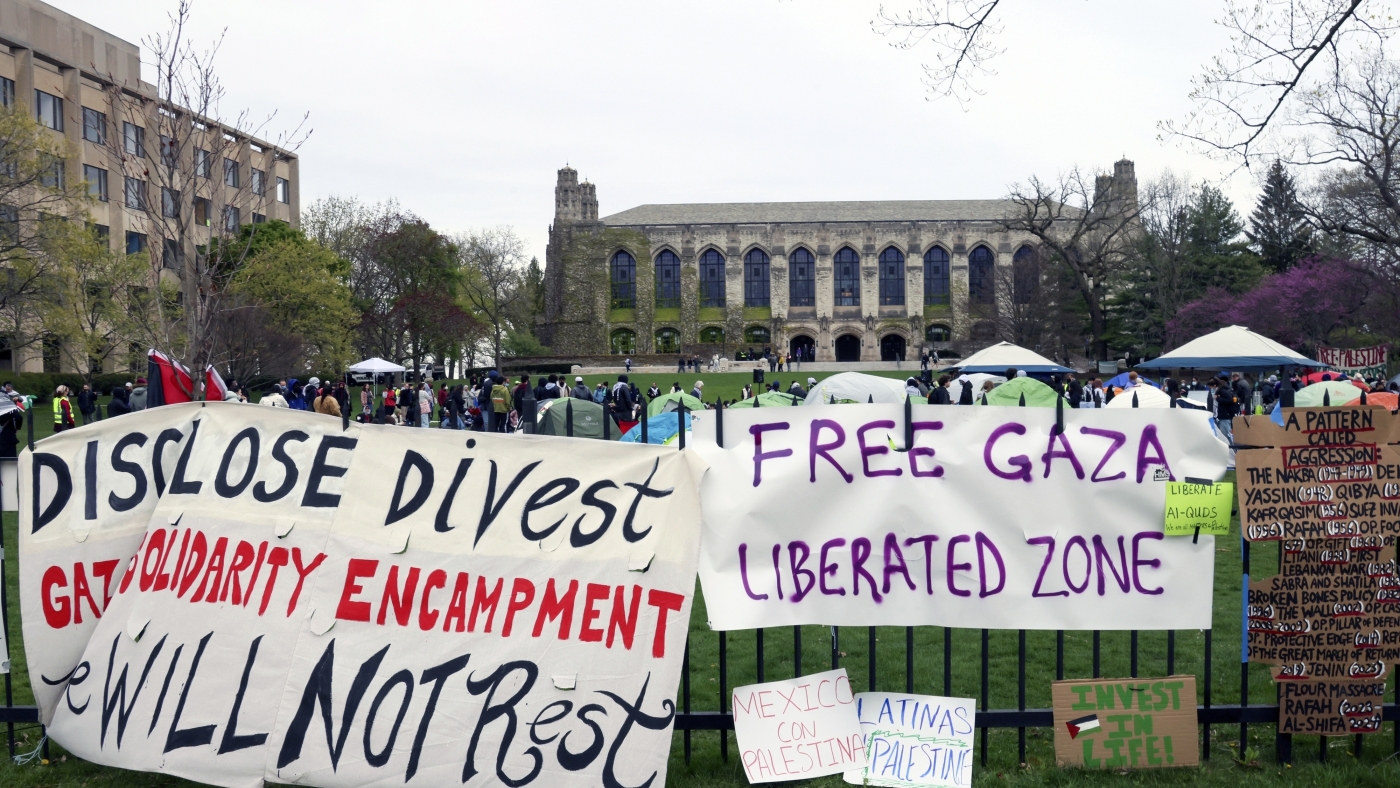
Northwestern University has reached a significant settlement with the Trump administration, agreeing to pay $75 million to resolve a discrimination investigation. This deal will also restore federal funding that had been withheld during the investigation, according to the Justice Department.
Attorney General Pam Bondi hailed the agreement as a win for Jewish students. She emphasized that universities that accept federal funds must adhere to civil rights laws. “We are grateful to Northwestern for negotiating this historic deal,” she said.
This settlement follows a broader campaign by the Trump administration against what it sees as “woke” policies at universities. Northwestern was one of 60 schools accused by the Education Department of failing to protect Jewish students’ rights, particularly during protests related to the Gaza conflict.
Earlier this year, the White House froze about $790 million in federal funds to Northwestern while it investigated these claims. University interim President Henry Bienen stated that the settlement was not an admission of guilt, but a practical decision given the high costs and risks of litigation.
Interestingly, just this month, Cornell University reached a $60 million agreement to unfreeze $250 million in federal funding also related to civil rights issues. Both institutions have said these settlements won’t compromise their core values.
Under the new agreement with Northwestern, the university will make the $75 million payment by 2028. It also commits to implementing policies around demonstrations and antisemitism training for students and staff to ensure compliance with federal laws.
Education Secretary Linda McMahon called this a significant achievement for higher education, noting the policy changes would help protect students from harassment and discrimination.
The agreement has sparked discussions on social media, with many praising the move as a much-needed step towards accountability in educational institutions. However, critics argue that such agreements could lead universities to prioritize compliance over academic freedom.
Bienen reassured community members that Northwestern will maintain its academic independence, emphasizing, “Put simply, Northwestern runs Northwestern.”
Overall, this situation reflects a growing tension between government oversight and educational autonomy. As these narratives develop, it will be interesting to see how other institutions respond and what impact these settlements will have on campus policies nationwide.
Source link
