
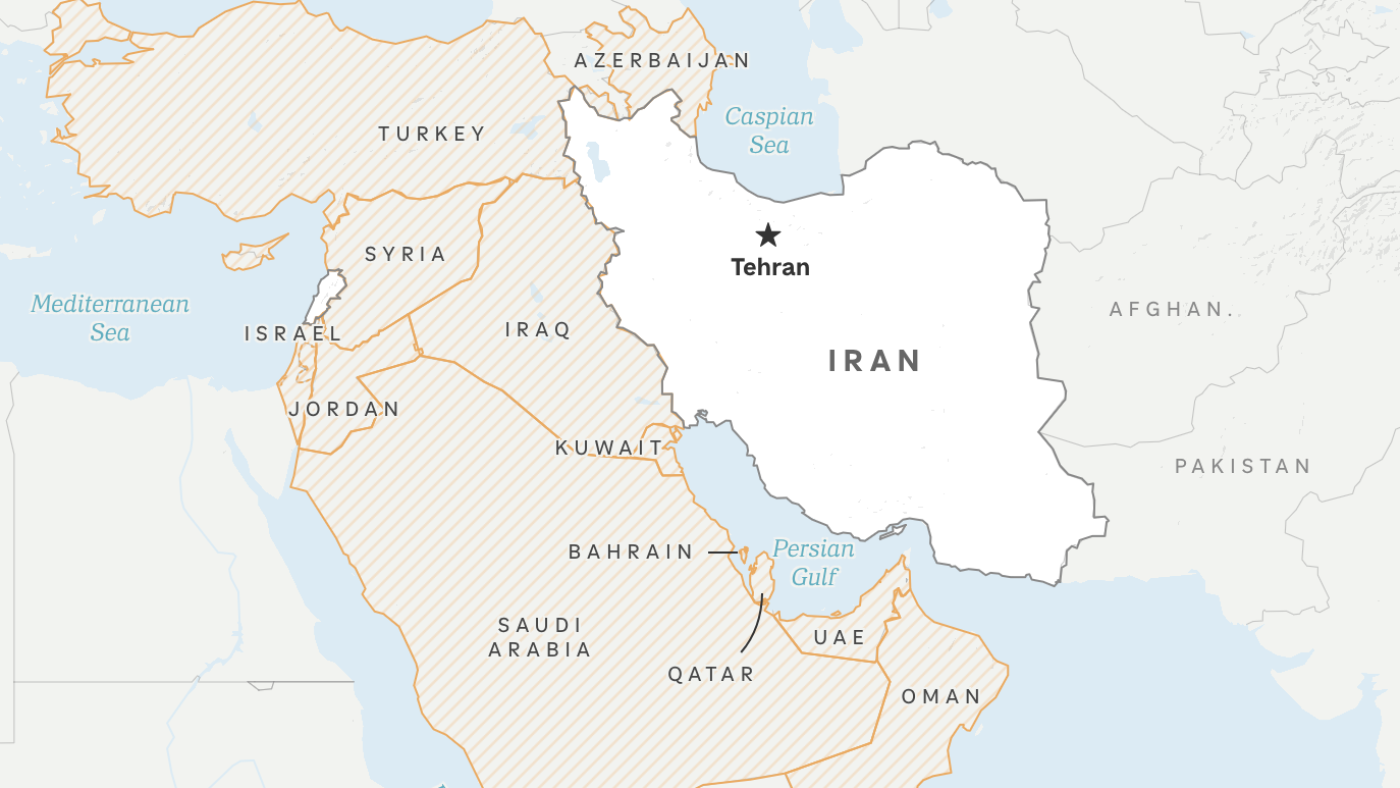
What started as coordinated strikes by the U.S. and Israel on Iran last Saturday has escalated into a broader conflict. This clash has ripple effects felt far and wide, impacting not just the Middle East but economies and security around the globe.
The Iranian Red Crescent Society reports that over 1,300 people in Iran have died due to the fighting. U.S. and Israeli attacks reportedly killed Iran’s Supreme Leader Ayatollah Ali Khamenei and many top officials. Military experts indicate that, with the Iranian navy and air force severely weakened, control of Iranian airspace is expected to shift entirely to the U.S. and Israel.
President Trump has made it clear that negotiations with Iran won’t happen unless the nation surrenders unconditionally. His recent social media comments hinted at expanded U.S. military targets, raising concerns about the continuation of hostilities and possible involvement of more countries.
Countries in the Crossfire
After the initial strikes, Iran retaliated by targeting U.S. bases and Israel, leading to civilian casualties and significant damage to infrastructure. Six U.S. soldiers lost their lives in a strike in Kuwait, and at least ten Israelis have been reported dead.
A significant development occurred when Iranian drones hit Azerbaijan, a former Soviet republic that had sought to remain neutral. Azerbaijan’s President Ilham Aliyev condemned these attacks, signaling a potential shift in regional alliances.
Meanwhile, Turkish air defenses shot down an Iranian missile aimed at their territory, and many Iranians are now fleeing to Turkey to escape the violence.
In Lebanon, Hezbollah has ramped up attacks on Israel. Israeli forces, responding aggressively, have inflicted considerable damage in southern Lebanon, where at least 123 people have died since this conflict began. The Lebanese government is distancing itself from Hezbollah, aiming to rein in the group’s military actions.
Global Diplomatic Tensions
This conflict is also a litmus test for allies of both the U.S. and Iran. European nations, initially cautious, are now enhancing military readiness in the region to protect their interests. Countries like France, Italy, and the U.K. have reassessed their positions amid fears of further escalation.
China’s involvement has also increased, as it seeks to manage the situation diplomatically. Given its status as the world’s largest importer of oil, China is particularly concerned about how the conflict may disrupt energy supplies.
Economic Impacts
The ongoing violence is creating tremors in global markets. Oil exports through the Strait of Hormuz—which carries about 20% of the world’s oil—are at risk. Iran announced the closure of this crucial waterway, prompting Iraq to cut production. Saudi Arabia has also been affected, with significant refinery operations suspended due to the conflict.
As a result, oil prices soared to over $90 per barrel last week, the highest in over a month. This spike is already affecting U.S. consumers, pushing gasoline prices to an average of $3.32 per gallon.
The conflict has real implications for countries dependent on oil imports. For instance, India, a significant buyer of Middle Eastern crude, is now navigating a more complicated energy landscape. The U.S. Treasury has even issued waivers for Indian refineries to buy Russian oil, previously under sanctions, to mitigate these pressures.
This situation is fluid and complex, with historical ties and geopolitical stakes deepening the challenges. As events unfold, keeping an eye on the economic and humanitarian implications will be crucial.
