
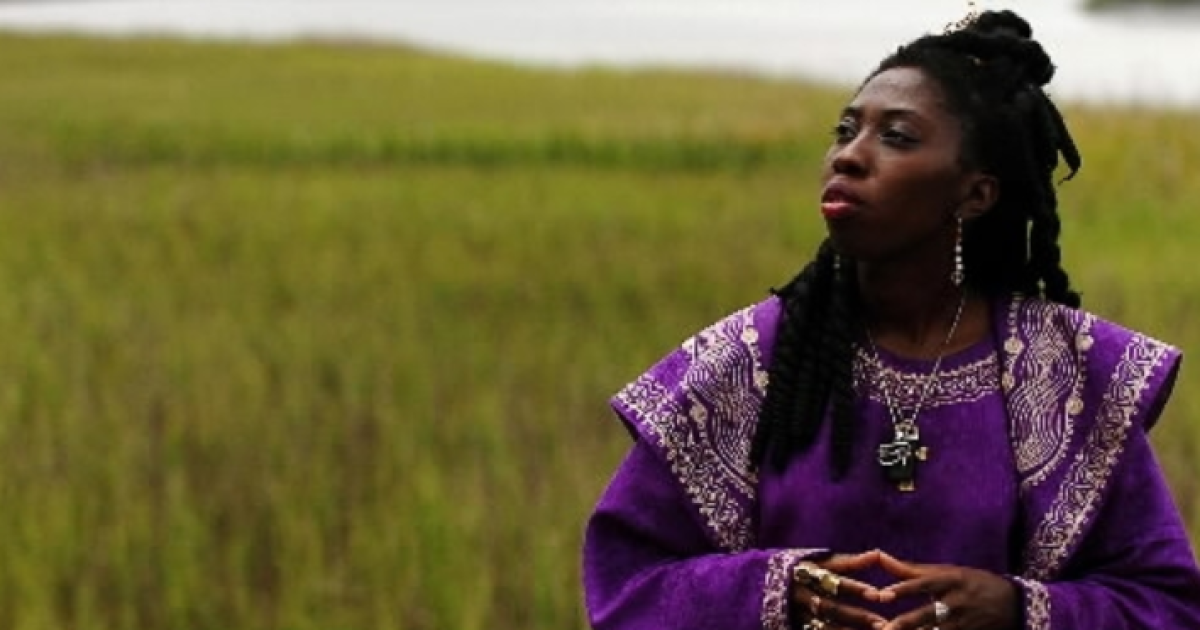
In the Sea Islands, climate change is not a far-off concern; it’s a daily struggle. Rising sea levels and more severe storms are reshaping the landscape, and local communities are feeling the impact. Marquetta “Queen Quet” Goodwine is a pivotal figure in this fight. She is the first elected chieftess of the Gullah/Geechee Nation, the descendants of enslaved people who have called these islands home for generations. Queen Quet recently spoke with WFAE’s Ely Portillo about these pressing issues.
Ely Portillo: What are the effects of climate change that you’re noticing on the Sea Islands?
Queen Quet: We say, “The water brought us, and the water will take us back.” The water is rising and causing frequent flooding. On historic St. Helena Island, we’ve been warning about these changes for years, but many people didn’t fully grasp the urgency. Now, I tell them, “I live on the front line of climate change.” Every sunny day, we still face flooding. Cotton used to thrive here; now, it’s all about the tides. For those who question climate change, I tell them, it’s already here.
Portillo: How does climate change manifest in your environment?
Queen Quet: The air feels different. It has a new smell, especially when storms approach. Instead of the usual pluff mud scent, we detect something rotten and toxic. This change threatens our seafood industry. Each season, there are fewer crabs on our plates because shellfish struggle to survive in acidifying oceans.
Portillo: What do you say to those in cities like Charlotte, who view climate change as a distant issue?
Queen Quet: I help them see the parallels. Urban areas like Jacksonville and Charleston are also facing severe flooding and extreme heat. The heat wave days of 100 degrees are becoming normal for everyone, not just us on the coast. This common experience can create a connection. We need to talk about retrofitting cities with more green spaces and better building systems. Whether you’re here or inland, we’re all part of this global crisis. It’s vital to work together.
Recent data highlights that climate change isn’t just a coastal issue. A study from the National Oceanic and Atmospheric Administration (NOAA) shows that urban flooding has increased by 55% in the last 30 years across various U.S. cities. This trend is expected to worsen as climate change accelerates. Whether in urban or coastal areas, awareness and proactive measures are critical. The steps we take today will shape our tomorrow.
The Gullah/Geechee community, with its rich cultural heritage, embodies resilience. But unless we listen and act collectively, places like the Sea Islands, and the cultures within them, risk disappearing. We must see climate change as a shared challenge demanding immediate attention and action.
For further reading on the impact of climate change, you can check out NOAA’s latest reports [here](https://www.noaa.gov). This resource sheds light on ongoing trends and forecasted changes affecting our planet.
