
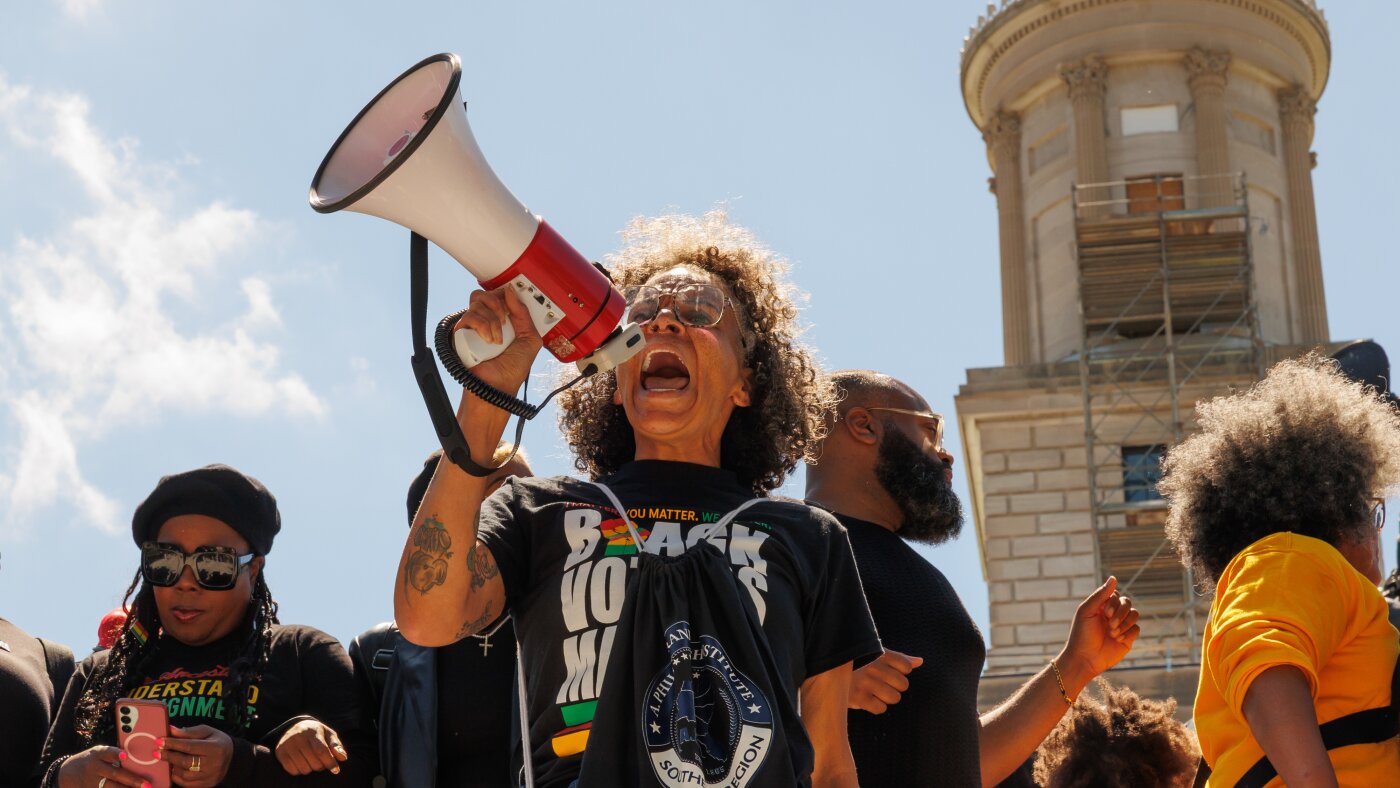
Redistricting in Memphis: A Divided Landscape
Memphis has a rich history shaped by its roads, especially Poplar Avenue. This thoroughfare has long linked diverse communities in Shelby County, but recent political changes have turned it into a dividing line. Following a push by Tennessee Republicans to redraw the congressional map, many residents now find themselves split across three districts. This shift could favor Republican candidates.
After a Supreme Court ruling that weakened parts of the Voting Rights Act, Tennessee has moved swiftly to change its electoral maps. This has raised concerns about the fairness of these alterations, especially among Democrats and voting rights activists. Data shows that Black voters tend to support Democrats, making the new divisions contentious.
Republican leaders assert that the new districts reflect Tennessee’s population better than previous maps, which they argue concentrated too many Black voters into one district. Jason Gilliam, Maury County GOP Chair, stated that the lines drawn should not segregate voters by race but rather create districts that encompass varied constituents.
Democrats, however, have filed lawsuits claiming that this redistricting is a strategic move to minimize Black representation. Ragan Grossman, chair of the Williamson County Democratic Party, criticized the new map. She argued that it effectively dilutes the political power of Black voters, insisting that racial considerations cannot be ignored in discussions about representation.
As Memphis residents navigate these changes, many feel disillusioned. Pastor J. Lawrence Turner expressed concerns that splitting the districts could lead to voter apathy. With neighborhoods divided, he fears people may feel their votes carry less weight. Turner advocates for increased civic engagement, highlighting that voting is a hard-won right.
Under the new map, Memphis’s majority Black community will struggle to maintain its influence across three districts. This raises questions about how effectively these representatives can serve the distinct needs of such diverse populations, spanning urban, suburban, and rural areas.
While some Republicans, like State Senator Brent Taylor, advocate for the new boundaries as a means to better represent Tennessee’s values, critics view it differently. Many argue that these changes reflect a systemic effort to undermine the voting power of marginalized communities, sparking heated debates among residents.
A significant point of contention is the impact of money in politics. Some locals worry that campaign funding will shift focus toward wealthier constituents, sidelining the needs of less affluent communities in Memphis. The economic realities facing residents are often stark, making the fight for political representation all the more urgent.
Looking ahead, many anticipate that despite the challenges posed by these new districts, voter registration and turnout, especially among Black voters, may rise as a response to perceived injustices. The redistricting efforts have galvanized local activists and could lead to increased civic participation in upcoming elections.
As the candidate filing deadline approaches, political tensions in Memphis are palpable. Court challenges against the new redistricting are expected to unfold, making this a pivotal moment in the city’s political landscape.
For more on the implications of redistricting and voting rights, you can refer to the Voting Rights Project and learn about ongoing efforts to protect electoral integrity.
