
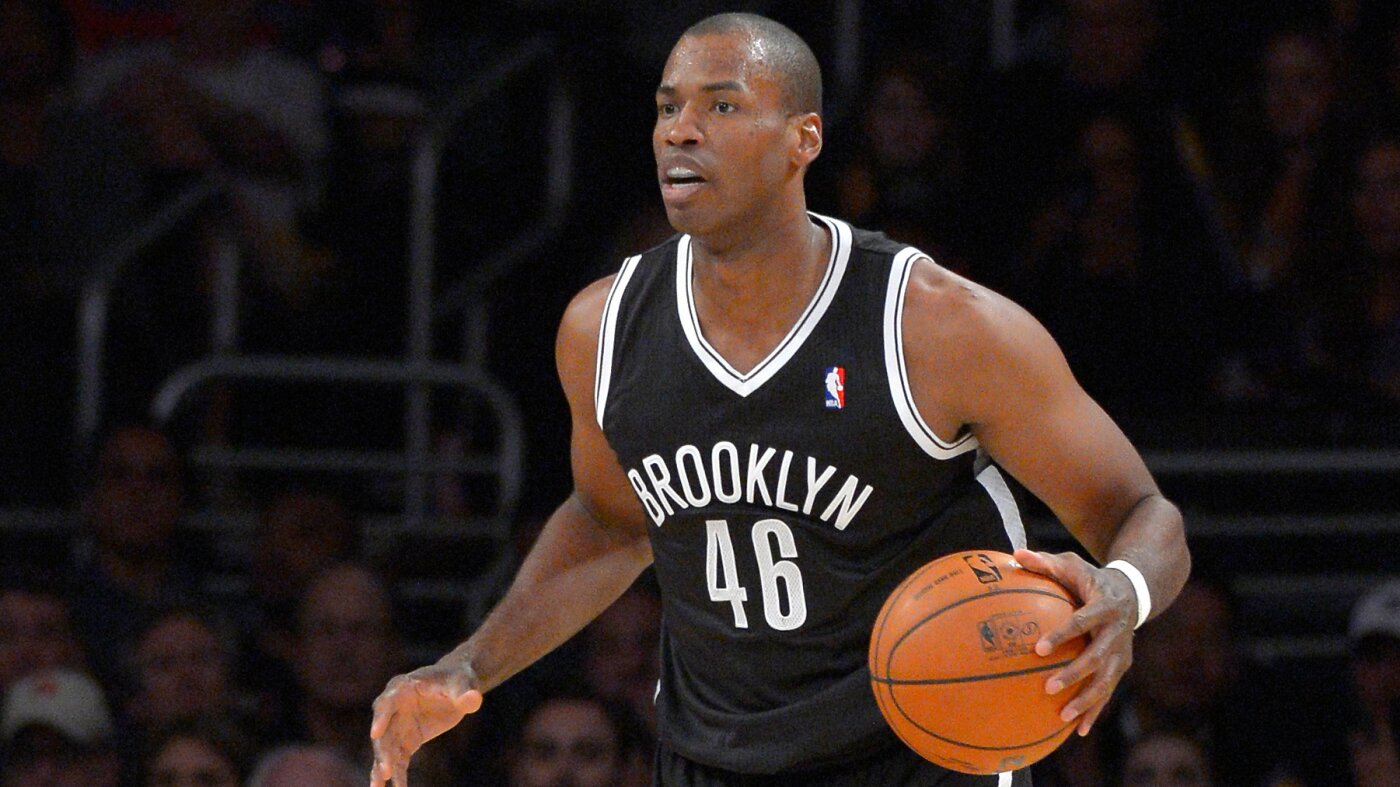
Jason Collins, the first openly gay player in the NBA, has passed away at the age of 47 after battling a fierce brain tumor known as Stage 4 glioblastoma. His family shared the news, expressing gratitude for the love and support they received during his illness.
Collins played 13 seasons in the NBA with six different teams. He bravely came out as gay in 2013, making history and becoming a role model for many. His journey inspired countless individuals, both inside and outside the sports community.
During his career, Collins averaged 3.6 points and 3.7 rebounds per game. He notably helped the New Jersey Nets reach two NBA Finals. In what was arguably his best season, he averaged 6.4 points and 6.1 rebounds during the 2004-05 season.
The impact of Collins extends beyond the basketball court. NBA Commissioner Adam Silver highlighted his contributions to making the league and sports culture more inclusive. “Jason’s influence was substantial,” Silver said. “He exemplified leadership and professionalism throughout his career.” This sentiment echoed throughout social media, where fans and fellow athletes shared tributes and memories of Collins’ courage and kindness.
Before his diagnosis, Collins received the inaugural Bill Walton Global Champion Award, however, he was too ill to attend the ceremony. His twin brother, Jarron Collins, accepted the award on his behalf, calling Jason “the bravest, strongest man I’ve ever known.”
Collins’ story is significant, especially in the context of LGBTQ rights in sports. When he came out, there was a wave of support from high-profile figures, including President Bill Clinton, who acknowledged Collins’ courage. His action opened doors for future athletes to be open about their identities, aligning with broader societal shifts toward acceptance.
Moreover, statistics reveal an increasing acceptance of LGBTQ individuals in sports. A 2022 survey by the Human Rights Campaign found that 73% of LGBTQ youth feel safer in sports compared to a decade ago. This change reflects the strides made since Collins came out, thanks in large part to pioneers like him.
Collins’ legacy will endure not just through his athletic achievements but also through his commitment to advocacy. He worked as an ambassador for NBA Cares, promoting inclusion and community service initiatives.
As we remember Jason Collins, we celebrate a life that profoundly impacted basketball and the lives of many. His story reminds us of the importance of authenticity and the positive change that can occur when we embrace who we are.
