
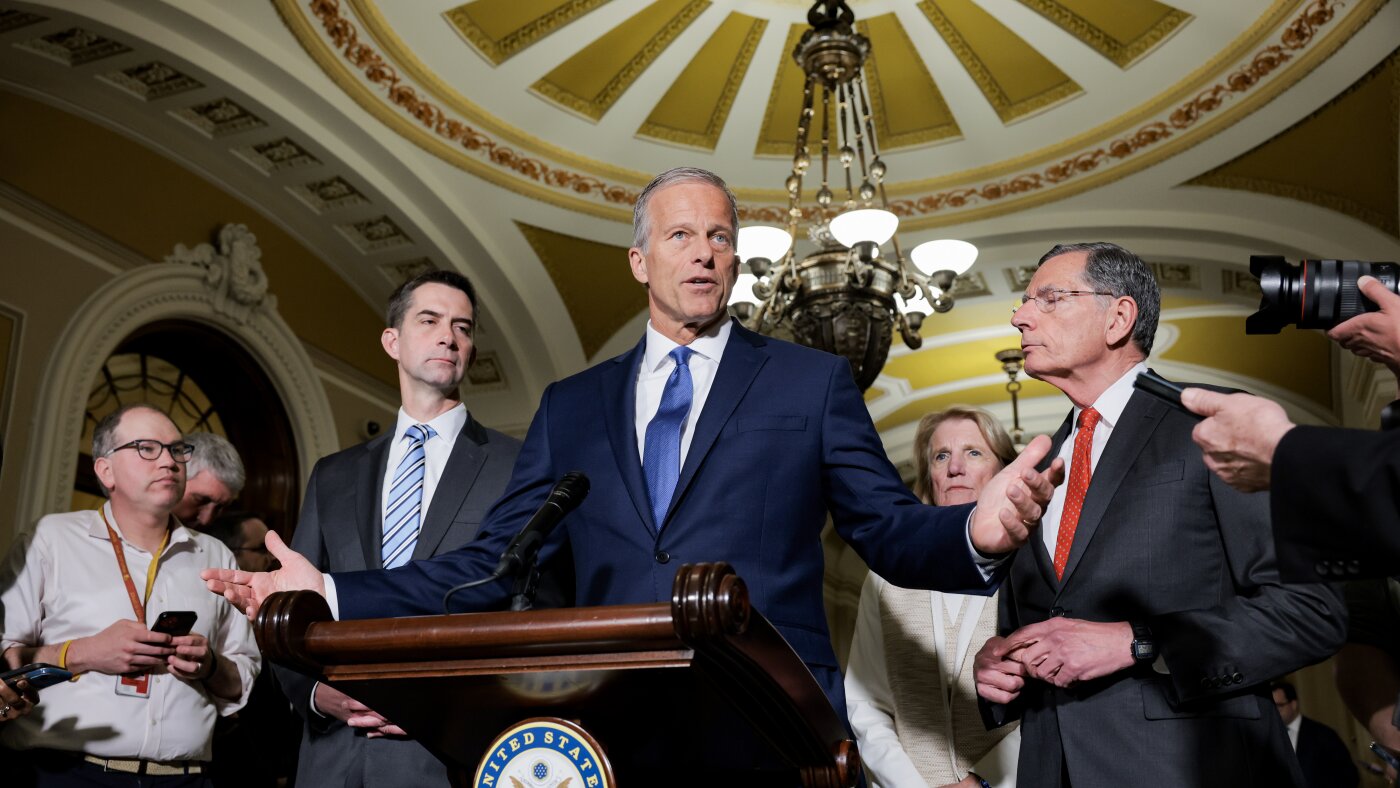
Congress is heading out for a weeklong break without agreeing on a Republican immigration funding bill. This has caused some friction within the party, especially regarding a proposed fund for those claiming political persecution. The Trump Administration’s push to use taxpayer dollars for this fund has raised eyebrows among many Senate Republicans.
Senate Majority Leader John Thune expressed concern, highlighting that many members fear the implications of such a fund. Trump has made immigration a top priority and wants additional funding by June 1. However, the controversial “Anti-Weaponization” fund he proposed could delay this.
The underlying tension between Trump and some Congressional Republicans is palpable. Recently, Trump has backed challenges against veteran Republicans, raising worries about the party’s prospects in the upcoming midterms. In a social media post, he emphasized that those who don’t align with him may find themselves out of office sooner than expected.
Senator Lisa Murkowski voiced her own concerns, suggesting Trump might not see the need to collaborate with Congress, stressing the importance of legislative processes that require cooperation.
In recent days, Trump publicly objected to leaving out his priorities from the immigration enforcement bill, including funding for the White House ballroom. However, the Senate Parliamentarian ruled that the ballroom funding couldn’t be included, further frustrating Trump.
Several Republicans are now voicing reservations about the “Anti-Weaponization” fund. Senator Bill Cassidy, recently defeated in a primary, pointed out that many Americans are more concerned about everyday expenses than about funding a political initiative with little accountability. This sentiment reflects a broader frustration among Senators about the current direction of the party.
Interestingly, this situation highlights a shift among some Congressional Republicans. Previously hesitant to oppose Trump directly, some lawmakers may now feel emboldened to speak out, particularly those who have already lost their primaries. Cassidy, for example, remains a voting member until January, which means he still wields influence in upcoming decisions.
As the midterms approach, the Republican caucus’s mood worsened with recent endorsements by Trump, leading to concerns about potential losses in key races. Speaker of the House Mike Johnson expressed the need for party unity, urging members not to pursue individual agendas that counteract the collective goal.
The dynamic within the Republican party continues to evolve. As lawmakers navigate their relationship with Trump, the tension between maintaining loyalty and addressing constituents’ needs becomes more pronounced. This could significantly affect the party’s strategy leading into the midterm elections.
For a deeper understanding of the political climate, you can check out this report from NPR on party dynamics and upcoming plans: [NPR Political Report](https://www.npr.org).
