
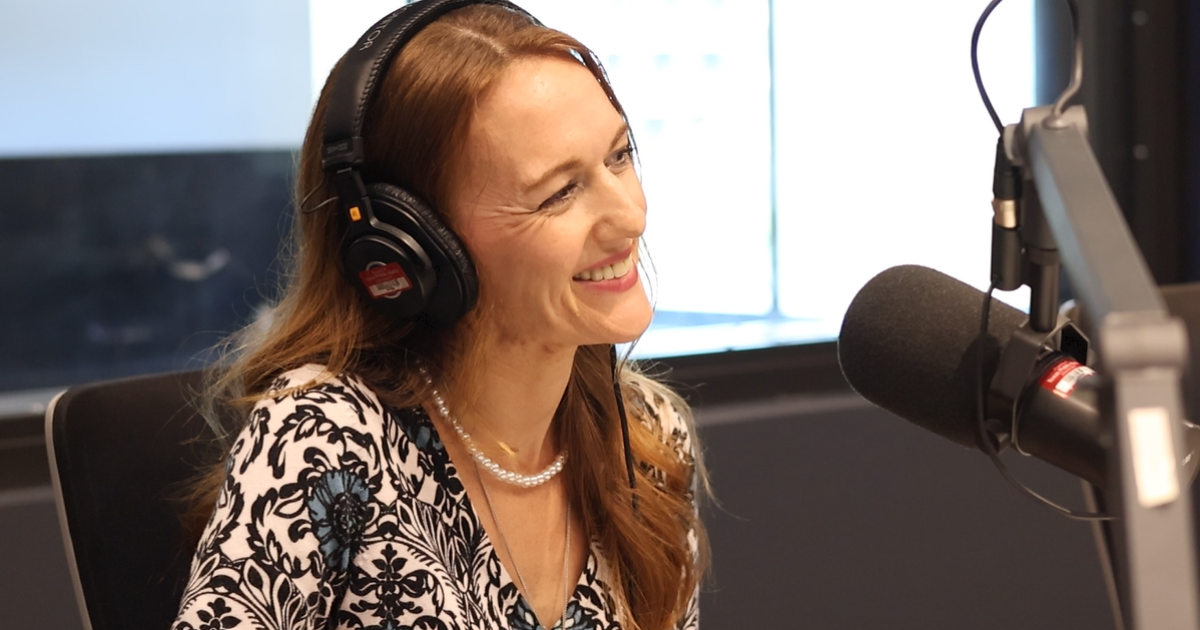
In South Central Texas, a Democratic primary runoff is stirring up a lot of debates. Maureen Galindo, who leads in the March primary for Texas’ 35th Congressional District, has caused a stir with her comments on Israel and Zionism. She secured 29.2% of the votes, while Johnny Garcia, a sheriff’s deputy, followed closely with 27.0%.
The local Tejano Democrats placed their support behind Galindo, partly due to Garcia’s strong backing of Immigration and Customs Enforcement (ICE). “Garcia supports ICE 100 percent,” said Emilio Peña, a member of the Tejano Democrats.
However, it’s Galindo’s comments about Israeli influence in politics that have drawn negative attention. Many Democratic leaders have labeled her remarks as antisemitic, a claim she refutes. In a recent interview, she stated, “Israeli Zionists” are shaping local politics and claimed that ICE trains with the Israel Defense Forces.
Political science expert Jon Taylor from UT San Antonio noted that her rhetoric could attract younger voters frustrated with U.S. support for Israel. “Her comments go beyond criticism and push the boundaries of antisemitism,” he explained, drawing a comparison to extremist views.
Galindo remains firm in her stance, saying, “I am against Zionist Jews,” and even suggested turning an ICE detention facility into a “prison for American Zionists.” This has sparked significant backlash, yet she continues to receive backing from organizations like Lead Left PAC, which presents her as a progressive candidate.
Amid all this, some in the community are curious about Lead Left PAC’s funding, fearing its support may serve Republican interests. Galindo claims she has no connection to the PAC and believes their support is genuine.
The winner of this runoff will face off against either John Lujan or Carlos de la Cruz in the Republican contest. Currently, the 35th Congressional District is held by Democrat Greg Casar, who is running for reelection in a different, safer district after recent redistricting shifted the political landscape.
With changing demographics and shifting party strengths, the race remains uncertain. Recent surveys show that voters are increasingly concerned about political rhetoric and its impact on community unity. As the election date approaches, many are watching closely to see how this volatile race unfolds.
