
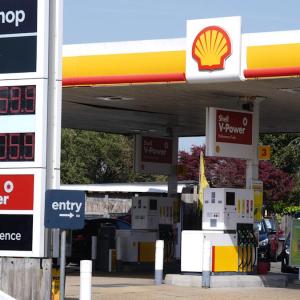
Shell is facing backlash over its huge profits, attributing them to rising oil prices influenced by the ongoing conflict in the Middle East. Recently, the company announced earnings of $6.92 billion, a significant rise from the previous quarter and up 24% from last year. Analysts had anticipated lower profits, around $6.36 billion.
Critics are outraged, pointing out that these profits come at a time when everyday families are grappling with soaring fuel prices and a rising cost of living. Simon Francis from the End Fuel Poverty Coalition highlighted the disconnect: energy companies’ profits are inflating while households endure financial strain. He noted that while Shell and other oil giants are opposing windfall taxes, they continue to rake in massive earnings.
The rise in oil prices is linked to increased tensions that have disrupted production in the region. For instance, Brent crude hit $126 a barrel recently, the highest in four years, before tapering off slightly. This volatility has benefited trading operations within Shell, where earnings from oil and chemicals skyrocketed to $1.93 billion, compared to just $449 million last year.
Despite these record profits, Shell’s shares dipped by 2% after it reduced shareholder buybacks from $3.5 billion to $3 billion, although it did increase its dividend payout by 5%. Other oil companies, like BP, have also been scrutinized for their substantial gains during this turbulent time.
Climate activist Danny Gross from Friends of the Earth called for stronger windfall taxes to address these excessive profits. He emphasized that now is the time to reduce reliance on fossil fuels and invest in renewable energy sources.
Shell’s CFO, Sinead Gorman, remarked on the challenges they face, acknowledging a 10% decrease in oil volumes due to the conflict. In March, an attack impacted their Pearl GTL facility in Qatar, further complicating production.
In a broader context, recent statistics reveal that almost 70% of consumers are concerned about rising energy costs, reflecting a growing frustration with how global events are impacting daily life. Furthermore, social media has exploded with discussions around the disconnect between energy company profits and consumer hardships, showing a collective cry for more equitable solutions.
Shell’s recent financial performance showcases the complexities of balancing corporate profits and societal needs, particularly during challenging geopolitical climates. The ongoing dialogue over windfall taxes and energy ethics continues to evolve, as consumers and policymakers navigate these turbulent waters.
Source link
oil prices, Shell, gas prices, Brent crude oil, volatile oil
