
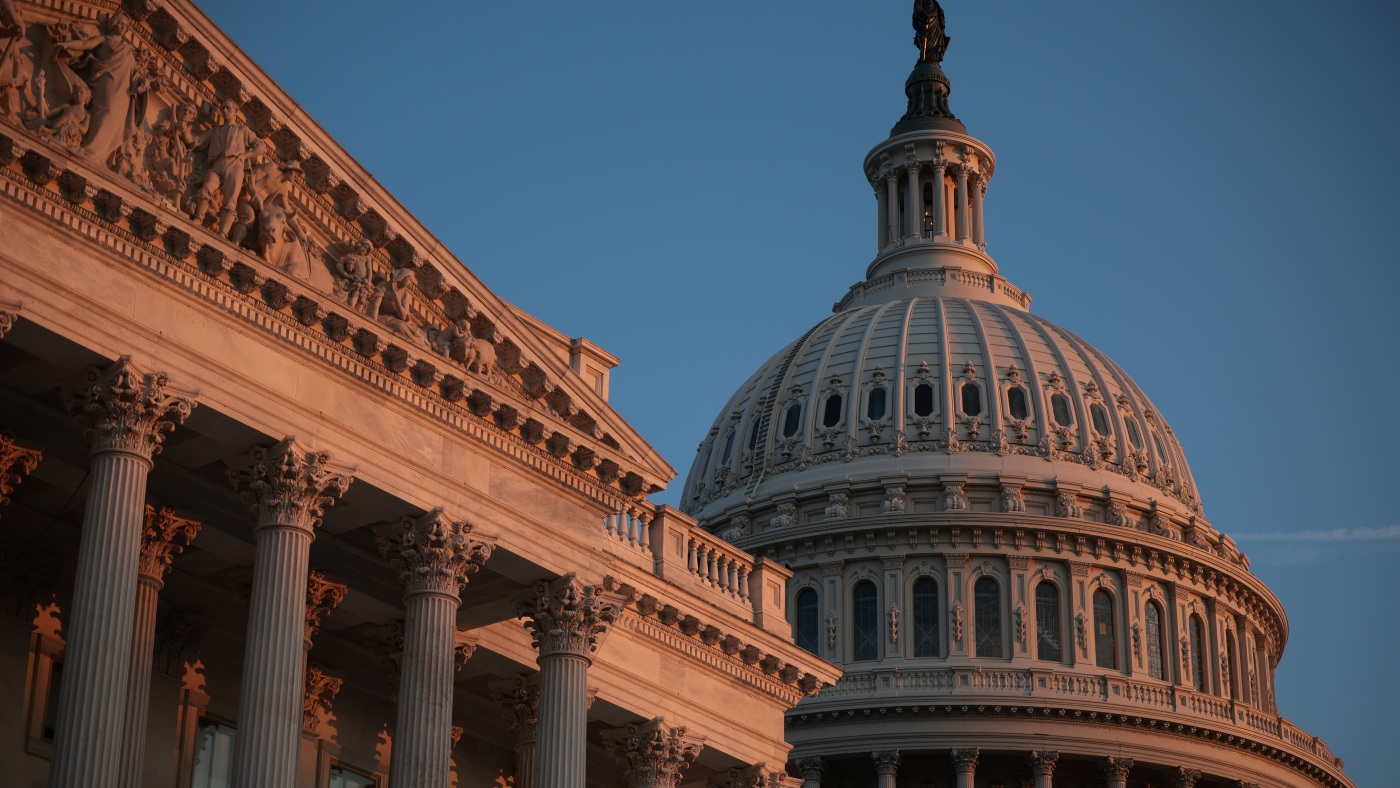
There’s a major shake-up happening in Congress as many lawmakers announce they won’t be returning after the 2026 midterms. Over 10% of current Congress members are stepping down. This includes familiar faces like California’s Nancy Pelosi and Kentucky’s Mitch McConnell.
According to NPR’s Congressional retirement tracker, as of December 17, 2025, 54 members—including 10 senators and 44 House representatives—are either retiring or running for different positions.
The reasons for this wave of departures vary. Some lawmakers are leaving due to redistricting, which can create unfavorable conditions for their re-election. Others are pursuing state or local offices.
An interesting trend is emerging: a significant number of lawmakers are choosing to run for governor. For instance, Texas Representative Chip Roy is aiming for the position of state attorney general. Meanwhile, Senators like Marsha Blackburn from Tennessee and Michael Bennet from Colorado might resign their seats if they win governorships.
Historical comparisons highlight this moment. Since President Trump took office in 2017, about 900 individuals have served in Congress. More than 140 have retired, marking a record high. This trend reflects a broader shift where long-standing politicians are willingly stepping aside for the younger generation, as seen with figures like Dick Durbin and Jeanne Shaheen.
Moreover, the current political climate is contributing to these decisions. A recent survey shows that voters are growing increasingly unhappy with Trump’s agenda, leading to a sense of urgency among lawmakers to reassess their roles.
Redistricting is another big factor altering the political landscape. The Supreme Court’s decision to enforce a new congressional map in Texas has already affected several incumbents, causing many to reconsider their positions as they face potential primary challenges.
In summary, Congress is undergoing a significant transformation as these changes unfold amid an evolving political environment. As we look toward the 2026 elections, it will be interesting to see how this reshuffling impacts legislative priorities and party dynamics.
