
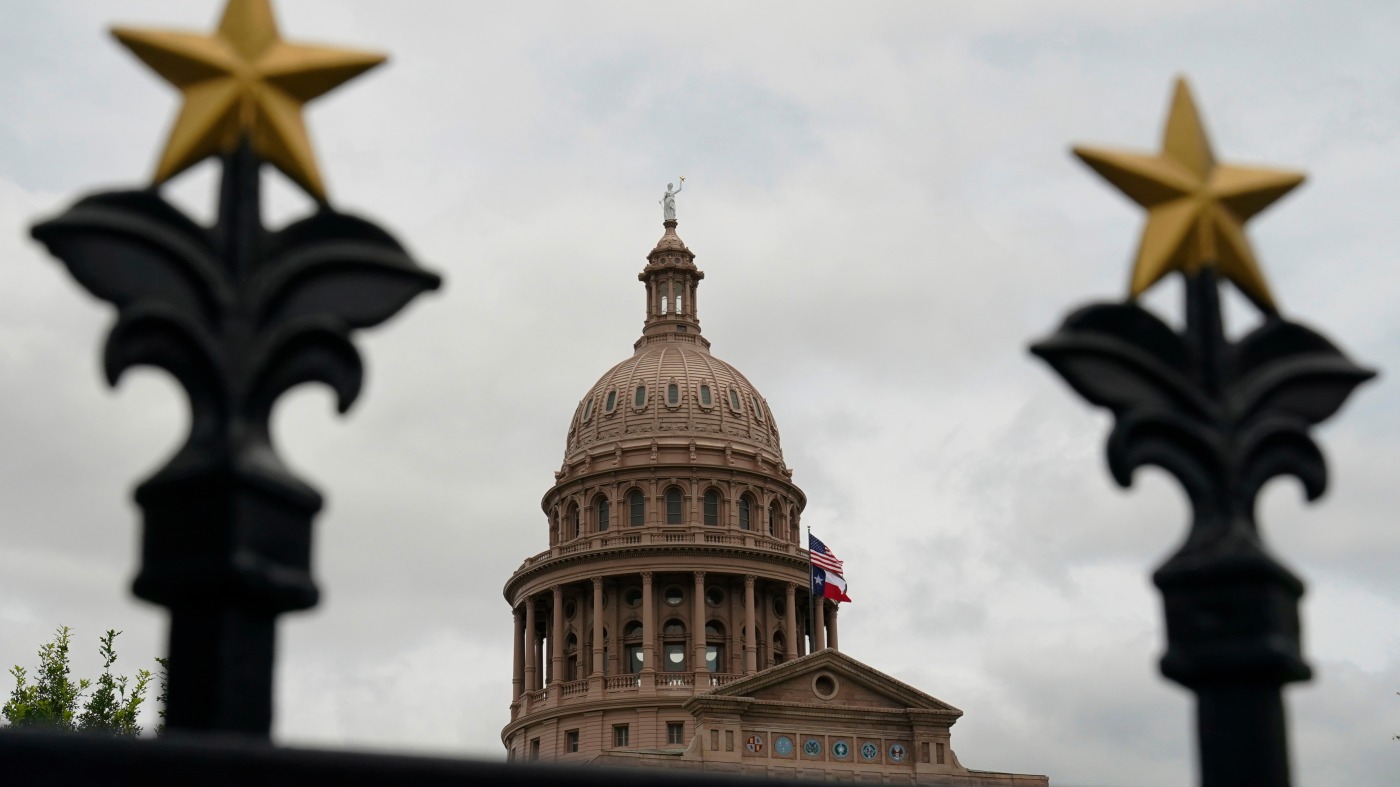
Supreme Court Temporarily Blocks Texas Redistricting Plan
The U.S. Supreme Court has stepped in to halt a recent ruling regarding Texas’ congressional map. This decision comes amidst concerns that the new map, endorsed by former President Trump, may discriminate against voters based on race. Justice Samuel Alito issued the order, which is in effect while the court reviews the situation—especially with congressional primaries approaching in March.
Background on the Case
The controversy started when Texas redrew its congressional districts last summer. The intention was to help Republicans gain five additional House seats. Civil rights groups challenged this map, arguing it undermines the voting power of Black and Hispanic communities. A panel of judges in El Paso sided with these groups, suggesting they had strong grounds for their case.
Historically, the Supreme Court has been cautious with redistricting cases close to elections. In the past, it has blocked similar rulings in Alabama and Louisiana, emphasizing a need for stability as elections loom.
What This Means
Texas officials sought the court’s intervention to avoid chaos as elections draw near. If the lower court’s ruling ultimately stands, Texas may have to revert to using the map drawn back in 2021 based on the latest census data, which is under Republican control.
Wider Implications
Texas isn’t alone in this redistricting struggle. Other states like Missouri and North Carolina have also adjusted their maps to favor Republicans, while California voters opted to enhance Democratic representation. Nationally, this has sparked a series of legal battles over redistricting.
In recent surveys, around 60% of Americans expressed concern about gerrymandering, viewing it as a serious threat to fair elections. Experts suggest that these ongoing redistricting conflicts could shape the political landscape for years to come.
Conclusion
The Supreme Court’s decision to block Texas’ new congressional map signals the ongoing tension in U.S. politics over representation and fairness. As courts navigate these complex cases, the outcomes could have lasting effects on voter rights and electoral dynamics throughout the country.
For further insights on redistricting and its implications, the Brennan Center for Justice offers comprehensive analyses and updates.
