
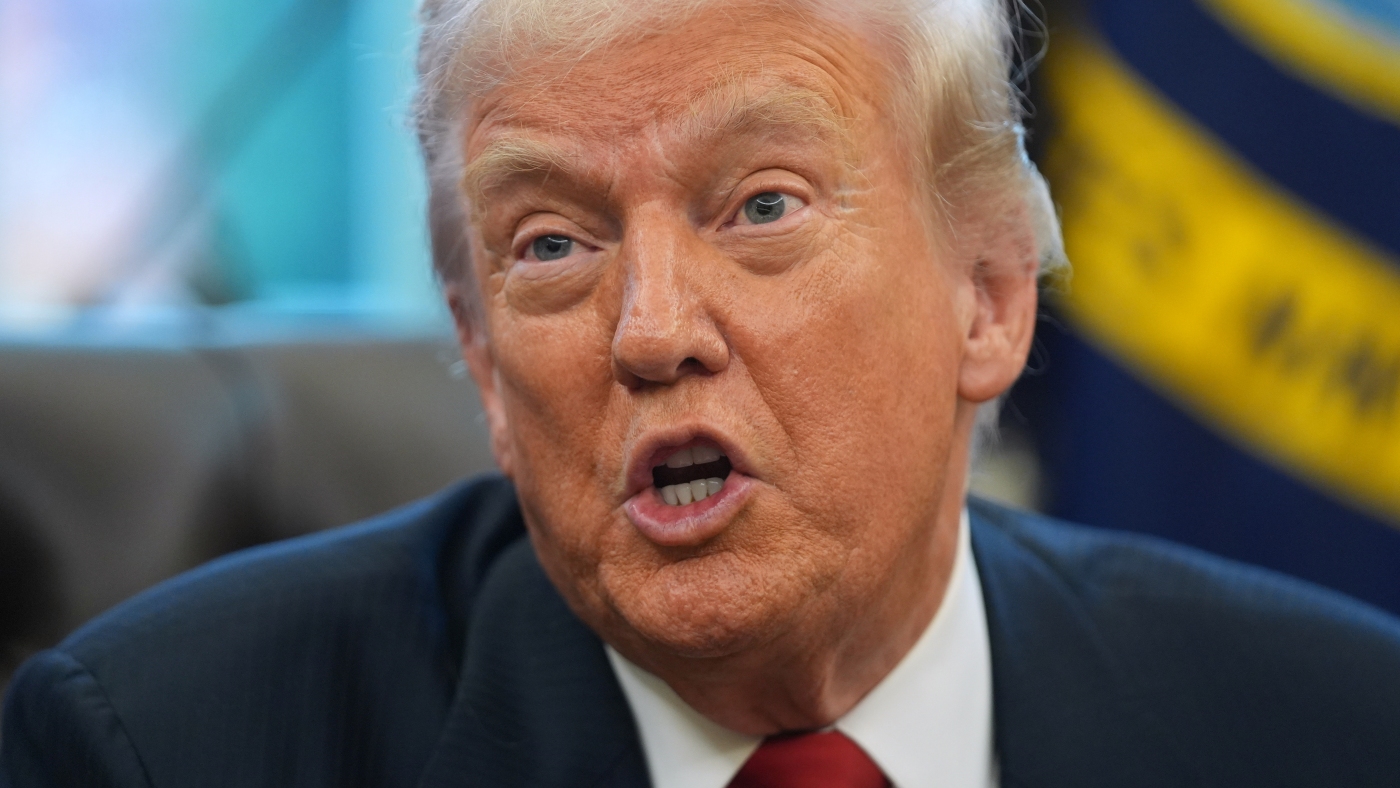
On Friday, Donald Trump announced he is ending temporary legal protections for Somali migrants in Minnesota. This program has been a lifeline for many, as it was designed to keep individuals safe from deportations due to ongoing turmoil in their home countries. Minnesota is home to the largest Somali community in the U.S., formed largely by those fleeing civil war and instability.
Now, this decision impacts a small number of people. A Congressional report from August noted that only about 705 Somalis are under this protection nationwide. The Temporary Protected Status (TPS) was introduced in 1990 to help those from nations experiencing crises, like natural disasters or civil strife, by allowing them to stay and work in the U.S.
Trump’s announcement came via social media, where he labeled Minnesota as a center of “fraudulent money laundering.” He suggested that “Somali gangs” were causing chaos and claimed that “BILLIONS of dollars” were unaccounted for. His language about this issue reflects a broader trend of using migration narratives for political gain, often fueled by fear and misinformation.
Experts argue that this rhetoric not only stirs public conversation but also has real-world consequences. Jaylani Hussein, executive director of the Minnesota chapter of the Council on American-Islamic Relations, expressed concern that the decision will “tear families apart,” viewing it as a reflection of anti-Muslim sentiments. According to a Pew Research survey, a significant portion of Americans believe that immigrants contribute positively to society, but negative narratives still dominate mainstream discourse.
The TPS program is subject to renewal every 18 months, and the Secretary of Homeland Security ultimately decides on its continuation. Recently, Trump has also sought to end similar protections for Venezuelans and Haitians, aiming for a stringent immigration policy overall.
This move falls within a historical pattern. Past administrations have often used immigration policies to fulfill campaign promises, with Trump’s previous statements targeting millions for deportation making headlines regularly. This latest action appears to follow suit, demonstrating a continued push for hardline immigration reforms.
As reactions unfold, social media trends indicate a mixed response, with some supporting reformed immigration policies while others express solidarity with affected communities. No matter the outcome, the impact on families and communities remains a significant concern. The future of TPS, particularly for those from Somalia, hangs in the balance.
For further details on the implications of such policy changes, check out the [U.S. Department of Homeland Security](https://www.dhs.gov). Understanding the full scope of how these decisions affect immigrants is essential for informed discussions surrounding immigration reform.
