
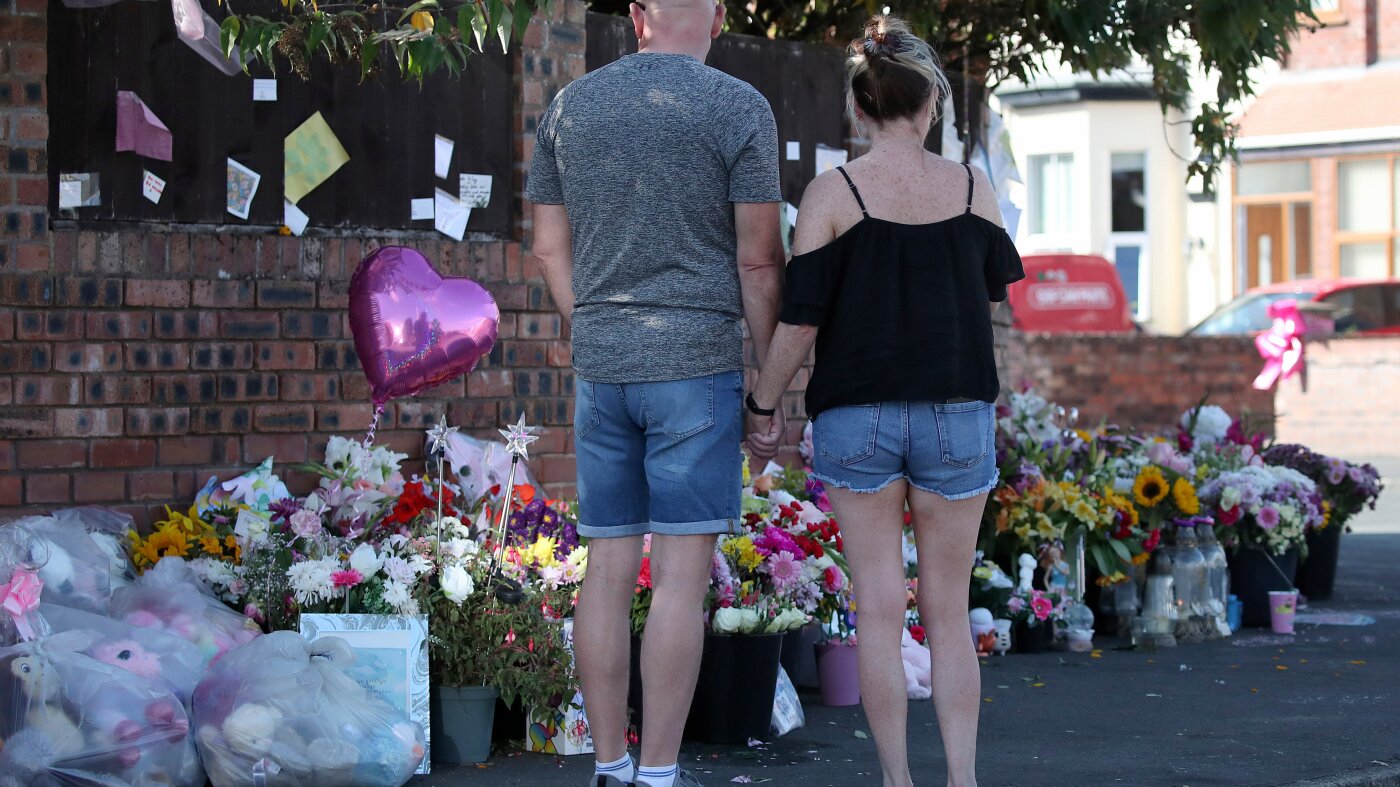
LONDON — A heartbreaking case from 2024 revealed a tragic mass stabbing in Southport, where a teenager attacked a group of children during a Taylor Swift-themed dance class. This devastating event left three young girls dead and many others injured.
The inquiry into this incident, led by retired judge Adrian Fulford, produced a lengthy report that stressed how this tragedy could have been prevented. Fulford’s findings pointed to numerous missed chances for intervention by both the boy’s parents and various state agencies.
The shocking nature of the attack sparked extensive public outcry, particularly as it was described as unprecedented in the U.K. due to its extreme nature. Fulford emphasized the many moments when officials could have acted to change the course of events.
The attacker, 17-year-old Axel Rudakubana, is serving a life sentence without parole for 52 years. He killed Alice da Silva Aguiar, 9, Elsie Dot Stancombe, 7, and Bebe King, 6, and also wounded eight other children and two adults.
After the attack, far-right groups misrepresented the incident, falsely suggesting the assailant was a Muslim migrant. Rudakubana, however, was born in Wales to Rwandan parents.
In response to the tragedy, the report recommended 67 measures to avoid similar incidents in the future. U.K. Prime Minister Keir Starmer vowed to implement changes to prevent such “systematic failures” from occurring again.
“It’s truly harrowing,” Starmer stated. “While nothing will bring these girls back, I am committed to making essential changes to keep the public safe.”
Before the tragedy, authorities were aware of Rudakubana’s troubling behavior. He had been convicted of assaulting a peer with a hockey stick at just 13 and had been referred to a youth program multiple times due to violent interests. Despite concerns about school shootings and other violent acts, his cases were closed without action.
Fulford pointed out that a troubling incident in March 2022—where Rudakubana was found with a knife and expressed a desire to stab someone—should have resulted in an arrest. At this time, authorities also discovered he had been researching deadly poisons. These signals were missed, leading to the catastrophic event.
Rudakubana’s parents faced their own struggles in managing his behavior. Despite recognizing that their son had become increasingly violent, they felt overwhelmed. Fulford suggested that blaming them would not do justice to how challenging their home life had become.
After the attack, police found homemade poison and extremist material at his home, although authorities decided the crimes were not classified as terrorism since there was no clear political motive.
Home Secretary Shabana Mahmood announced plans for new laws targeting violent acts that don’t fall under traditional terrorism definitions, highlighting a gap in existing legislation. This case opens conversations about the need for better support systems and clearer legal frameworks to protect the public.
As society grapples with the implications of this tragedy, the urgency for reform is more significant than ever.
Source link
