
Good morning! Here’s what’s happening today.
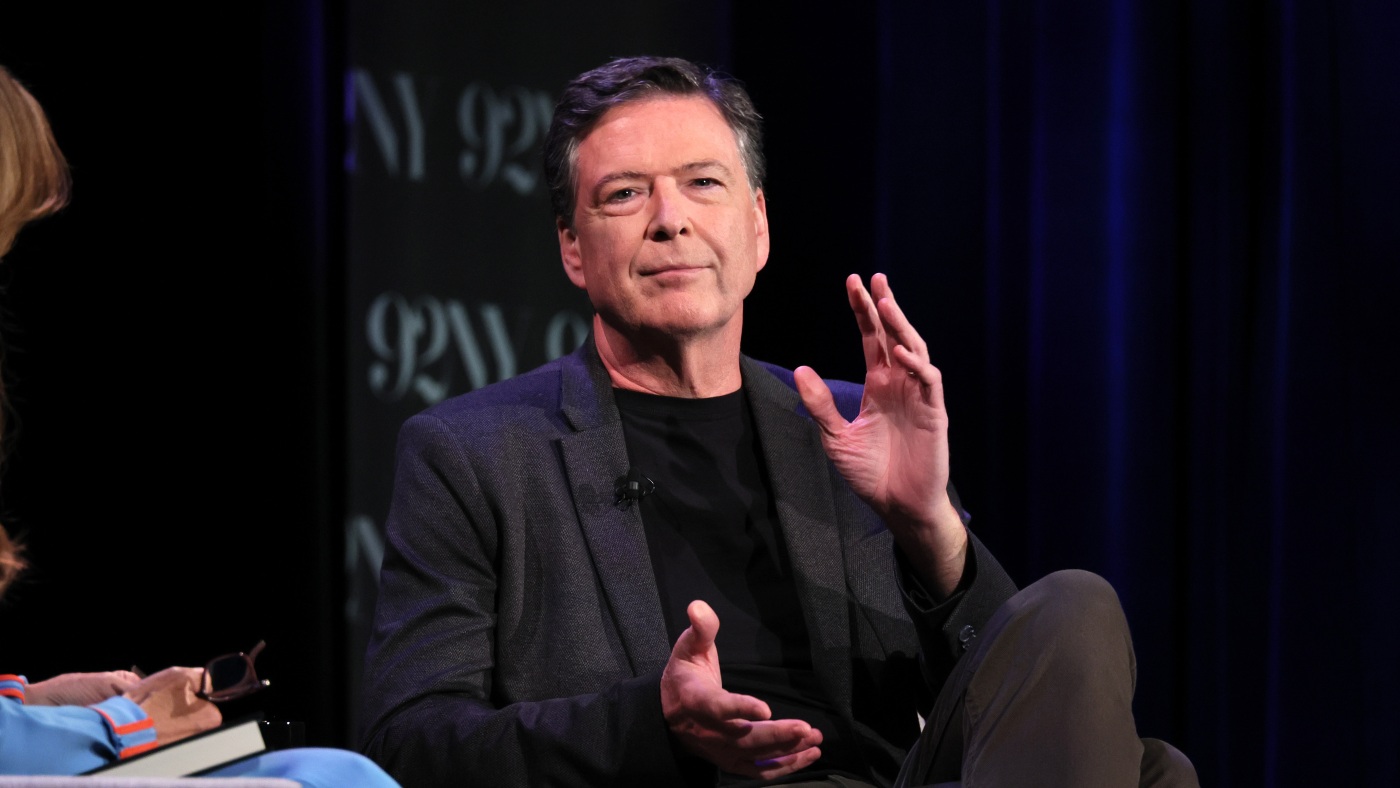
A federal judge has dismissed criminal charges against former FBI Director James Comey and New York Attorney General Letitia James. These charges were initially brought by a lawyer acting under pressure from former President Trump, who wanted to target his political opponents. The judge ruled that the prosecutor, Lindsey Halligan, was improperly appointed. This ruling is a notable setback for Trump, highlighting limits on his power to appoint federal officials.
Comey expressed that he remains wary of future attempts to target him but trusts in the judicial system. Interestingly, courts have recently noted that several U.S. attorneys may have been appointed unlawfully, underlining limitations to presidential powers over such appointments. You can read more about this issue here.
U.S. Defense Secretary Pete Hegseth is pushing to sever military ties with Scouting America, formerly known as the Boy Scouts, claiming the organization no longer promotes meritocracy and instead attacks boy-friendly spaces. This marks a significant shift in a relationship that has lasted over a century.
In Ukraine, a proposed 28-point peace plan from the U.S. has been sidelined. European leaders are now putting forth their own ideas, as they believe the original plan appears more like a wish list for Russia. Ukrainian President Volodymyr Zelenskyy has called the new proposals potentially constructive, though some Kremlin advisers have already rejected them.
The ongoing conflict has led to heavy casualties and exhaustion on all sides, with the war now entering its fourth year. The pressure to find a resolution continues to grow.
Meanwhile, the Trump administration has labeled the Cartel de los Soles, led by Venezuelan President Nicolás Maduro, a foreign terrorist organization. This designation is part of an intensified campaign to combat drug trafficking to the U.S. Rumors suggest the government may also be contemplating military action against Venezuela, which raises serious political implications and the risk of long-term entanglements.
In the world of technology, companies are pouring billions into artificial intelligence (AI), with some experts arguing that we might be facing a dangerous AI bubble. A recent study indicated that only 3% of consumers currently pay for AI services, despite heavy investments from major tech firms. Analysts predict that Big Tech will invest around $3 trillion in AI infrastructure by 2028, but if the market doesn’t grow as expected, this could lead to substantial financial losses.
For instance, Morgan Stanley predicts that half of the funding for these investments will come from borrowing, raising concerns about potential financial instability if demand fails to materialize as hoped. Some commentators suggest that inflated demand might be artificially stimulated by arrangements, like when chip manufacturers subsidize their largest customers.
As these trends unfold, they spotlight the tension between rapid technological advancement and the accompanying financial risks.
Finally, a new study has found fascinating insights into bowhead whales, which appear to produce a protein that significantly repairs DNA, helping to prevent precancerous changes in their cells. This discovery could pave the way for innovative cancer treatments.
It’s a dynamic time politically, socially, and scientifically. Stay tuned for more updates!
