
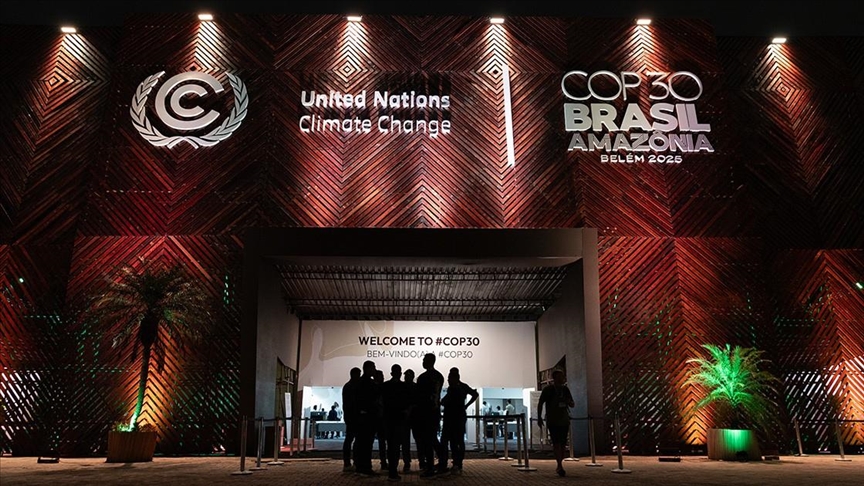
At this year’s UN climate change conference in Istanbul, COP30, delegates wrapped up their discussions but left many hopeful attendees disappointed. According to media reports, while over 80 countries gathered in Belem, Brazil, to push for a plan to phase out fossil fuels—the primary cause of climate change—such a proposal wasn’t included in the final agreement.
The conference took place in a region vital to our planet: the Amazon rainforest, often referred to as “the lungs of the planet.” Yet, the agreement did not introduce significant measures to combat deforestation or protect this critical ecosystem.
Jean Su, the energy justice director at the Center for Biological Diversity, expressed her frustration, stating, “The venue bursting into flames couldn’t be a more apt metaphor for COP30’s catastrophic failure.” She noted that wealthier nations benefiting from fossil fuels haven’t offered the financial support needed for developing countries to transition away from fossil energy.
As delegates expressed their discontent with the lack of clear roadmaps for addressing fossil fuels and deforestation, COP30 President André Correa do Lago promised to create these roadmaps independently. However, since they are not part of the formal agreement and lack full support, their impact remains uncertain.
Despite the setbacks, there were some positive developments. The World Resources Institute reported that COP30 managed to triple adaptation finance and amplify Indigenous voices in climate discussions. Ani Dasgupta, the organization’s president, highlighted these strides, suggesting that hope for international cooperation on climate issues remains strong, even amid political challenges.
Recent statistics from environmental surveys show a rising concern among the public about climate change, with 70% of people in various countries supporting the transition to renewable energy sources. This demonstrates a growing awareness of the issues at hand and a demand for action.
While COP30 did not meet all expectations, the conversations and commitments made could lay the groundwork for future agreements. The world watches closely for further developments—and for genuine action to combat climate change.
For more insights, you can check the World Resources Institute.
Source link
climate,COP30,UN,Anadolu Ajansı
