
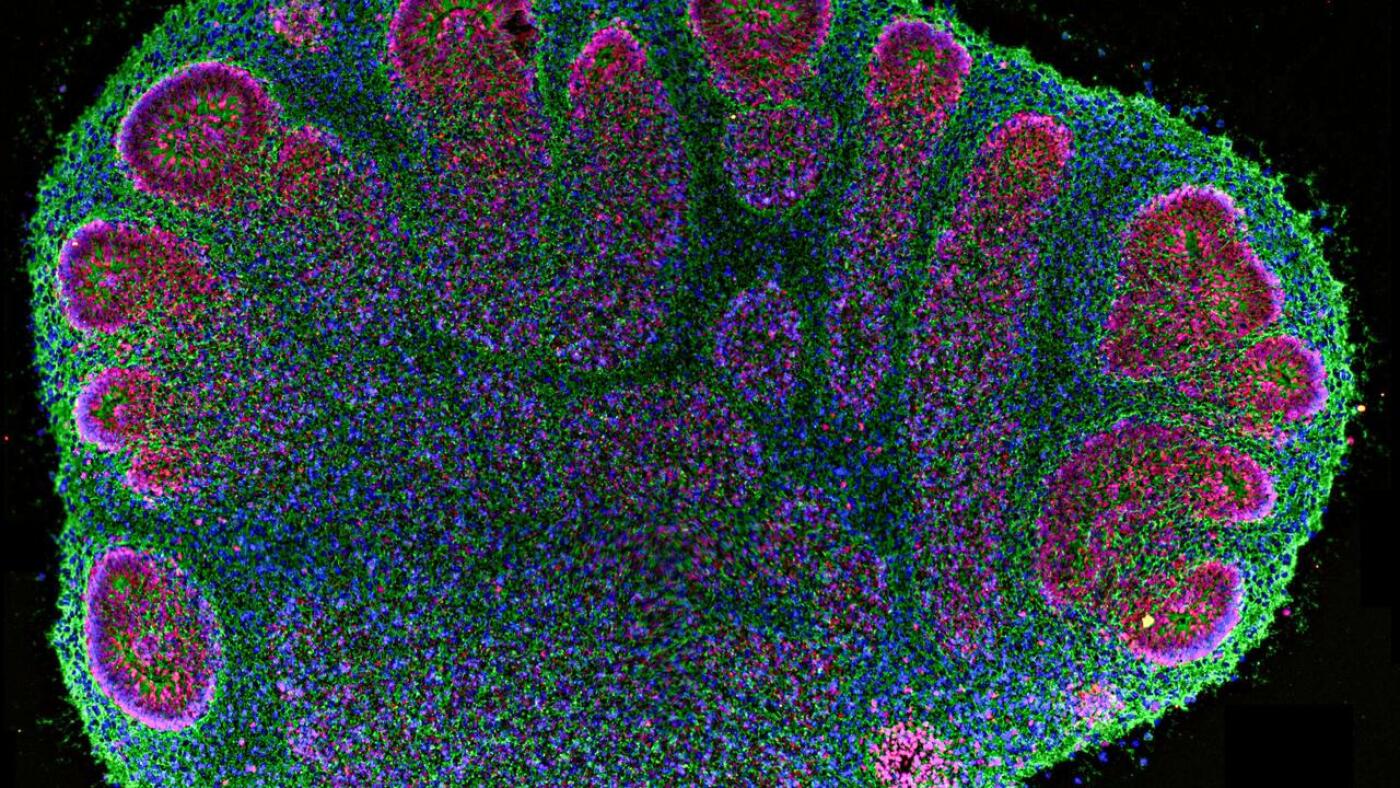
Research into conditions like autism and brain cancer now heavily uses small clusters of human cells known as brain organoids. These tiny bits of brain tissue can mimic certain aspects of human brain development, growing for months or even years in labs. However, their use raises ethical questions because the brain is closely linked to our identity.
Recently, scientists, ethicists, and patient advocates gathered to discuss the implications of brain organoid research. They faced tough questions: Is it acceptable to place organoids in animal brains? Can these structures feel pain? Should anyone regulate this research?
Dr. Insoo Hyun, a bioethicist, emphasized caution, saying, “We are talking about an organ that is at the seat of human consciousness.” He advocates for careful experimentation, reflecting the complexity of these issues.
Dr. Sergiu Pașca, a key researcher in this field, has developed treatments using organoids, allowing scientists to study brain disorders in ways not possible with animals. Yet, his work has raised public concerns, particularly when his lab recreated a human pain pathway or transplanted organoids into rats. He acknowledges the ethical and societal implications of this research, noting the relevance of a recent article in the journal *Science* outlining these issues.
The Asilomar Conference Center, chosen for these discussions, is historic. Fifty years ago, it hosted a pivotal gathering on genetic engineering’s ethical guidelines. Though the goals were less ambitious this time, participants engaged in fruitful dialogue across varied fields.
Attendees highlighted the need for effective communication. Alta Charo, professor of law and bioethics, pointed out the public’s concern about how closely organoids can mimic human brain functions. She explained that although research is advancing, organoids still lack the circuitry necessary for pain perception.
Misleading media portrayals also contribute to public unease. Many people mistakenly believe labs are growing “mini-brains” that function like human brains. Dr. Guo-li Ming, another organoid researcher, is working on customizing cancer treatments using organoids made from patient tumors, showcasing how these technologies can lead to medical breakthroughs.
The ethical debates surrounding brain organoids echo those from over two decades ago regarding stem cell research. Back then, there was worry about animals gaining human-like abilities from neural stem cells. While those concerns lessened, organoids, which can thrive in animal brains, bring back similar fears.
Dr. Hyun believes it’s crucial to address these ethical questions now, as advancements in organoid research unfold rapidly. The meeting in Asilomar indicates an awareness among scientists about the need for clear guidelines and government oversight to navigate these complex and sensitive topics.
Overall, while organoids hold great promise for advancing our understanding of the brain and developing new therapies, they also challenge us to consider ethical boundaries and public perception carefully.
