
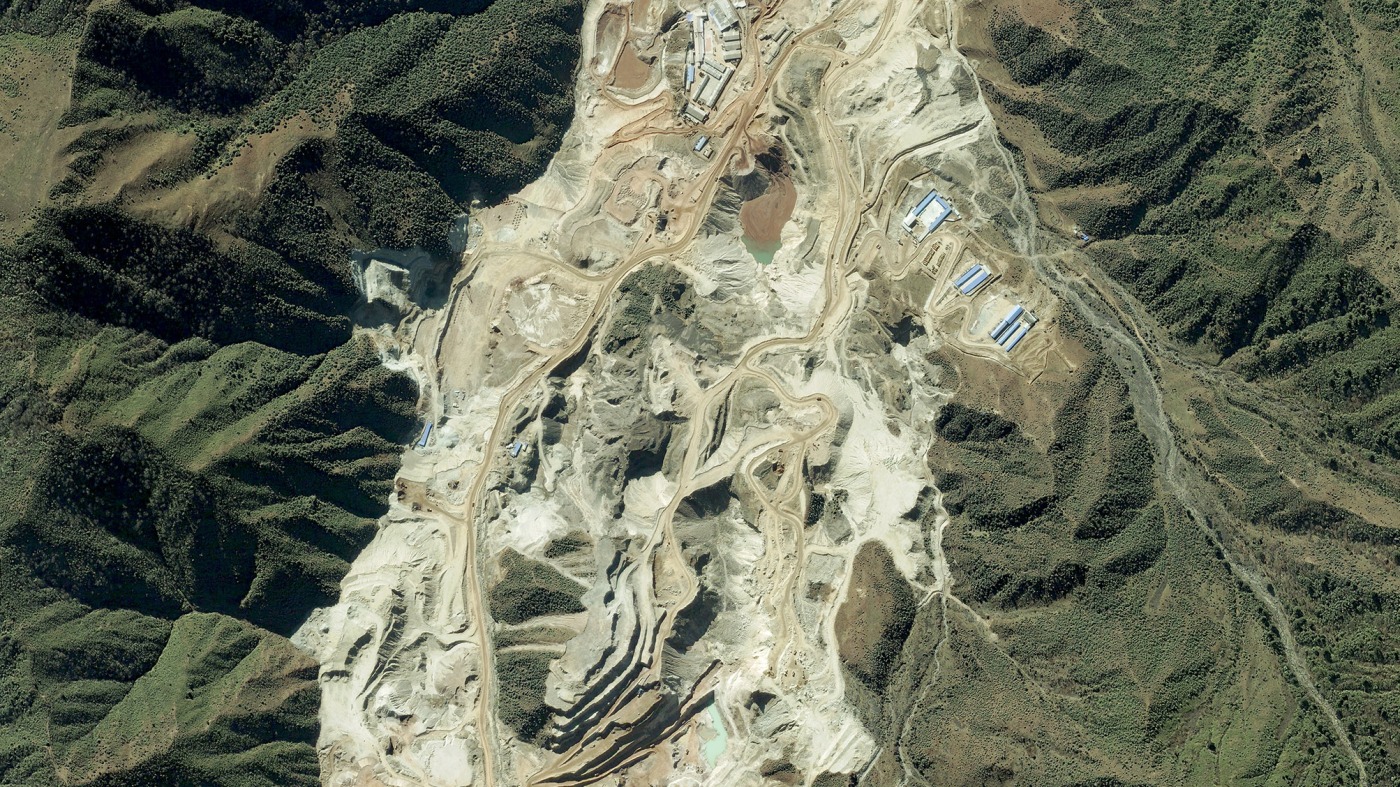
Deep underground in a WWII-era vault near Frankfurt, Germany, investment manager Louis O’Connor safeguards a significant asset: rare earth elements. O’Connor, CEO of Strategic Metals Invest, emphasizes the security of his firm’s stockpiles. Despite their name, many rare earth elements are quite common across the globe. However, China dominates the refining process, which is crucial for everyday electronics and advanced technologies.
When China tightened its grip on supplies this spring, the impact was swift. O’Connor noted a surge in demand, with investors eagerly wanting to purchase rare elements like terbium and dysprosium right from his inventory. This incident highlighted the power of China’s control over the industry.
China’s influence extends beyond mere supply. In recent trade disputes with the U.S., access to rare earths became a significant talking point. After new export regulations were introduced, companies worldwide felt the pressure, leading many to halt production. Historically, the U.S. once led the rare earth market, particularly after the Mountain Pass mine was discovered in California in 1949. As Chinese companies developed more advanced techniques and benefitted from cheaper resources, they gradually took over the market.
To retain its dominance, China imposed strict controlled quotas in the late 1990s, managing the industry and aiming to reduce pollution from rampant small-scale mining. While these quotas stabilized the market, they also unintentionally created a smuggling environment, with up to 30% of products illicitly exiting the country due to foreign demand.
Meanwhile, the Chinese government launched a “secret war” against illegal operations, consolidating the rare earth industry into six major companies by closing smaller mines and refineries. This now allows for unified control over pricing, which raises concerns for foreign companies about entering the market.
Despite these challenges, some American firms are still making strides. For instance, NioCorp in Nebraska is setting up new mines to compete in the rare earths industry. Similarly, Phoenix Tailings, a Massachusetts-based startup, is refining leftover materials from mining to produce rare earth magnets for defense and automotive sectors. This year, a licensing system enacted by China prompted heightened interest from U.S. investors, showing a potential shift in the market landscape.
The recent turmoil around rare earth supply may signal a turning point for American companies to re-enter the industry. With increased investments, the U.S. could once again become a player in this crucial market.
Source link
