
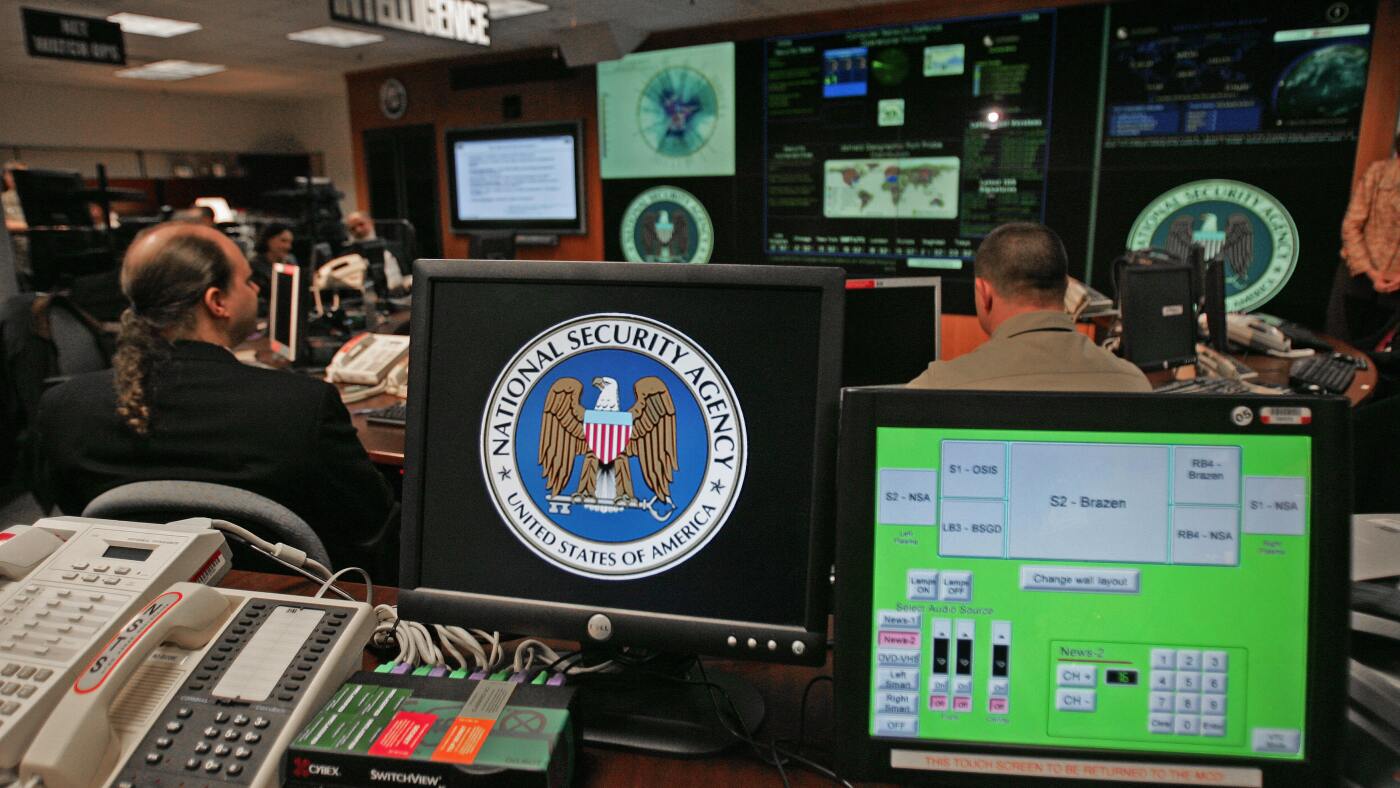
This month, a significant part of the U.S. intelligence community faces expiration. It’s called Section 702 of the Foreign Intelligence Surveillance Act, or FISA 702. This law allows intelligence agencies to collect important data, essential for national security and counterterrorism efforts.
However, there’s a catch. Some lawmakers, from both sides of the aisle, worry this provision enables the government to spy on Americans without a warrant. They argue it infringes on our right to privacy.
Discussions around renewing this law are heating up. Advocates stress its importance for national safety, suggesting that any changes could jeopardize crucial intelligence work.
Understanding Section 702
Section 702 lets U.S. intelligence agencies monitor electronic communications of foreign individuals located outside the United States without individual court orders. If those foreign nationals communicate with someone in the U.S., it can lead to unintentional collection of American citizens’ data. This information is pivotal for anticipating threats and ensuring cybersecurity.
For instance, Stewart Baker, former counsel for the NSA, highlighted its value, noting it has helped thwart terrorist plots and disrupt drug trafficking operations. In 2023, around 60% of daily intelligence reports relied on data from Section 702.
So Why the Debate Now?
As the April expiration date approaches, Congress must decide whether to renew Section 702. This situation is not new; each renewal prompts a lively debate about civil liberties versus national security. Critics, including prominent senators from both parties, argue the law doesn’t provide enough protection for American citizens.
Moreover, some lawmakers are shifting their stance. Rep. Darrell Issa, who previously opposed the law for its lack of warrant requirements, now believes certain reforms are working. Meanwhile, Rep. Jamie Raskin, who initially supported it, is rallying against its renewal, showing how perspectives can evolve over time.
The Gathering Storm: Public Sentiment
Public opinion on surveillance is changing. A recent study found that 52% of Americans now feel their privacy is at risk from government surveillance practices. Meanwhile, social media discussions on the topic have gained traction, with many users expressing their concerns about unauthorized data collection.
How Is Data Collected Under Section 702?
The government collects information via a special court known as the Foreign Intelligence Surveillance Court (FISC), which provides broad authorization for monitoring specific targets each year. Agencies like the NSA and FBI directly obtain information from U.S. communications providers, like email and social media services.
Exploring the Impact of Section 702
A staggering amount of data is collected annually under this provision—over 349,000 targets were monitored in 2025. With each target potentially generating multiple data points, this law creates a vast pool of information on communications that intelligence agencies can utilize.
In recent years, 70% of the CIA’s successful operations against synthetic drug trafficking have derived from Section 702 intelligence. This demonstrates its crucial role in combating contemporary threats.
Searching for American Data
Though the government can search information linked to U.S. citizens without significant oversight, this practice has come under scrutiny. Privacy advocates argue that the generally unrestricted searches for American data violate the Fourth Amendment. Recent statistics reveal a shocking reality—thousands of backdoor searches are conducted annually. Critics, including privacy experts, argue this can lead to abuse.
What’s next?
The future of Section 702 hangs in the balance. Advocates argue for its importance in fighting crime and terrorism. However, many believe reforms are essential. The ongoing debates reveal a deep divide about the balance between privacy and security, a conversation that will be pivotal as the expiration deadline approaches.
