
Vermont has joined forces with 24 states and several cities in a legal battle against the Trump administration. They are challenging efforts to roll back federal actions on climate change. Vermont Attorney General Charity Clark emphasized the state’s commitment to science. She pointed out that it’s disappointing when the federal government does not share that priority.
The lawsuit, filed in the U.S. Court of Appeals for the District of Columbia, argues that the Environmental Protection Agency (EPA) acted illegally. It dismissed a 2009 scientific finding known as the “endangerment finding,” which stated that the government can regulate greenhouse gas emissions from fossil fuels under the Clean Air Act.
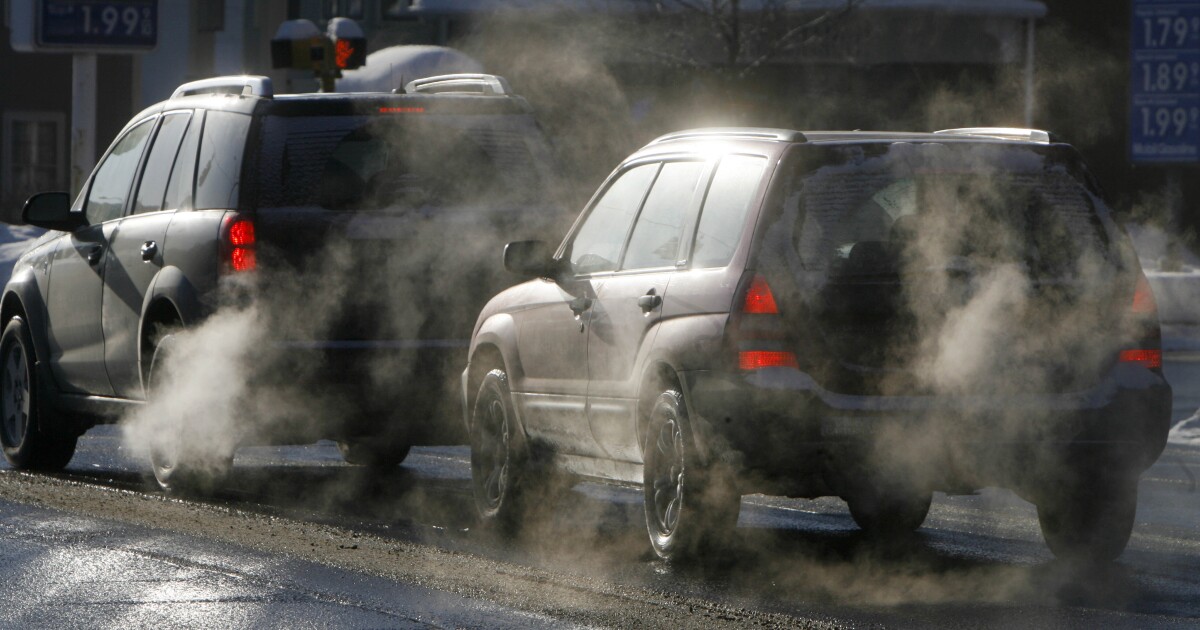
This finding is crucial because it supports the government’s responsibility to manage greenhouse gas levels. The Trump administration has cited its repeal as a reason to eliminate federal regulations on emissions from vehicles and power plants. These sources are significant contributors to climate-warming emissions, especially in Vermont.
Trump’s EPA claims that deregulation could save Americans $1.3 trillion by lowering vehicle costs. However, many experts say the real cost of climate change is already impacting Americans now and will continue to escalate if not addressed.
Experts generally agree that fossil fuel use contributes to global warming, leading to serious environmental issues like severe flooding. Patrick Parenteau, an environmental law expert from Vermont Law and Graduate School, noted that removing the endangerment finding could confuse the oil and gas industries. They’ve long argued that states can’t demand compensation for climate damage when the federal government is responsible for regulating pollutants.
Parenteau remarked on the contradictions in the Trump administration’s arguments, suggesting that courts might not support their claims. The Environmental Defense Fund estimates that repealing this finding could result in 18 billion more metric tons of carbon emissions by 2055. In Vermont, the repercussions could mean more intense floods, poor air quality, and increased pollution from out-of-state power plants.
Historically, federal regulations on emissions have been in place for almost 15 years. If the Trump administration prevails, it would reverse crucial progress in climate change regulations.
As this case unfolds, public interest is rising, with many voicing their concerns on social media platforms, emphasizing the need for robust action against climate change. The debate continues, highlighting the pressing nature of environmental issues that many citizens care deeply about.
Source link
