
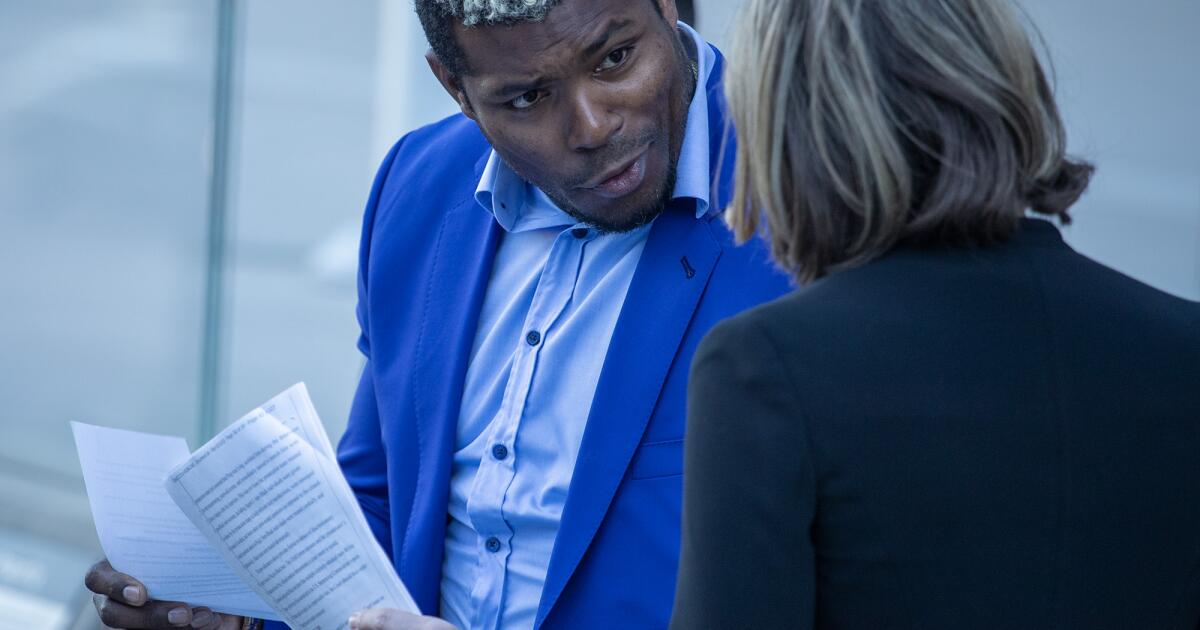
A jury found former Dodgers player Yasiel Puig guilty of obstruction of justice and making false statements to investigators. The trial in Los Angeles lasted two weeks, and the jury debated for nearly two days. Puig, 35, could face up to 20 years in prison when he’s sentenced on May 26.
Puig is facing serious charges. He could get a maximum of 10 years for obstructing justice and up to five years for the false statements. He is currently free on his own recognizance and plans to appeal the verdict. His attorney, Keri Curtis Axel, expressed disappointment and mentioned they believe there are strong grounds to challenge the decision.
The case revolves around a January 2022 videoconference with federal investigators. Puig allegedly lied about his involvement in illegal sports betting linked to Wayne Nix, who ran an illicit gambling operation. Prosecutors claim Puig denied placing bets with Nix, even though he had made numerous wagers on various sports from July to September 2019, totaling 899 bets.
During the investigation, Puig reportedly lost over $1.5 million on sports bets, owing Nix $282,900. Nix himself pleaded guilty in 2022 to charges involving his gambling business and is awaiting sentencing.
Assistant U.S. Attorney Jeff Mitchell, who led the investigation into Nix, had some interesting remarks. He stated that he didn’t see making payments to an illegal bookmaker as a federal crime. However, when he believed Puig had lied about his bets, he moved to charge him with obstruction of justice.
Initially, Puig agreed to plead guilty to one count of lying to federal authorities for a fine of $55,000 and no jail time. But he later withdrew from this agreement, insisting he wanted to clear his name.
It took three more years of legal battles before Puig finally stood trial in January. His defense focused on miscommunication and misunderstanding during the 2022 interview. Lawyers argued that language barriers and Puig’s ADHD and PTSD complicated the situation. One of his previous attorneys testified that the interpreter may have miscommunicated details.
The prosecution countered this, claiming that Puig’s statements about losing $200,000 betting were deceptive. They presented evidence that he was inconsistent about his betting activities during his citizenship application in 2019.
Experts weighed in, including UCLA psychology professor Marcel Pontón, who disputed Puig’s PTSD diagnosis. This adds another layer to the conversation about the impacts of trauma, especially for athletes like Puig, who fled Cuba under harrowing circumstances.
Historically, this case fits into a broader narrative of athletes grappling with the law over gambling. Recent trends suggest that sports betting is becoming more mainstream, but it’s still surrounded by significant legal complexities. As gambling becomes more accessible, the scrutiny on athletes also intensifies, leading to more legal proceedings.
User reactions on social media have varied. Some fans express disappointment in Puig, while others rally behind him, emphasizing his difficult past. Puig’s journey from Cuba to MLB stardom captures the attention of many, making this case not just a legal issue but a human story as well.
With the stakes high and Puig’s future uncertain, this case emphasizes the ongoing struggles athletes face—not only on the field but in navigating legal and personal challenges off of it.
Source link
