
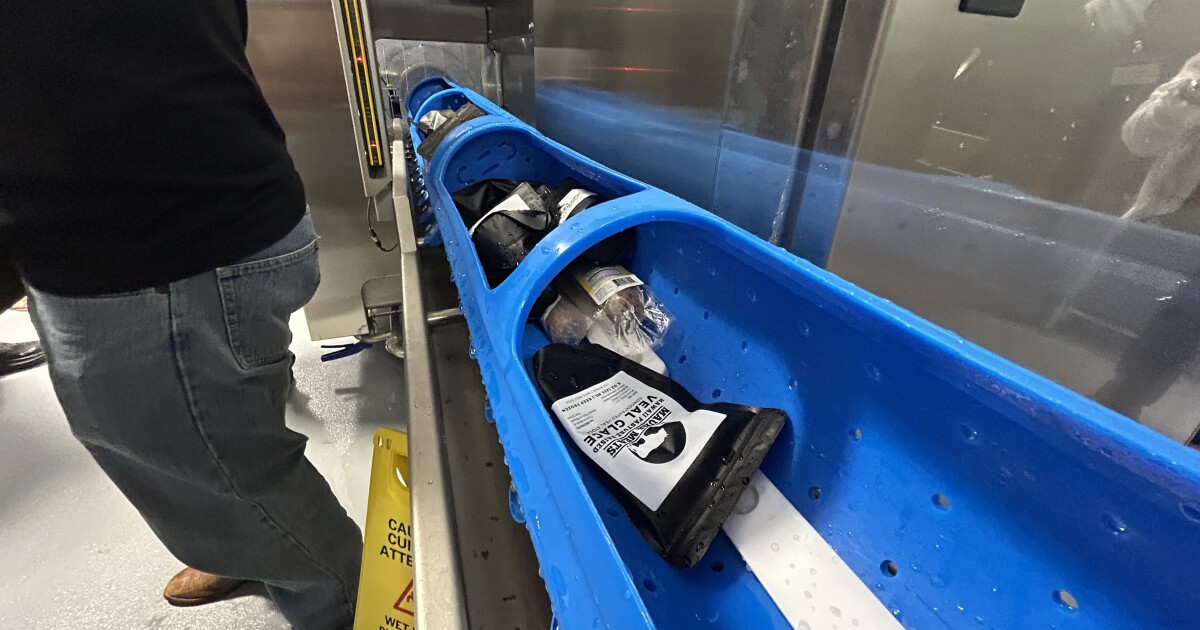
An exciting project is taking shape in Whitmore Village, aimed at boosting local food production and feeding students in Hawaiʻi with fresh, nutritious meals. This new agriculture and food hub will cover 34 acres and feature a central kitchen along with a high-pressure processing (HPP) machine.
At the groundbreaking ceremony, Hawaiʻi First Lady Jaime Kanani Green emphasized the importance of access to healthy meals for children and families. “Feeding our keiki is about more than food; it’s about creating strong support systems that care for our people,” she said.
The central kitchen will play a crucial role in the state’s goal to increase the use of locally grown food in schools from 6% to 30% by 2030. The Department of Education (DOE) believes this hub will streamline food preparation, allowing for more collaboration with local farmers. This effort will also cut costs associated with upgrading individual school kitchens.
The kitchen is expected to produce 60,000 meals daily, contributing significantly to the DOE’s overall requirement of about 100,000 meals per day. This expansion could help more students receive fresh, locally sourced meals.
The HPP machine will also benefit local businesses. For instance, Lei Rudometkin, who produces fresh salsa with her family business, Da Tomato Guy, sees this technology as a game changer. Currently, her salsa lasts only 14 days, but with HPP, they hope to extend its shelf life without adding preservatives.
Leeward Community College has a smaller HPP machine that’s primarily for research, but the new hub will have larger, more efficient machines to serve businesses on a bigger scale.
The project has received about $30 million in funding from the state Legislature and is anticipated to be operational by late 2027. Such initiatives show a commitment to both local agriculture and student nutrition in Hawaiʻi, making a positive impact on communities.
This hub also reflects a broader trend in the U.S. toward promoting local food systems. A recent survey found that more than 60% of Americans now prefer to buy local, highlighting the shift in consumer behavior toward fresh and sustainable food options. As more projects like this emerge, they can potentially reshape local economies and enhance food security for future generations.
For more on the state’s efforts to enhance local food systems, you can visit the Hawaiʻi Department of Education.
