
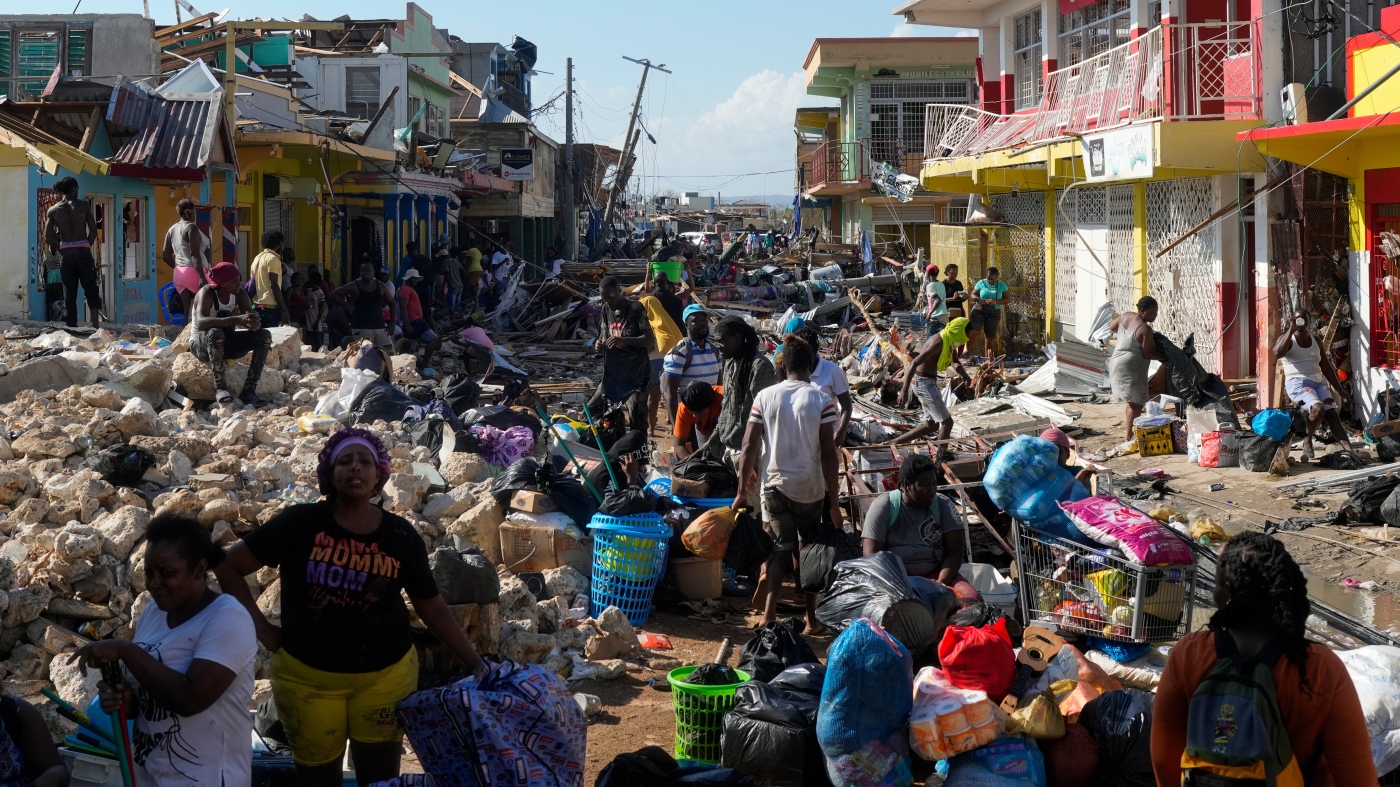
The 2025 hurricane season was unusual, marked by a quiet period in the United States. For the first time since 2015, no storms made landfall there. In fact, there was a three-week stretch during the season when the Atlantic saw no storm formation at all. Yet, the storms that did form were among the most intense ever recorded.
Brian McNoldy, a hurricane researcher at the University of Miami, called the season “unusual.” There were 13 tropical storms and hurricanes, which is around average. However, many of these storms were powerful Category 5 hurricanes. Lindsey Long, a meteorologist at NOAA’s Climate Prediction Center, noted that there were three Category 5 hurricanes in 2025—only 2005 had more in a single season.
One key aspect of this year’s season was the absence of landfall in the U.S. Long mentioned that this was largely due to luck. Climate change is contributing to the trend where years with average storm numbers can still produce numerous strong hurricanes. Rising ocean temperatures fueled by pollution are a major factor. As greenhouse gases trap heat, oceans absorb much of this, creating ideal conditions for hurricane development.
The part of the Atlantic where hurricanes form has seen record-high temperatures, which acts like fuel for storms. This was evident with Hurricane Melissa, which strengthened over warm waters and hit Jamaica as a Category 5 in late October.
Interestingly, wind patterns can disrupt storms. Known as wind shear, this occurs when there’s a significant difference in wind speed at various altitudes, making it tough for hurricanes to develop fully. This year, wind shear was prevalent, keeping the total storm count at an average level.
Climate models suggest that as global temperatures rise, there will likely be more wind shear in hurricane-forming areas of the Atlantic. This means we might experience fewer total storms, but those that do occur could be larger and more powerful.
McNoldy emphasized that while the 2025 season reflects this trend, each hurricane season will vary. Even with a warming climate, fluctuations in the number and intensity of storms will continue to happen year by year.
The discussion around this season echoes wider conversations about climate change. A recent study by the National Oceanic and Atmospheric Administration indicated that warmer sea surface temperatures have a direct correlation with hurricane intensity.
Overall, while advancements in meteorology are helping us understand these patterns better, the unpredictability and severity of future hurricanes remain a pressing concern.
Source link
