
The Trump administration recently took a bold step by repealing a 2009 legal finding that recognized climate change as a public threat. This move also removed vehicle emissions standards tied to that finding, a significant change in environmental policy.
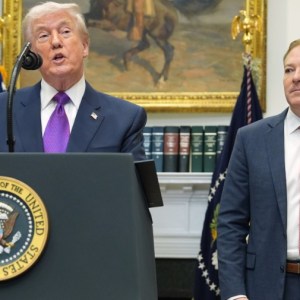
During a White House announcement, President Trump criticized the previous administration’s actions, claiming they harmed the American auto industry and raised costs for consumers. He called this repeal the “largest deregulatory action in American history,” emphasizing an immediate end to federal requirements for automakers to reduce their climate impact.
Historically, the 2009 endangerment finding was critical. The Obama administration had determined that greenhouse gas emissions endanger public health, paving the way for the Environmental Protection Agency (EPA) to regulate them under the Clean Air Act. This act states that any pollutant harming public health must be addressed. The Supreme Court confirmed that greenhouse gases fall into this category back in 2007, leading to the regulations we saw in the years to follow.
Experts warn that this repeal could worsen climate change. According to a recent report from the International Panel on Climate Change (IPCC), human activities are driving temperatures higher and causing more extreme weather. The last decade has seen some of the hottest years on record, with the 2020s already showing alarming signs of change.
User reactions are mixed. On social media, many express concern over the potential health impacts and increased pollution. Former President Obama publicly criticized the decision, stating that it would lead to a less safe and healthy environment.
The Biden administration estimated that previous standards under Obama could have avoided up to 7.2 billion tons of carbon emissions by 2055—nearly four times the emissions from the entire U.S. transportation sector in 2021. Transportation accounts for about 28% of the U.S.’s greenhouse gas emissions, making it a vital area for climate action.
Additionally, experts emphasize the potential health benefits of clean air regulations. The Biden-era standards were projected to prevent around 2,500 premature deaths by 2055, showcasing that environmental policies also focus on public health.
As we advance, the dialogue around climate change continues to evolve. Many hope that the trend toward greener policies will regain momentum, particularly as the public becomes increasingly aware of the long-term consequences of climate inaction.
For further insights on climate change and its impacts, you can explore resources from the EPA and the IPCC.
Source link
climate change, public health, The Trump, Obama administration, President Obama, vehicle emissions standards, endangerment finding, Environmental Protection Agency, regulations, motor vehicle emissions, environmental regulations, White House
