
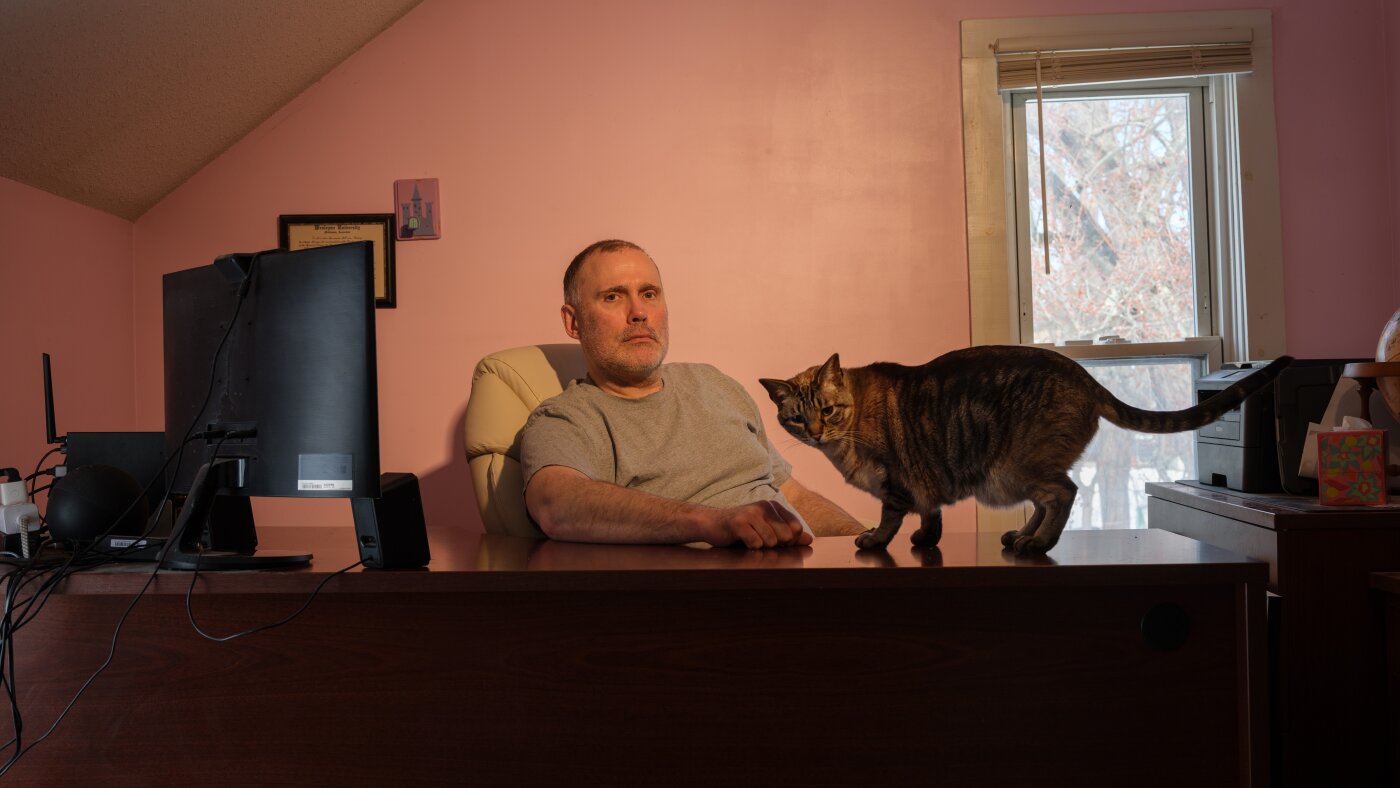
Ken Warner and Parveen Vohra, a couple in their mid-50s from Manchester, Connecticut, faced a tough year in 2025. With two surgeries—Warner’s hip replacement and Vohra’s eye surgery—they found themselves grappling with hefty expenses while balancing their self-employed careers. Warner writes sci-fi novels, and Vohra is a mental health counselor.
This year is proving challenging too. Their health insurance premium has surged to $2,531.07 per month, following the expiration of enhanced federal subsidies under the Affordable Care Act (ACA). To put that in perspective, that’s roughly the same as the average U.S. mortgage payment. “Who can afford that?” Warner questioned, reflecting the frustration many feel.
Congress briefly considered extending the subsidies, but those discussions went nowhere. Lawmakers are not currently pursuing any solutions, leaving millions in a bind, like Warner and Vohra.
In fact, the rising premiums have led to significant changes in their lifestyle. They’ve cut back on groceries, vacations, and even changed cell phone plans. A recent KFF survey found that over half of enrollees are adjusting their spending to accommodate these rising costs. Many are taking on extra jobs or even increasing credit card debt to keep up with healthcare expenses.
“When we ask people why they’re leaving the marketplace or downgrading their plans, cost is the common answer,” noted Ashley Kirzinger, KFF’s survey director. It’s a sentiment echoed widely, as the number of people enrolled in ACA plans has already dropped by over a million for 2026.
The pressure weighs heavily on Warner and Vohra, as they contemplate future medical needs. With potential surgeries looming, they are faced with the grim choice of tapping their retirement savings, money they had intended for their later years. “It feels criminal,” Warner said. “We’re being robbed by a system that’s broken.”
As these financial burdens rise, the couple continues to seek solutions. They’re crowdfunding for a special edition of one of Warner’s books and exploring job options that include health benefits. Despite their efforts, uncertainty hangs over them, with whispers of more premium increases in the future. “Next year, we expect another 10% to 20% hike,” Warner warned, signaling a common fear shared by many—financial instability in a challenging healthcare landscape.
