
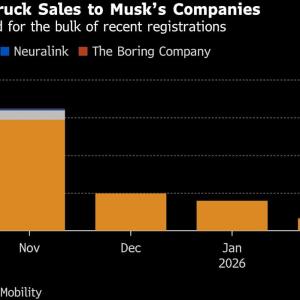
Sales for Tesla’s Cybertruck have shown a curious trend recently. A large chunk of its registrations comes from other companies owned by Elon Musk, hinting that the truck is struggling to win over average consumers.
In the last quarter, SpaceX alone accounted for over 1,270 of the 7,000 Cybertrucks registered in the U.S. That’s about 18%. The purchases from Musk’s other ventures like xAI and Neuralink added more to this number. If these sales hadn’t happened, there would have been a staggering 51% drop in Cybertruck registrations. It seems that Tesla is facing a tough time finding buyers just two years after launching this electric pickup.
Sam Fiorani from AutoForecast Solutions stated, “Tesla is running out of buyers for the Cybertruck.” This comes as Tesla faces declining sales, marking its potential third straight year of losses. The company has lost its crown as the top electric vehicle seller, with China’s BYD now leading the pack.
Meanwhile, many investors have often ignored the plummeting sales. They are more focused on Tesla’s ambitious plans for future technologies like robotaxis and humanoid robots. However, these long-term goals are far from being realized. Since its peak in December, Tesla’s stock has plummeted by about 20%.
The Cybertruck was met with enthusiastic anticipation when it was revealed in late 2023. Tesla aimed to attract buyers in the attractive U.S. pickup market, traditionally dominated by brands like Ford and General Motors. Musk had envisioned producing 250,000 Cybertrucks each year by 2025, labeling it Tesla’s best creation.
Yet, initial responses revealed some challenges. The Cybertruck’s unique design turned heads but also sparked criticism. Furthermore, many found it higher in price than what was initially promised. Early models exceeded $100,000, drastically higher than the anticipated starting price of under $40,000.
Interestingly, this unusual strategy of selling vehicles among Musk’s businesses raises questions. What’s SpaceX, xAI, or Neuralink doing with so many Cybertrucks? Some images circulating online show rows of these trucks unused on SpaceX property. Reports suggest that SpaceX is replacing gas-powered vehicles with Cybertrucks, with ongoing mentions that they might ultimately acquire around 2,000.
While Tesla hasn’t signaled any plans to stop making the Cybertruck, it is discontinuing the slower-selling Model X SUV and Model S sedan. In recent earnings calls, Musk hinted at selling more trucks to commercial customers, recognizing there’s a fleet market for urban cargo deliveries.
The challenges faced by Tesla are not unique to them; the electric pickup market is stagnating in the U.S. For example, Ford has opted to redesign its electric F-150 Lightning into a hybrid model. Despite the struggles, the Cybertruck remains the leading battery-powered truck in the U.S. market, even though its sales dropped by 45% recently.
Tesla’s interconnected ventures have historically engaged in mutual cooperation, such as using Tesla batteries for xAI’s projects and providing rides through Tesla in Boring tunnels. While it’s common for automakers to incentivize sales or lease vehicles to employees when demand falters, the volume shifted to Musk’s businesses is quite unusual.
In the words of automotive analyst Tom Libby, this tactic may help keep Tesla’s production running when consumer demand isn’t sufficient.
In summary, while the Cybertruck captured attention, it faces a significant challenge in gaining traction among everyday buyers. As manufacturers and markets evolve, how Tesla adapts to these changes will be crucial for its future.
For more insights into Tesla’s market position, check Bloomberg’s latest updates here.
Source link
SpaceX, Elon Musk, Cybertruck
