
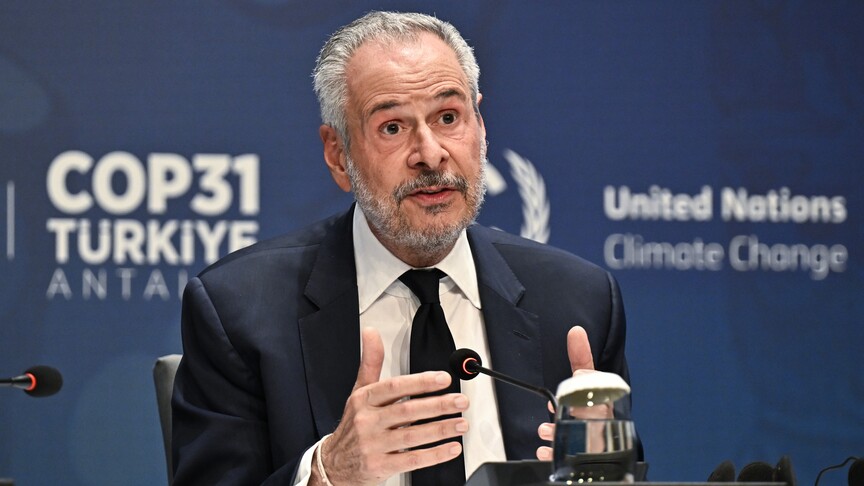
Climate change is no longer just a side topic; it’s central to global politics, energy discussions, and policies. Former COP30 President Andre Aranha Correa do Lago recently shared this insight at the Fifth Antalya Diplomacy Forum. He emphasizes that even conversations about conflicts in the Middle East now include climate factors.
Climate affects many areas of life—agriculture, justice, and more. According to Correa do Lago, while the word “climate” might not always come up, its influence is everywhere. He stressed the importance of COP’s role in negotiations. These talks must show real benefits to everyday people and the business world.
It’s also crucial to meet the expectations of civil society. Countries, whether developed or developing, need to feel like the outcomes are meaningful. Looking ahead to COP31, Correa do Lago noted the need for clearer promises to phase out fossil fuels. He mentioned that this topic was already addressed in Dubai, where there was a broad agreement on moving away from fossil fuels.
He also pointed out that future conferences must explore new areas. In Türkiye’s upcoming presidency at COP31, there will be a strong focus on how the country can engage in the climate agenda. Correa do Lago believes that this can significantly impact the economy, technology, and quality of life for the people.
A recent report from the Global Carbon Project highlights that global carbon emissions from fossil fuels reached an all-time high in 2022, underscoring the urgency of addressing climate change. This provides more context for the discussions happening at climate summits.
The path forward will require collaboration and commitment. It’s not just about what is agreed upon in rooms filled with diplomats; it’s about real-world effects on individuals and communities. Climate change isn’t just a future concern; it affects us today and will shape our tomorrow.
Source link
SiteKeywords
