
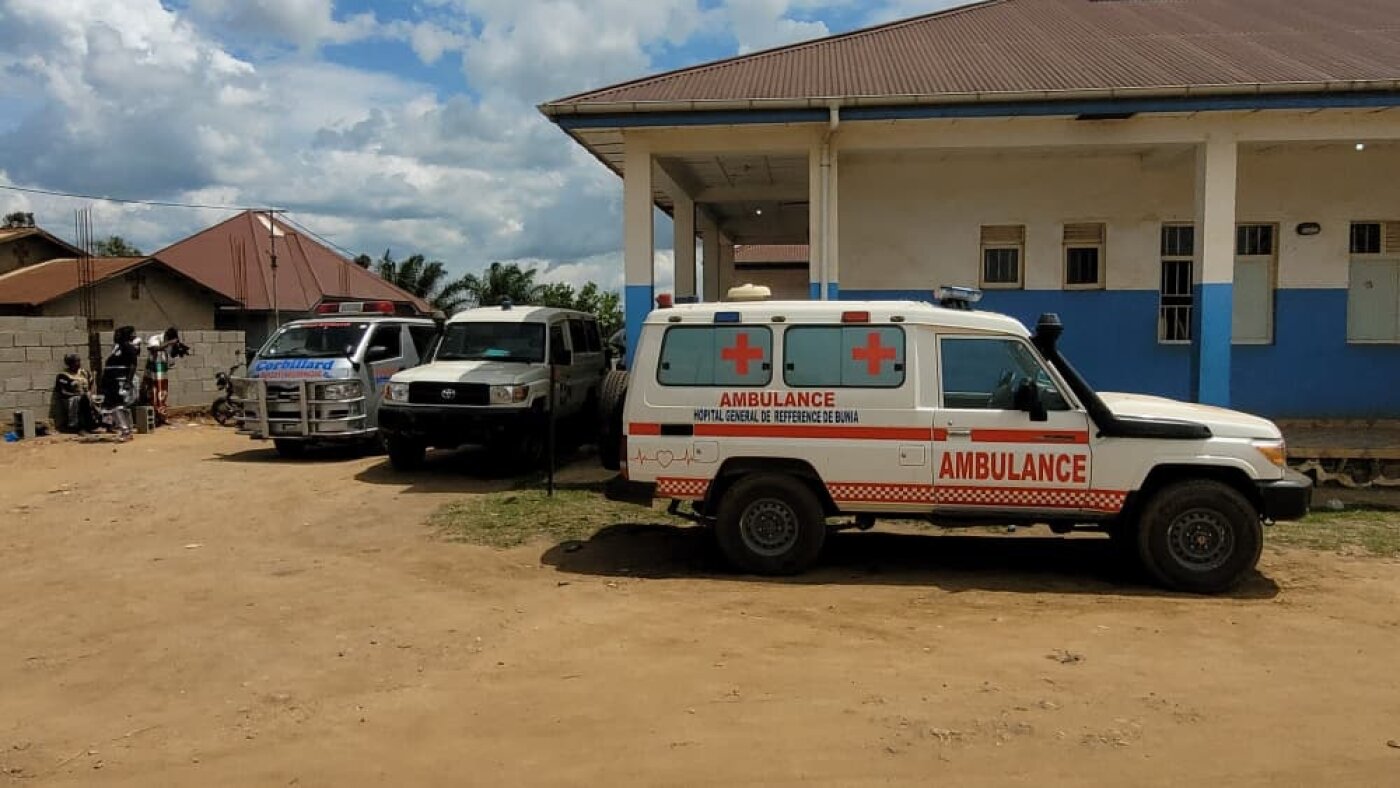
Recently, the World Health Organization (WHO) declared a new Ebola outbreak in the Democratic Republic of Congo (DRC) a public health emergency. This identification came as health officials reported a surge in suspected cases, including some that crossed into Uganda. Despite this, WHO Director-General Tedros Adhanom Ghebreyesus clarified that it does not qualify as a pandemic.
The outbreak kicked off in Ituri province, with health officials noting hundreds of suspected infections. Sadly, 87 people have died so far. Dr. Jean Kaseya from Africa CDC mentioned that the outbreak likely began in late April, indicating urgent need for response as cases continue to rise.
Ebola spreads through blood and body fluids, with symptoms like fever, pain, and, in severe cases, bleeding. It’s particularly concerning in areas like Mongwalu and Rwampara—two mining towns where many people travel for work. This mobility increases the risk of the virus spreading further.
On May 14, a 59-year-old man who traveled from the DRC was diagnosed in Kampala, Uganda. He utilized public transport and interacted with numerous people before succumbing to the virus in the hospital. His body was subsequently returned to the DRC for burial, which raises questions about how many others may have been exposed.
Health experts recommend that front-line medical workers wear full protective gear: masks, gloves, and goggles. However, Dr. Kaseya expressed concerns about the availability of personal protective equipment (PPE) in the region. Funds for obtaining adequate gear remain a pressing issue.
This outbreak involves a less common strain of the virus, named Bundibugyo. Because it is not as well understood as the Zaire strain, there’s no established vaccine yet. Nevertheless, researchers are working on an experimental vaccine that has shown some promise in animal testing, but human trials are still needed for further assessment.
Dr. Craig Spencer from Brown University, who has firsthand experience with Ebola, stated that the extent of this outbreak is alarming. He emphasized that identifying contacts and cases will be challenging since the outbreak has likely been spreading unnoticed.
For context, the 2014-2016 Ebola epidemic in West Africa was the largest in history. It affected 28,600 people and resulted in over 11,000 deaths. Learning from that experience, health organizations are calling for robust surveillance and immediate action. The African CDC is coordinating with international health groups to boost preparedness and response measures.
As this situation unfolds, communities and health professionals remain vigilant. Understanding the dynamics of Ebola and having proactive measures could be crucial in curbing the spread of this virus.
