
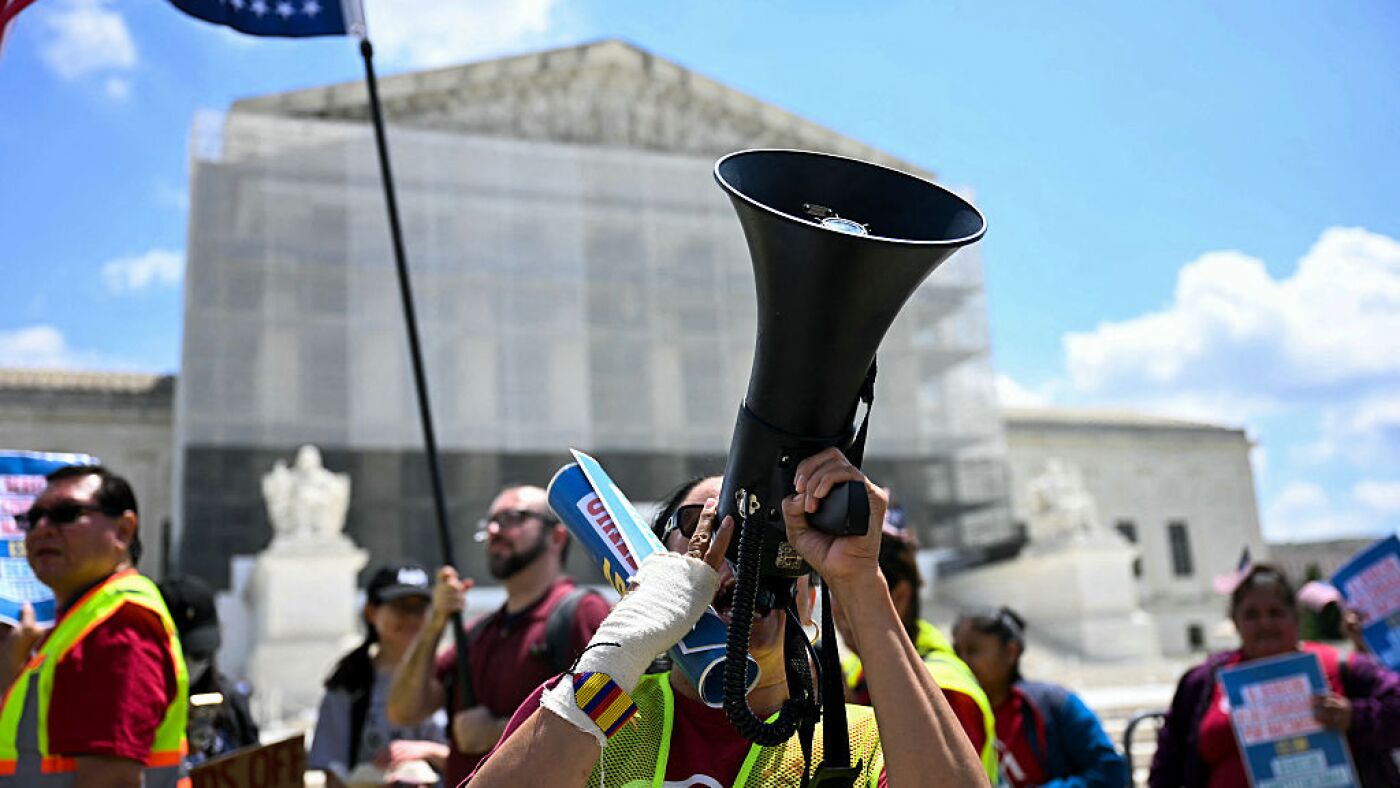
The Supreme Court is set to discuss a controversial topic: whether all children born in the U.S. should continue to automatically get citizenship. This debate stems from recent actions by the Trump administration to challenge birthright citizenship, a practice rooted in the country’s constitutional history.
Many Americans have mixed feelings about this issue. Most support citizenship for kids born to U.S. citizens or legal immigrants. However, opinions shift when it comes to children born to parents who entered the country illegally. Recent surveys show that Americans are divided on this nuanced matter.
Interestingly, only about 35 countries provide automatic birthright citizenship, primarily in the Americas. This practice, known as jus soli or “right of soil,” originated in colonial times and was designed to help manage growing populations. Many nations have since moved away from it, opting for jus sanguinis, or “right of blood,” which grants citizenship based on lineage.
In the U.S., birthright citizenship became law with the 14th Amendment in 1868. It aimed to protect the rights of newly freed slaves. Despite its constitutional backing, the Trump administration has questioned its relevance, citing potential misuse.
Public sentiment is complex. A December survey by the Public Religion Research Institute found that two-thirds of respondents supported granting citizenship regardless of parents’ status. However, support wavers when the focus is on parents who immigrated illegally. The Pew Research Center also noted that while most Americans back citizenship for children of legal immigrants, opinions are sharply divided along party lines regarding those with undocumented parents.
This division is apparent across different demographics. For instance, around 75% of Democrats support birthright citizenship for children of undocumented immigrants, while only about 25% of Republicans do. Among racial groups, 61% of Black Americans are in favor, compared to just 42% of white Americans.
Interactive factors, like age and news consumption, also influence opinions. Younger voters generally endorse birthright citizenship, while older generations are more skeptical. Those who rely on mainstream news show higher support compared to those who prefer right-leaning outlets.
Understanding these dynamics is crucial as the Supreme Court prepares to weigh in. The final decision could have a significant impact on policies related to citizenship and immigration for years to come. For further insights, you can refer to reports from the Pew Research Center and the Public Religion Research Institute, which delve into public attitudes on immigration and citizenship.
