
Here’s the latest on climate change and biodiversity loss in British Columbia and beyond. This week, we focus on how these issues impact us and the actions being taken to combat them.
Key Updates in Climate News
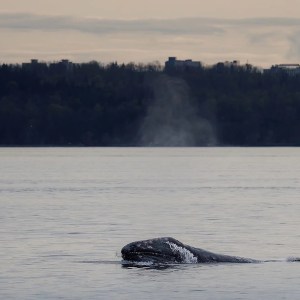
- Scientists have linked the ongoing deaths of grey whales in B.C. and the U.S. to climate change.
- Metro Vancouver is making plans for increased water storage and filtration to tackle climate risks.
- Affordable batteries are revolutionizing power grids internationally.
Human activities, like burning fossil fuels, are primarily responsible for climate change. The UN’s Intergovernmental Panel on Climate Change (IPCC) has long predicted that events like wildfires and severe weather would become more common. They warn that we must limit global warming to 1.5°C to avoid the most severe consequences.
NASA reports that human actions have raised atmospheric carbon dioxide levels by 50% in just under 200 years. As of early March, carbon dioxide was measured at 429.35 parts per million, a significant increase since 1960 when it was under 320 ppm.
The Current Climate Situation
As of 2023, the global temperature reached 1.48°C above pre-industrial levels, with forecasts suggesting it could breach the 1.5°C threshold in 2024. A recent report from the UNEP notes that even if countries meet their emissions targets, we could still see a rise of 2.3 to 2.5°C this century.
Recent Findings
- Five grey whales have been found dead off the coast of B.C., with experts indicating that many more could follow.
- Marine biologist Paul Cottrell from Fisheries and Oceans Canada noted that these emaciated whales show signs of food scarcity, worsened by climate change.
Wendy Szaniszlo, also from the DFO, emphasized that changing ice conditions and warmer waters are impacting whale prey availability, making it harder for the whales to find food.
Looking Ahead: Water Supply Plans in Metro Vancouver
Metro Vancouver is expanding its water supply strategy to meet future demands. They plan to increase the capacity of the Coquitlam Reservoir by deepening the intake, which could nearly double its storage from 150 billion to 250 billion liters.
However, warming temperatures can lead to poorer water quality. Increased turbidity from rising heat means that filtration systems must be put in place. The region also faces the threat of drought and wildfires, which could further contaminate water supplies. Plans for a new water intake and treatment plant, set to begin construction in the early 2030s, are already in motion.
Consumer Shifts: Rise in Electric Vehicle Interest
High gas prices are prompting many in B.C. to consider electric vehicles (EVs) again. Peter Heppner at Preston GM noted that for the first time, they sold more EVs than gas-powered cars in a month. With gas prices hovering around $2 per liter, interest in zero-emission vehicles is surging. Dealers across the province are reporting similar trends.
Preparing for Wildfires
A survey by Angus Reid for B.C. Hydro showed that 61% of residents lack an emergency plan for wildfires, and 56% do not have an emergency kit ready. This is concerning, especially with an El Niño event expected to bring hotter, drier conditions this year.
Global Energy Trends
On a broader scale, a surge in affordable battery installations is transforming global power grids. BloombergNEF indicates that major facilities are being set up, with costs dropping significantly—about 75% since 2018. In Vietnam, developers are replacing traditional gas projects with renewable options and storage due to rising fuel costs.
While the path ahead is fraught with challenges, communities are beginning to adapt and respond to the pressing realities of climate change.
For more detailed information, you can check the reports by the United Nations IPCC and the World Meteorological Organization.
Source link
Metro Vancouver, climate change, Vancouver, water supply, water quality, climate scientists, climate risks, water, Peter Heppner, ocean temperature, grey whale, B.C.
