

Churches have long been havens for those in need, but now many are taking a bold step. They’re not just feeding the hungry—they’re challenging the roots of Black food insecurity.
Historically, Black churches have fought against hunger. Before terms like “food insecurity” became common, these congregations were already caring for families struggling due to racial and economic barriers. Today, a new wave of leaders is asking an important question: What if instead of just responding to hunger, churches actively confronted the system that creates it?
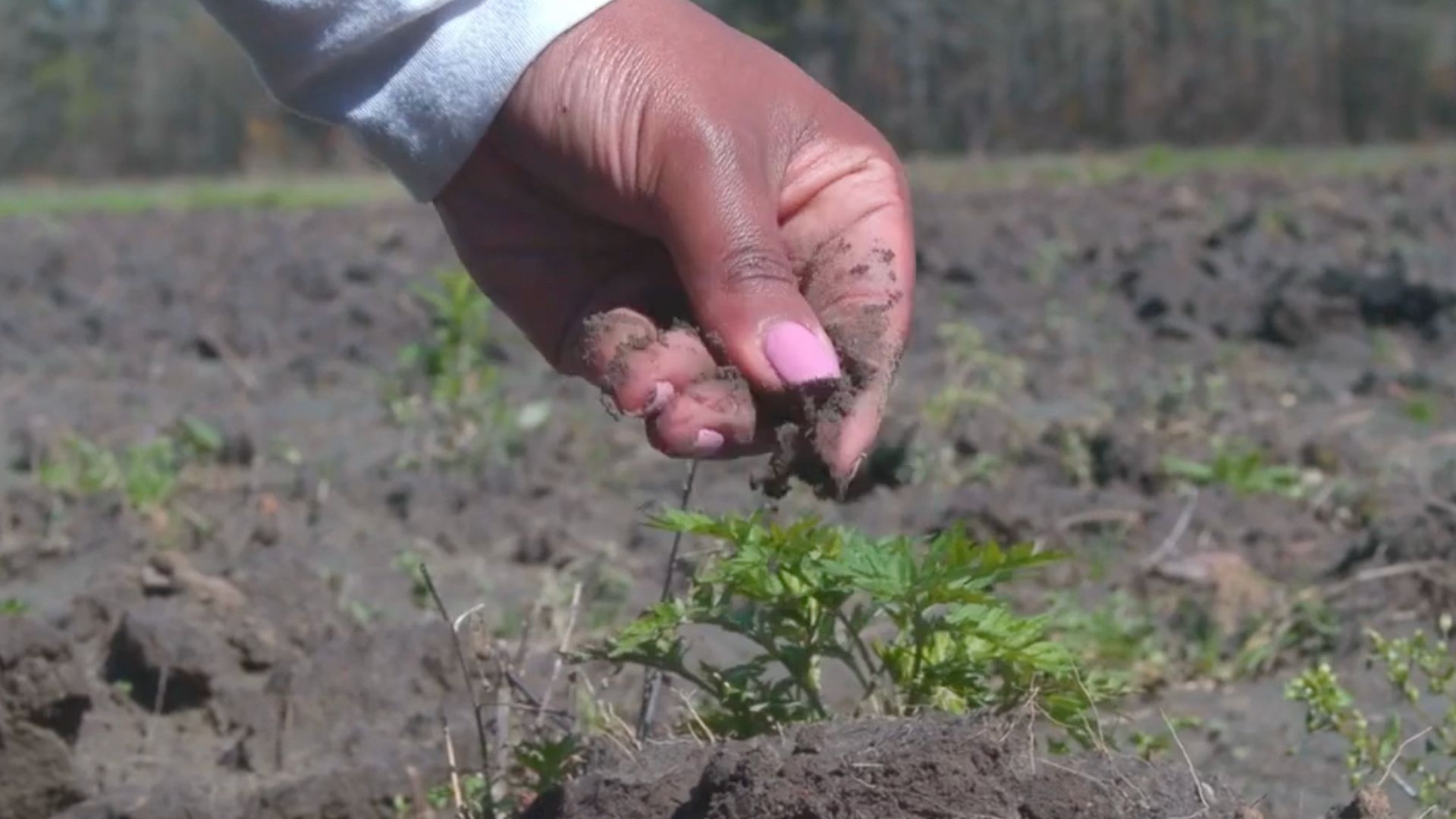
Across the nation, these churches are planting gardens, backing Black farmers, and framing food as a matter of justice and health. The Black Church Food Security Network, which formed after the 2015 Baltimore uprising, embodies this shift. Their mission goes beyond handing out meals; they aim to empower Black communities to control their food sources and challenge who profits from their labor.
The urgency for change is stark. A 2025 report from the Urban Institute revealed that over one in three Black adults face food insecurity, almost double that of White adults. For Black children, the situation is even worse, with nearly 23% living in poverty.
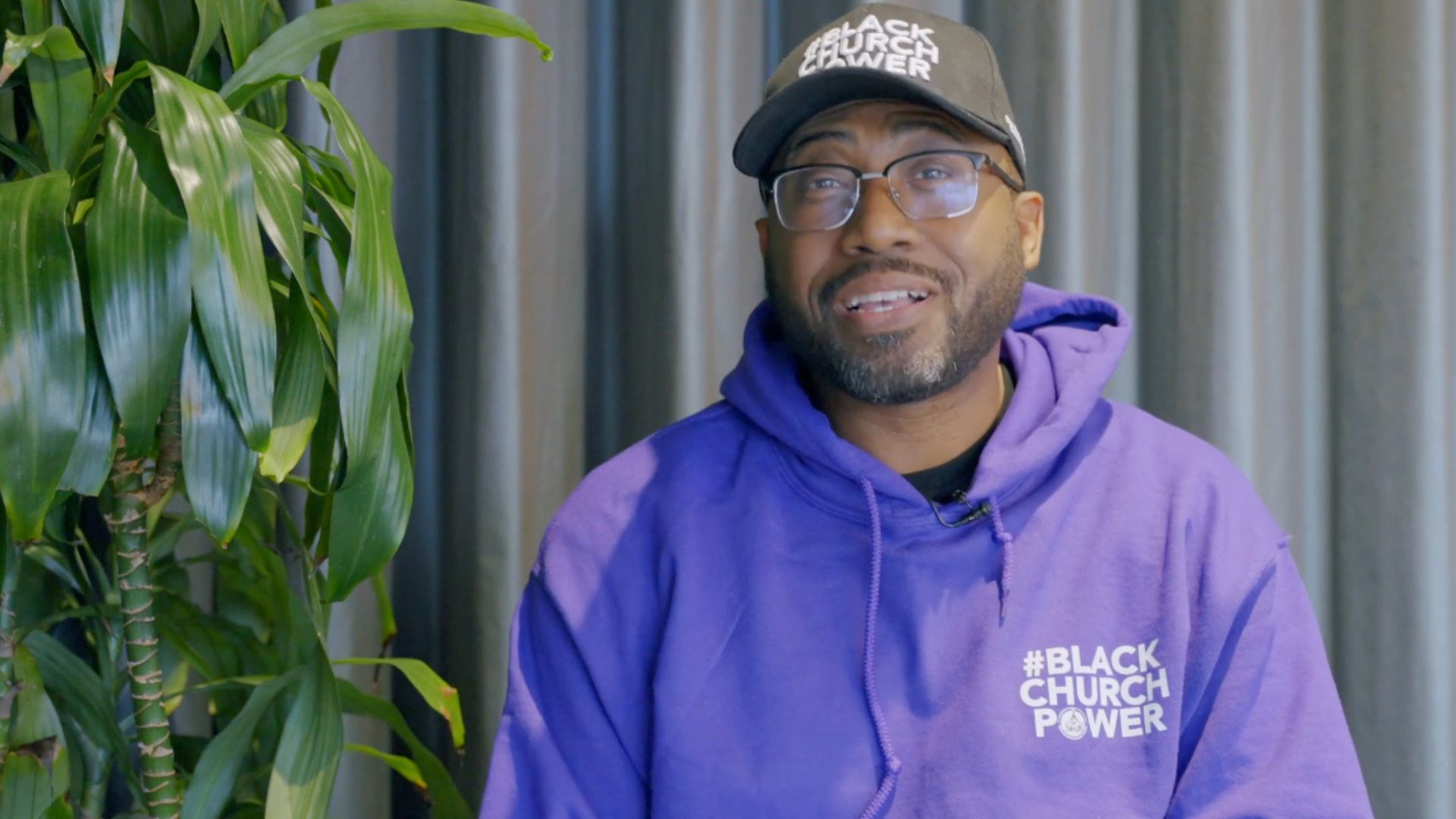
The drive for solutions is not just about providing food; it’s about understanding what healthy food means for hungry people, especially in Black neighborhoods. In Baltimore, the tragic death of Freddie Gray ignited a response, leading leaders like Rev. Heber Brown III to establish the Black Church Food Security Network as a sustainable solution after traditional services failed to meet community needs.
Rev. Brown noted that the crisis created a chance for churches to lead the way. “When public services withdrew, we had to fend for ourselves,” he explained. This idea mirrors key figures like Fannie Lou Hamer, who advocated for community-based food systems.
As churches transformed into community hubs, they began connecting with local farmers to build what Brown calls an “alternative food system.” Faced with neglect from government bodies, the community organized to meet their needs.
One success story is First Fruits Farm in Maryland, founded by Rick and Carol Bernstein. This farm, named to reflect a Biblical principle, donates all produce to those in need. Volunteers help with planting, harvesting, and distributing food. In a recent year, they provided over 1.1 million pounds of potatoes and other produce.
“It’s not about charity; it’s about following God’s call to grow food for those in need,” Bernstein said. This spirit of stewardship runs deep in the Black church, where caring for the community has always been a shared responsibility.
During the Civil Rights Movement, churches organized meals for protesters and families affected by backlash. This legacy continues today with community fridges, mobile pantries, and meal deliveries. Churches are adapting to modern needs while practicing a theology of care.
In neighborhoods with few grocery stores, congregations host weekly food giveaways and operate soup kitchens and senior meal deliveries. Many are also focused on teaching gardening and nutrition as part of their mission.
“It’s about being the church beyond the building,” Bernstein said. “Feeding people opens doors for ministry and builds community.”
As the movement grows, it reflects a critical understanding: addressing hunger is not just about filling plates—it’s about tearing down the systems that keep communities in need.
This article was originally published by Word In Black.
Source link
Baltimore,Black Americans,Black churches,Fannie Lou Hamer,Freddie Gray,Rev. Dorothy S. Boulware,Rev. Heber Brown III,Rick and Carol Bernstein,Urban Institute
