
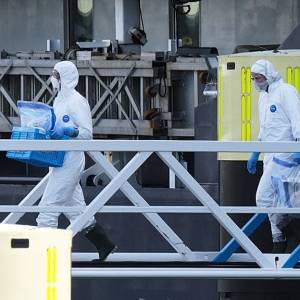
Fears of a new global health crisis have surfaced after the MV Hondius cruise ship experienced a hantavirus outbreak, resulting in three deaths and 11 cases reported by the World Health Organization (WHO) as of May 13. These cases have raised concerns, especially since more may emerge due to the close contact among passengers and the virus’s incubation period. Thankfully, the WHO has reassured that there’s no evidence of a widespread outbreak at this time.
What is hantavirus? It’s a family of viruses usually connected to rodents. Most strains don’t spread among people, but the Andes virus, responsible for the recent outbreak, is a notable exception. Transmission typically happens through direct contact, often when people disturb rodent habitats, releasing the virus into the air.
The Climate Connection
Recent studies link climate change to disease outbreaks, including hantaviruses. Climate factors can influence the populations of rodents that host these viruses. For instance, a 2022 study revealed that over half of human infectious diseases react to climate changes. Dr. Kris Murray from the London School of Hygiene & Tropical Medicine pointed out that fluctuations in rainfall can affect rodent breeding success, potentially increasing human exposure to hantavirus.
Habitat loss also plays a role. When humans disrupt natural environments, they can inadvertently spread pathogens. Hantavirus is often shed in rodent droppings, and when these areas are disturbed, the virus can become airborne, leading to infections.
Insights from History
Europe has dealt with hantavirus for decades, with the first outbreak documented in Sweden in 1934. Interestingly, a 2009 study indicated that rising temperatures in parts of West-Central Europe could lead to more frequent hantavirus outbreaks by increasing rodent populations.
While hantavirus infections in Europe are generally mild, warmer winters have affected local vole populations, making the environment more favorable for hantavirus spread.
The Future Outlook
As climate projections indicate, certain European regions may become more hospitable to rodent species that carry hantaviruses. This could lead to longer transmission seasons and a shift in how these diseases affect communities.
Experts urge European policymakers to ramp up disease surveillance that incorporates ecological and climate data to better predict outbreaks. This proactive approach should include monitoring environmental factors like temperature and land use changes.
Moreover, there’s a growing recognition of the importance of restoring natural habitats. A 2021 study showed that restoring tropical forests could significantly reduce rodent populations and subsequently lower the risk of transmission to humans.
As Dr. Murray aptly noted, we need ongoing research to grasp the dynamics of emerging diseases. By enhancing our understanding, we can better prepare for future outbreaks and protect public health.
For a deeper dive into human infectious diseases related to climate change, you can check out relevant findings from the Nature journal or studies from the National Library of Medicine.
Source link
climate change, Kris Murray, infectious diseases, pandemic preparedness, human transmission, hantavirus, deadly hantavirus, Western Europe, Europe
