
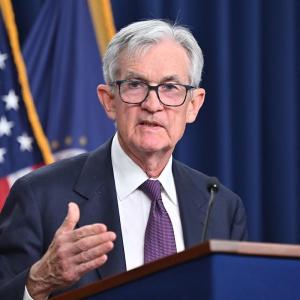
The Federal Reserve is facing a major shift as Jerome Powell’s term as chair ends on May 15. Powell, appointed by Donald Trump, has been at odds with the former president over interest rates. Trump has pushed for aggressive cuts, while Powell insists that economic data will dictate decisions.
Kevin Warsh, nominated by Trump to succeed Powell, has experience on the Fed’s Board of Governors. If confirmed, he could bring new approaches to monetary policy. Warsh has expressed concern about the Fed’s growing balance sheet, which swelled from $800 billion in 2006 to nearly $9 trillion by 2022. This expansion, he argues, could be impacting inflation and economic stability.
During his Senate confirmation hearing, Warsh was asked by Senator Raphael Warnock about inflation’s effect on families. He responded that reforming the Fed’s policies could strengthen the economy. His focus on reducing the balance sheet might increase interest rates, affecting borrowing costs and stock markets. Investors are concerned about how these adjustments will impact the Dow Jones, S&P 500, and Nasdaq Composite.
Recent data shows that rising yields can make borrowing more expensive. This poses a challenge for companies relying on low rates to fund expansion, especially in tech sectors like artificial intelligence. Markets could react strongly to Warsh’s potential policies, shifting the current landscape.
Experts stress that any major monetary changes could lead to heightened market volatility. For investors, it may be wise to reconsider stock purchases in light of these developments. Investing in stocks outside the S&P 500 Index could offer better opportunities. Historical trends indicate that careful stock selection can lead to significant returns, evidenced by past recommendations from investment experts.
As Warsh prepares to take the reins, all eyes are on how his vision for the Fed might reshape the economy—and how the markets will respond.
Source link
Kevin Warsh, Jerome Powell, Federal Reserve, Senate Banking Committee, President Donald Trump, Nasdaq Composite, interest rates, balance sheet
