
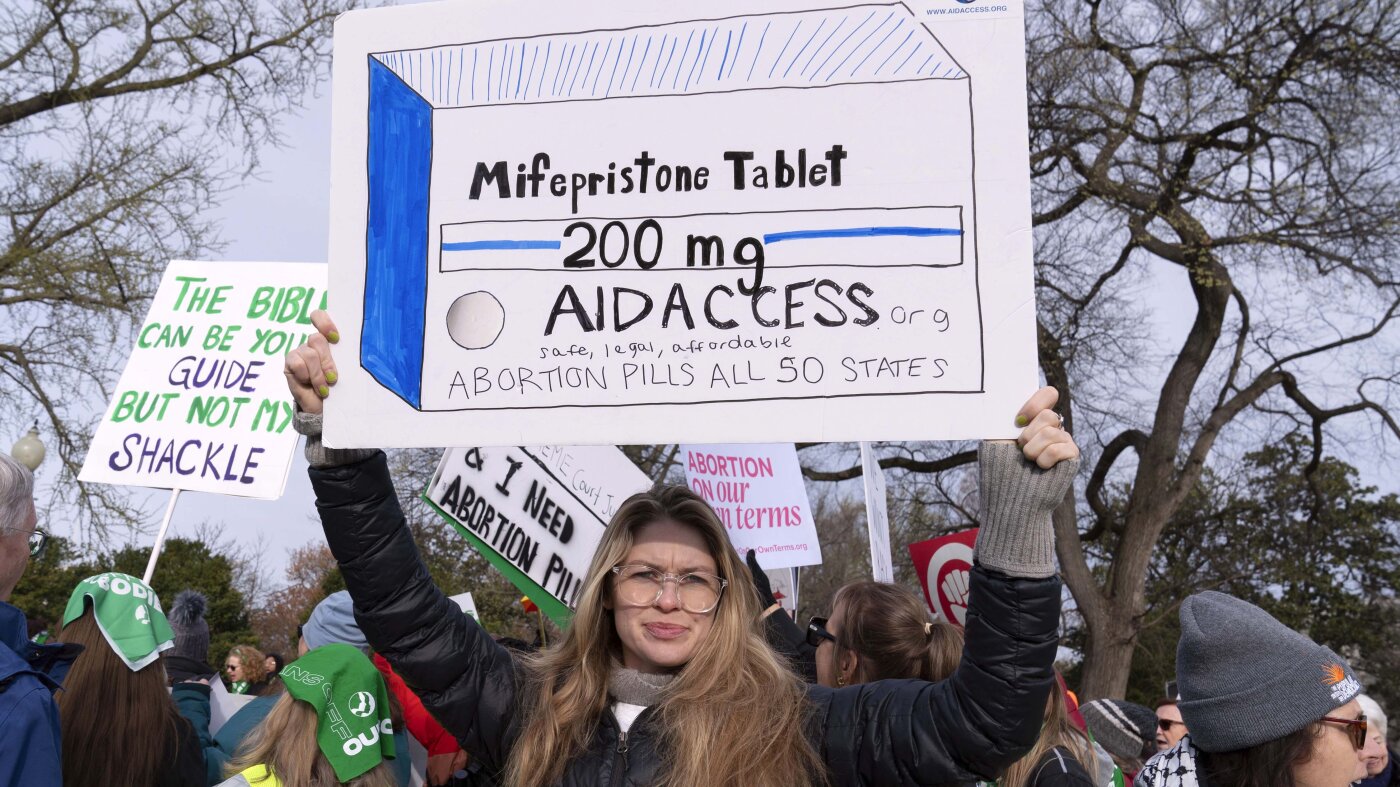
The recent Supreme Court ruling keeps medication abortions accessible, a critical choice for many women in the U.S. On March 2024, the court ruled that the abortion pill, mifepristone, will continue to be available, even as a case from Louisiana against the Food and Drug Administration (FDA) moves through the lower courts. This decision prevents a restriction that could have banned mailing mifepristone nationwide.
Justices Samuel Alito and Clarence Thomas opposed the ruling, arguing against what they believe to be an undermining of states’ rights to regulate abortions. Alito specifically criticized the court’s order as lacking rationale.
Understanding Medication Abortion
Medication abortion typically involves two drugs: mifepristone and misoprostol. Patients consult with healthcare providers online or over the phone. If eligible, they can receive prescriptions for these medicines, which can then be picked up at pharmacies or delivered to their homes. This method of abortion has become increasingly popular, especially since the Supreme Court’s 2022 decision to overturn Roe v. Wade. Interestingly, research shows the number of abortions has actually risen since that ruling, with around a quarter taking place through telehealth.
After the May ruling by the 5th Circuit Court that aimed to restrict mifepristone, some healthcare providers adapted by offering a protocol using higher doses of misoprostol alone. This alternative is considered safe, though it may lead to more side effects.
What Experts Are Saying
A notable aspect of this case is the mixed support from state leaders. Nearly two dozen Democratic-led states filed an amicus brief supporting continued access to abortion medication, emphasizing the importance of states’ rights in deciding healthcare access. Conversely, several Republican-led states supported Louisiana’s challenge.
Mary Ziegler, a law professor at UC Davis, commented on the administration’s reluctance to act decisively on abortion policy. She noted that the FDA has been relatively quiet throughout this legal battle, raising questions about its role and authority.
The drug industry’s trade association, PhRMA, has also weighed in, urging the Supreme Court to respect the FDA’s established processes for drug approval. Many former FDA leaders have voiced similar concerns.
What’s Next?
The current legal framework for medication abortion is dynamic. As telehealth options grow, public opinion appears to evolve alongside legal rulings. Social media is buzzing with discussions about this topic, with an increasing number of users advocating for reproductive rights. This reflects broader trends in American society, where attitudes toward abortion and healthcare access are shifting.
Recent surveys indicate that support for abortion rights remains high among younger demographics. According to a 2023 report by the Pew Research Center, 61% of Americans believe abortion should be legal in most or all cases.
These insights suggest that the ongoing legal battles over abortion rights are far from over and that public and political attitudes could continue to change dramatically in the coming years. The conversation about access to healthcare, particularly reproductive health, is critical and shows no signs of slowing down.
To read more about the impact and legal implications of medication abortion, visit the Supreme Court’s official documents.
