
The Trump administration recently rolled out a bold plan to transfer key responsibilities of the U.S. Department of Education to other federal agencies. This shift aims to streamline operations, but it has raised eyebrows about legality and effectiveness.
For context, the Department of Education was established by Congress in 1979 to manage educational programs. The administration’s plan involves delegating important tasks to various departments without Congressional approval. Critics argue that this move undermines the original intent of the educational mandates put forth by lawmakers.
According to sources familiar with the plan, the administration forged new agreements with six federal agencies. This includes transferring the Office of Elementary and Secondary Education’s duties to the Department of Labor, which has sparked concern about the impact on critical programs like Title I, designed to aid low-income students.
Similarly, the U.S. Department of the Interior will take over responsibilities from the Office of Indian Education, and international education initiatives will be reassigned to the Department of State. Changes are also coming for the Child Care Access Means Parents in School (CCAMPIS) program, which supports low-income parents in college. That program will now fall under the U.S. Department of Health and Human Services.
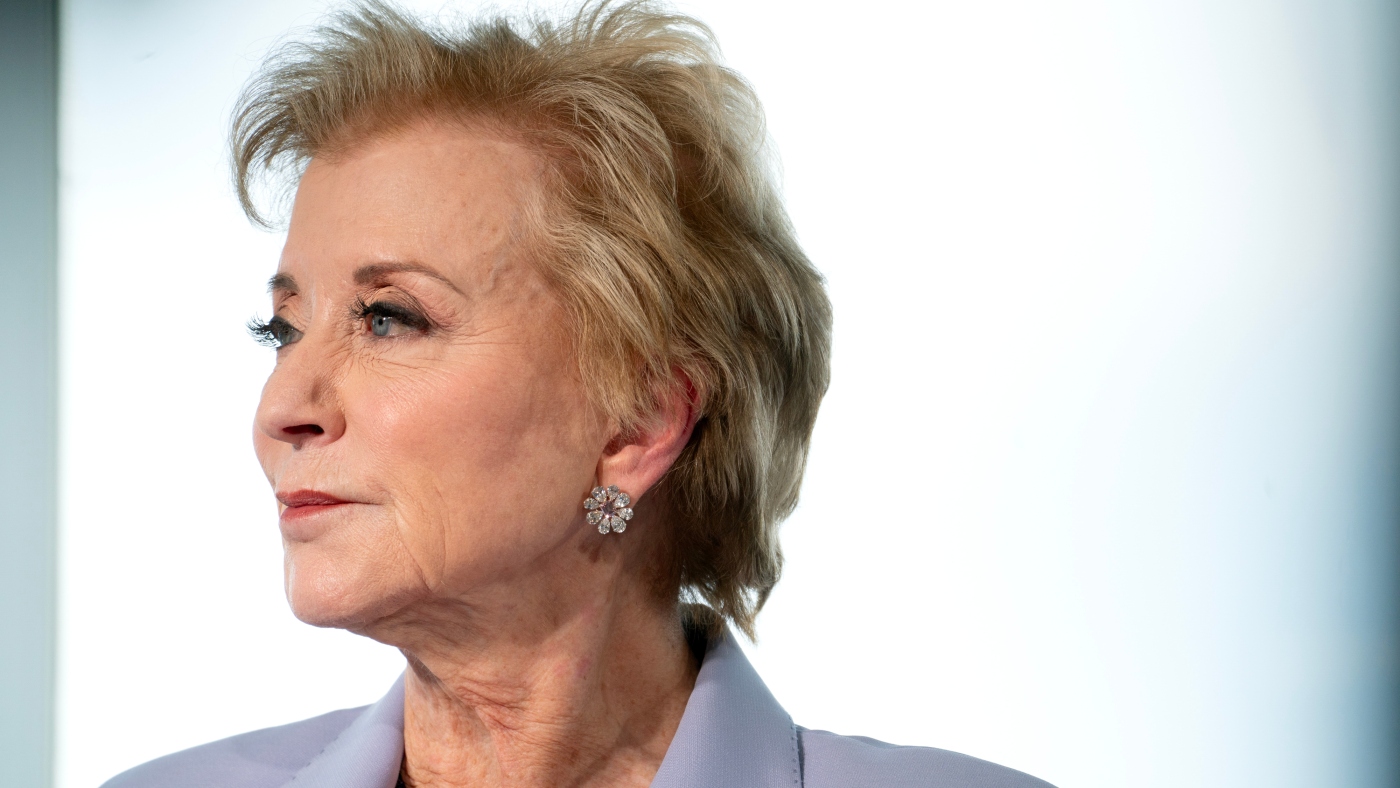
In her recent op-ed, Education Secretary Linda McMahon defended this plan, claiming it would “peel back the layers of federal bureaucracy.” She argues that partnering with agencies better suited for specific roles will improve service delivery. However, critics, including U.S. Senator Patty Murray, emphasize that the quality of support for students might suffer as programs move to agencies lacking the relevant expertise.
A recent survey by the Pew Research Center found that a significant portion of Americans remain skeptical about government efficiency, especially in handling crucial sectors like education. This skepticism could fuel resistance against the administration’s decisions.
Historically, efforts to alter the Department of Education have seen pushback. Notably, the 1990s saw debates over school choice and voucher programs, which were met with strong opposition from many educators and parents concerned about their implications.
The legality of these recent changes is still up in the air. Experts suggest that the administration might face legal challenges as opponents question the authority to shift functions originally granted by Congress.
In summary, while the Trump administration’s plan seeks efficiency in educational governance, it may risk destabilizing crucial support systems for students. As the landscape of educational management shifts, the ramifications for students and families remain to be seen.
For reference on the Department’s creation, you can check the official documentation from the government here.
