
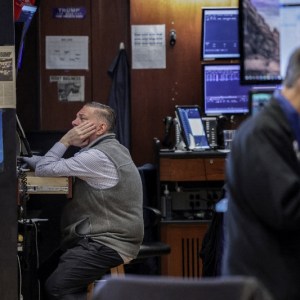
Wall Street faced a downturn as the 10-year Treasury yield hit its highest point in over a year, raising concerns about inflation. Investors reacted to recent data, leading to the S&P 500 and Nasdaq declining for the third consecutive day. This drop came after a notable rally starting in late March.
Oil prices remain high, hovering just above $110 a barrel. Traders are particularly focused on the situation in the Middle East, as tensions threaten the Strait of Hormuz, a key oil shipping route. Recent statements from U.S. officials hint at ongoing negotiations with Iran, which could impact energy prices.
Inflation expectations are climbing, causing the 10-year Treasury yield to rise to around 4.65%. Ben Sullivan, an investment expert at AE Wealth Management, emphasized that inflation is the main concern. He stated, “Investors are beginning to realize that high inflation might stick around longer than initially thought.” This shift is prompting a natural pullback in the stock market.
Investors are also bracing for potential interest rate hikes from the Federal Reserve, with estimates for a 25-basis-point increase by December now at 40%. A report from CME Group’s FedWatch tool has indicated that expectations for rate hikes are growing. With the Fed’s latest meeting minutes due soon, traders are eager for hints about future monetary policies.
By midday, the Dow Jones Industrial Average had dropped slightly, while sectors like communications and consumer discretionary weighed down overall performance. Interestingly, healthcare stocks bucked the trend and showed gains.
In the tech space, software stocks initially rose but then fell, while the semiconductor sector saw a bit of a recovery. Eyes are now on Nvidia, the leading AI chipmaker, as investors look for solid evidence of AI-driven demand.
Market reactions are significant: on the NYSE, declining stocks outnumbered advancing ones by a ratio of over 2 to 1. It’s a time of reflection and adjustment for many investors as they navigate uncertainties in the economic landscape.
This trend reflects a broader concern. According to a recent survey by CNBC, nearly 70% of investors expect inflation to stick around longer than they previously anticipated. This sentiment indicates a growing awareness of the impact of inflation and rising interest rates on market stability.
For further insights, you can check the Federal Reserve’s official site for their latest updates and data. Keeping an eye on economic indicators will be essential for understanding the market’s next moves.
Source link
Iran, Nasdaq, Federal Reserve interest rate hikes, President Donald Trump, investors
