
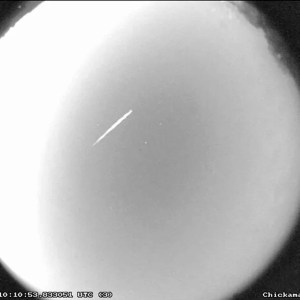
The Eta Aquarid meteor shower is almost here! This annual event, tied to Halley’s comet, will light up the sky as it peaks from Tuesday night into Wednesday morning. However, a bright moon might dim the excitement this year, making it tougher to see the meteors.
For those in the Southern Hemisphere, these meteors can put on a dazzling show, with up to 50 visible per hour during the peak. But in the Northern Hemisphere, viewers may catch fewer than 10. “It’s just not going to be that impressive here,” says Teri Gee, who manages the Barlow Planetarium in Wisconsin. The clearer your skies, the better your view!
So, what exactly causes these meteors? They appear when bits of space debris, leftovers from comets or asteroids, collide with our atmosphere, creating spectacular streaks of light. While a few meteors can be seen on any given night, meteor showers happen at specific times, offering a much more thrilling experience.
The Eta Aquarids come from Halley’s comet, one of the most famous comets, which swings by Earth every 76 years. Its next visit will be in 2061.
To catch the best glimpse, head outside just before dawn. Find a dark spot away from city lights, preferably somewhere that hides the bright, 84% full moon. Settle in with blankets or lawn chairs, and give your eyes time to adjust to the darkness. Look towards the east, near the constellation Aquarius and the bright star Eta Aquarii.
Astrophysicist Nico Adams advises, “Look for bright streaks that may dart across your field of vision for just a moment.” It’s all about that quick flash!
Experiencing this meteor shower firsthand can be magical. Teri says, “You will feel like you’re discovering it yourself.”
As a bonus insight, a recent survey showed that interest in stargazing has surged, particularly among younger audiences. Events like the Eta Aquarid meteor shower foster a sense of wonder and curiosity. This interest is crucial, especially as science advocates emphasize the importance of STEM education.
For more details on meteor showers, check out this NASA guide.
Source link
Halley's comet, meteor shower, waning gibbous moon, Teri Gee, bright moon, bright streaks, Southern Hemisphere, Northern Hemisphere, debris
