
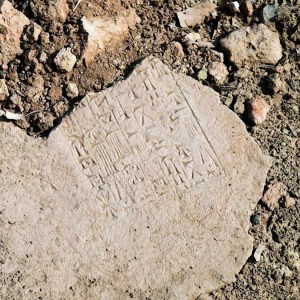
Researchers have made a fascinating discovery by deciphering ancient cuneiform tablets that were buried 4,000 years ago. These tablets, originally found over a century ago, were finally translated, revealing insights into how the Babylonians viewed their world.
The tablets contain omens linked to lunar eclipses, believed to be signs of impending disasters. One ominous prediction reads, “A king will die,” which surely wouldn’t sit well with a rulers subject to their fate. According to Andrew George, a respected Assyriologist involved in the research, ancient Babylonians relied heavily on divination to make sense of events around them. This desire to predict the future was central to their understanding, helping them navigate the uncertainties of leadership and governance.
In total, experts translated 73 omens from these tablets, found within a collection at the British Museum. Originally acquired in the 1890s, they lay largely ignored until a scholar recognized their importance in the 1970s. The tablets display Akkadian text, indicating they originate from Babylonia. As George noted, returning to these times helps provide a better understanding of their culture—especially since much of what we know about ancient Babylonians and Assyrians came from Greek texts or biblical sources.
Interestingly, George explained that historical omens, such as threats of famine, plague, or assassination, reflect the fears of Babylonian society. When forewarnings were deemed especially serious, rituals were performed to prevent these disasters from manifesting. This underscores how deeply interconnected their lives were with spiritual beliefs.
Today, over 150,000 cuneiform tablets have been collected, providing a window into ancient civilizations. As we study these languages and texts, we gain significant insights into what their daily lives might have looked like, from governance to religious practices.
Recent studies show that our understanding of these ancient texts has drastically evolved. In the last 150 years, we’ve shifted from knowing almost nothing about Babylonians to building a rich understanding of their civilization that includes social, economic, and literary history—all thanks to ongoing deciphering of their texts.
George concluded that this progressive understanding highlights the immense amount of knowledge we’ve amassed, pointing out that we are now able to piece together a vivid picture of life in ancient societies.
For further exploration into the significance of these tablets, you can read more on Biography.com.
Source link
Andrew George, cuneiform tablets, Mesopotamian civilizations, Journal of Cuneiform Studies, ancient Babylonia, Popular Mechanics, ancient tablet
