
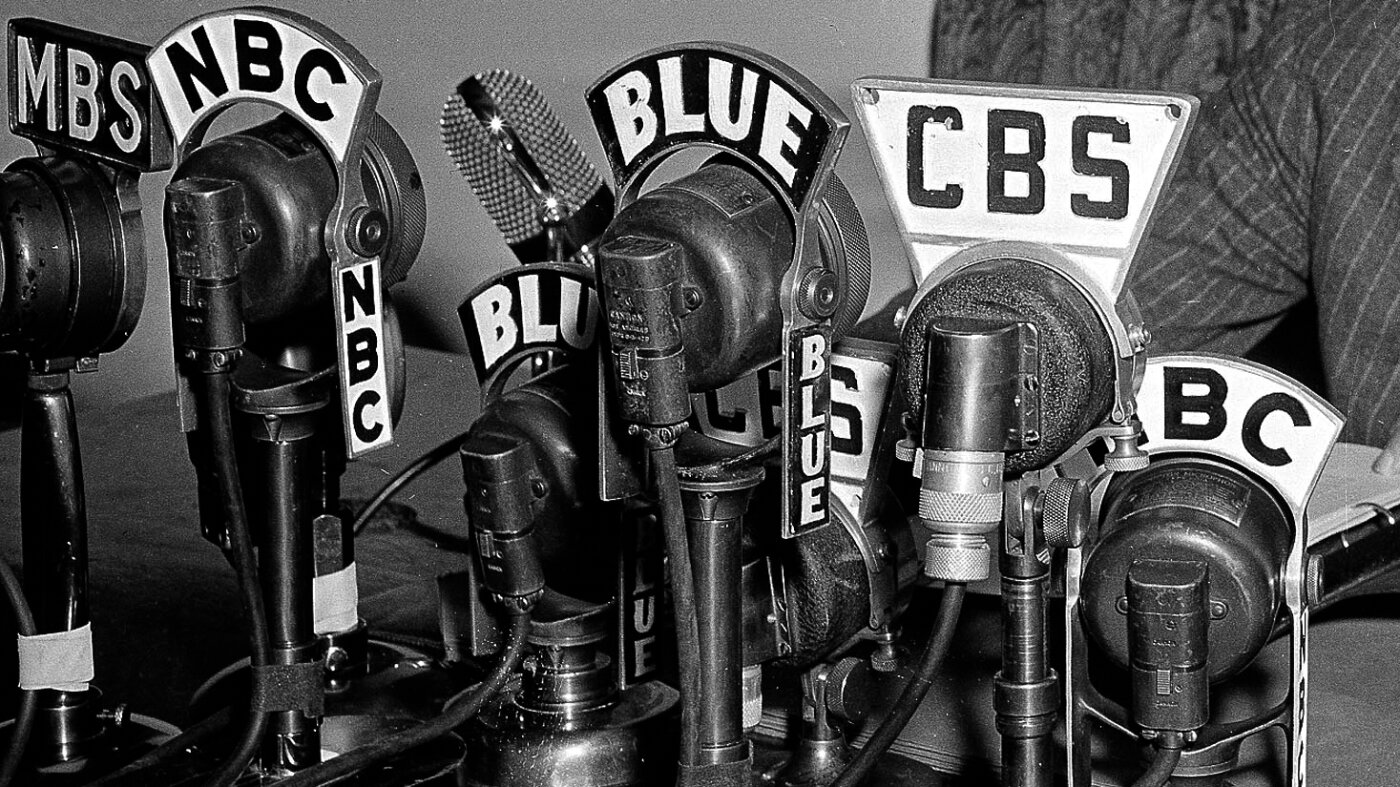
CBS News Radio, a staple of American broadcasting for nearly a century, is set to close its doors on May 22. This decision highlights the shift away from traditional radio as audiences gravitate toward digital content and podcasts. Dan Rather, a long-time CBS anchor, expressed his sorrow, stating, “It’s another piece of America that is gone.”
Launched in 1927, CBS News Radio was a launching pad for influential figures like Edward R. Murrow, who provided stirring reports during World War II. At its peak, the service catered to about 700 radio stations nationwide, renowned for its timely news updates.
The closure comes amid tough financial realities in broadcasting. CBS News’ editor, Bari Weiss, noted that they explored various strategies to keep the radio operation viable but ultimately could not find a sustainable way forward. The network recently cut jobs, trimming about 6% of its workforce. Employees are understandably anxious about job security as more changes loom under the umbrella of parent company Paramount Global, which aims to merge with Warner Bros. Discovery.
Historically, radio was a dominant news medium from the 1920s to the 1940s, informing Americans during critical events like the Great Depression and World War II. Notably, Murrow’s broadcasts about Nazi Germany had a profound impact, as did President Franklin D. Roosevelt’s “Fireside Chats.”
Radio has increasingly taken a backseat to television and online platforms, with more people opting for podcasts. Michael Harrison, a media expert, lamented this decline, stating, “This is another part of the landscape that has fallen off into the sea.”
Even as CBS News navigates these turbulent waters, it faces scrutiny over its editorial direction and strategic choices under Weiss’s leadership. Critics are watching closely to see how her approach reshapes the network’s future, especially given her controversial decisions regarding reporting content.
In closing this chapter, CBS News Radio reminds us of the rapid transformation in media consumption. The past may inform us, but the future is decidedly digital.
Source link
