
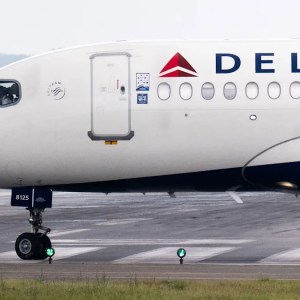
Delta Airlines is shaking things up, but it might not change your travel plans much. Starting May 19, they will stop serving food and drinks on flights shorter than 350 miles. This affects routes like Los Angeles to San Francisco. However, first-class passengers will still enjoy a full-service experience on every flight.
In a statement, Delta reassured customers, saying their crew will always be present and ready to assist, even on the flights without beverage service. Before this announcement, Delta had already cut snack and drink service on flights under 250 miles, meaning only a few routes had limited options. In fact, only 9% of their flights will see this change, mostly affecting their “express” service, which already included just water and light snacks.
Delta isn’t alone in this trend. United Airlines provides free snacks and drinks on flights over 300 miles, while American Airlines does the same for those over 250 miles.
When the news broke, reactions on social media were mixed. Many users understood the logic behind the change, noting that short flights typically don’t require service. One user pointed out that a 350-mile flight is usually just over an hour in the air, making onboard snacks seem unnecessary. Another suggested that airports could provide snack boxes at boarding instead.
However, some voices questioned whether ticket prices would decrease now that refreshments won’t be served. One user asked, “Will ticket prices drop since we’re not getting food?” This reflects a growing public concern about airlines cutting services while maintaining the same or even higher fares.
Delta’s changes come just as Spirit Airlines announced its closure, pushing many travelers to consider other options. This shift in the airline industry isn’t isolated; it mirrors broader trends of reduced in-flight services.
Recent data from the International Air Transport Association indicates that passenger traffic is returning to pre-pandemic levels, but airlines are adjusting services to optimize costs. This might be a reaction to rising fuel prices, as seen with United’s new “market disruption fee” to manage increased operational costs.
Ultimately, as airlines navigate challenges, travelers will have to adapt, whether that means enjoying shorter flights with fewer services or reconsidering their choices in the skies.
Source link
food and beverage services, beverage service, Food and beverage service, Delta, full service, service
