
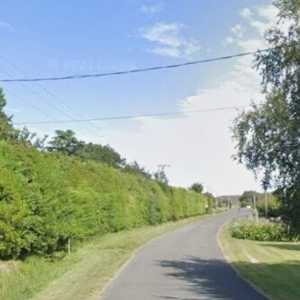
In Bay View, resident Robert Best is worried about rising property rates. The local council plans to change the classification of 1,583 properties, including his, from “rural residential” to “residential.” This change could lead to a hike in rates by up to 16%, which is much more than the previously expected 8.8% increase. Over the last three years, Best’s total rate increase would reach an eye-popping 47%.
Best feels the pressure of these costs, especially since he’s on a fixed income. He voices his concerns, saying, “It feels like you’re being pushed off the land.” He argues that since he doesn’t have access to city amenities like streetlights and footpaths, he shouldn’t have to pay as much as urban residents.
The council insists that this move aims to create fairer rates. While some homeowners will pay more than the average, others will pay less. For example, commercial property owners pay 2.6 times what residential property owners do. The council also notes that services like libraries and recreational facilities benefit all residents, whether they live in rural or urban areas.
This proposal to revise rates isn’t new. Back in 2021, the council began classifying properties as “rural residential” in response to feedback. They promised to review property valuations and rates, but many residents like Best feel neglected.
Rising Costs and Changing Classifications
A recent survey from the New Zealand Property Institute indicates that property owners nationwide are increasingly concerned about local government rates. Around 62% of homeowners believe that their property rates are rising faster than their income, similar to what Best is experiencing. This trend raises questions about the affordability of living in these areas.
The council has also introduced a new transportation rate design. This means that properties with higher capital value may see larger increases than those with lower values. Best worries that this will hit him particularly hard, as his home may face increased charges.
While Best wishes for cost-cutting measures at the council level, he recognizes that drastic changes are unlikely. “If I were the CEO, I would demand each department cut spending by 10%,” he says.
Interestingly, social media is buzzing with reactions to these proposed changes. Many users echo concerns similar to Best’s, sharing their own stories of financial strains due to rising rates.
The situation highlights ongoing debates about how municipalities manage property taxes and public resources. Historical comparisons show that property taxation systems have shifted over the decades, often in response to public feedback. The challenge remains for councils to balance budgets without driving residents away.
With more than 300 submissions on this matter, the council is emphasizing consideration before finalizing any decisions. As issues like property classification loom large, residents like Best continue voicing their hopes for more affordable rates.
For more information about property rates and classifications in your area, check the New Zealand Property Institute.
Source link
napier,wants,to,get,rid,of,rural,residential,rates,leaving,lifestyle,block,owner,facing,big,increases,view,says,feels,being,forced,from,land,another,proposal,city,council,increase
