
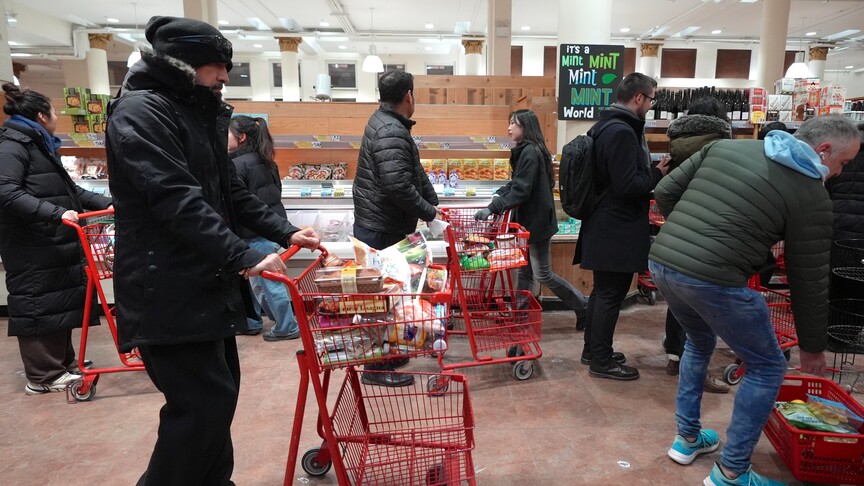
The number of people getting food assistance in the U.S. is dropping quickly. Over 3 million people have lost access to aid due to new rules from the Trump administration that make it harder to qualify. According to a report from The Wall Street Journal, these changes are reflected in recent federal data.
The Supplemental Nutrition Assistance Program (SNAP) saw a decline of nearly 3.5 million participants since stricter criteria kicked in last July. Now, adults aged 18 to 64 who can work but don’t have children under 14 must either work, volunteer, or join job-training programs for at least 80 hours a month. Previously, the work requirement was for adults up to age 54, with exemptions for parents with kids under 18.
Additionally, while undocumented immigrants have never been able to access SNAP, the new regulations now also exclude certain legal non-citizens. This change has raised concerns among community leaders and advocates, as it impacts vulnerable populations who were previously eligible.
In the last fiscal year, an average of 42.1 million people received SNAP benefits, costing $101.7 billion. Enrollment began to decline in July, shortly after the major legislation that tightened eligibility was enacted. By January, SNAP participation had fallen to 38.5 million, showing a decline of over 8% in just six months.
This trend raises questions about food security across the nation. According to a recent survey by the Food Research & Action Center, nearly 14% of U.S. households are food insecure. The drop in SNAP enrollment could worsen this situation, making it harder for families to access nutritious food.
Experts emphasize the importance of food assistance programs. “SNAP plays a critical role in combating hunger,” says Dr. Sarah McCoy, an economist specializing in food policy. “Reducing the number of people eligible only puts more strain on families already struggling.”
Maintaining food access is essential for community health and well-being. As these policies evolve, observing their long-term impact will be crucial for public health and economic stability in the U.S. For further data on SNAP and its effects, you can refer to the USDA’s official SNAP website.
Source link
SiteKeywords
