
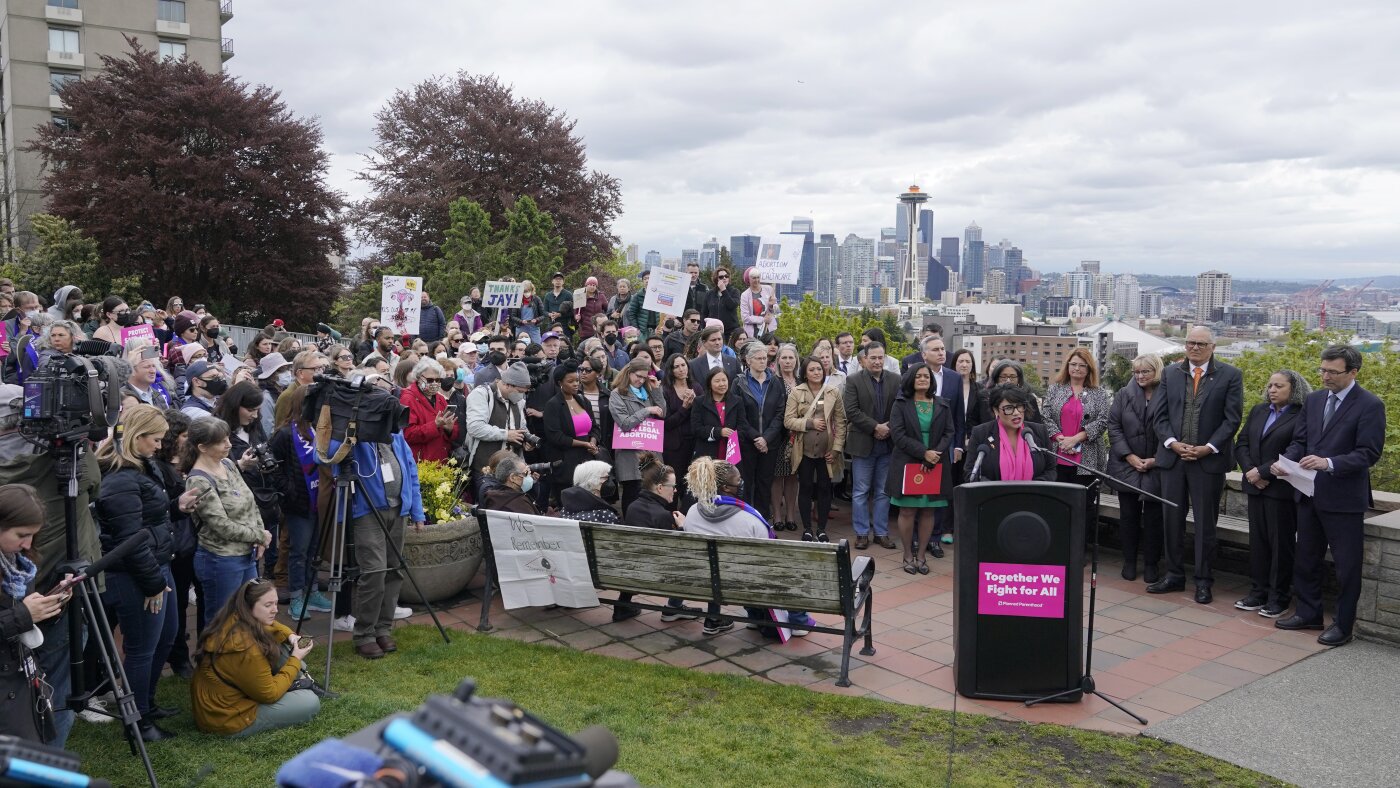
Recent news about abortion restrictions has sparked interest among many Americans. Many are choosing to stock up on abortion medications, even if they aren’t currently pregnant. A new initiative called “Just In Case Abortion Pills” is being offered by a Planned Parenthood affiliate. This program allows individuals to obtain abortion pills in advance, giving them access to mifepristone and misoprostol for potential future use.
According to Rebecca Gibron, the CEO of Planned Parenthood Great Northwest, Hawai’i, Alaska, Indiana, and Kentucky, this is a timely intervention. “With supportive policy environments in Washington and Hawai’i, now is the right moment to provide this service,” she explains.
This approach echoes a broader trend seen in telehealth, where individuals can get prescriptions for abortion medications in advance. Elisa Wells, co-founder of Plan C, emphasizes the significance of having trusted organizations like Planned Parenthood involved. “For many, the ability to receive medication in advance is a new concept,” she says. Given the geographical challenges in places like Hawaii and Washington, having these medications readily available can be crucial.
The safety and legality of these medications are well-established. In fact, patients in 49 states can legally hold abortion medications in advance, except for Louisiana, which recently classified them as controlled substances.
While other telehealth providers have offered similar services, this program stands out because it allows in-person access at 16 Planned Parenthood locations. Dr. Colleen McNicholas, the chief of medical affairs at Planned Parenthood, reassures patients that they’re not just a one-time resource. “We will be there for you throughout the process,” she states, ready to answer questions and provide support even long after the pills are acquired.
Public reaction to these programs is mixed. For many individuals like Whit, a 29-year-old from Chicago, the initiative has been eye-opening. After learning about the option to obtain abortion pills for future use during the 2022 Roe v. Wade discussions, she ordered the medication through AidAccess, a supportive organization. “It was comforting to know I had options,” she recalls, especially when she ended up needing those pills later.
However, not everyone embraces the idea of storing medication. Critics, including Republican Senator Cindy Hyde-Smith of Mississippi, have termed this practice as “stockpiling.” In a recent hearing, she expressed concern over the lack of oversight in obtaining what she referred to as life-ending medications. Yet, experts like Anna Fiastro, a research scientist at the University of Washington, argue that these medications are safe and should be easily accessible. “Self-management with these medications can be very effective,” she notes.
The phenomenon of acquiring abortion medications ahead of potential legal changes is growing, particularly among those in states where access is limited. Companies like Plan C have seen increased interest, especially in light of ongoing legal challenges against the availability of mifepristone.
In Washington and Hawaii, the costs for obtaining these medications can vary. Patients can access them for as little as $100, provided they are already in for another appointment. Elisa Wells predicts that this trend will continue, emphasizing the effectiveness and safety of abortion pills. “Abortion pills are everywhere, they’re safe, and they’re pretty much unstoppable,” she asserts.
As discussions around reproductive rights continue to evolve, this initiative serves as both a response to current events and a potential model for future healthcare accessibility.
